Falls are one of the most common causes of guest injuries in hotels, yet many are preventable through smart design. Flooring choices, lighting plans, and layout decisions quietly shape how safely people move through a space.
Understanding these features helps guests recognise safer hotels and respond appropriately when accidents happen.
Slip-Resistant Flooring
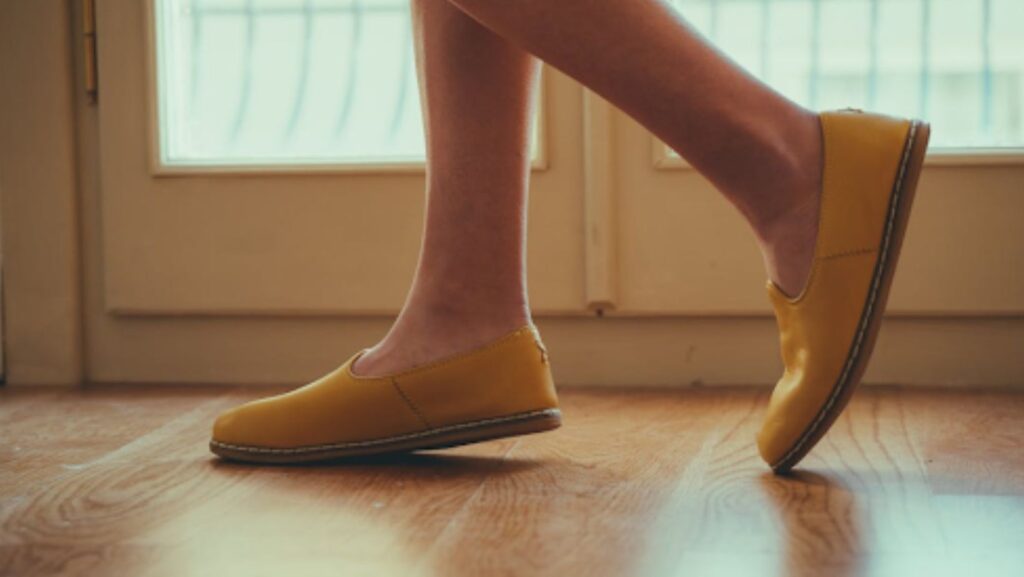
Slip-resistant flooring is one of the most important hotel design features that prevents falls. Textured tiles, treated stone, and high-grip vinyl are widely used in entrances, bathrooms, and pool areas where water is common.
According to research by Hotel Designs, hospitality flooring can improve traction without sacrificing style. Better grip directly reduces the risk of sudden slips when guests enter with wet footwear.
Lighting Design That Improves Depth and Visibility
Lighting helps guests judge distance, surface changes, and obstacles. Even and glare-free lighting in corridors, stairwells, and car parks removes shadows that can hide hazards.
A study referenced on ScienceDirect shows that integrated stair lighting improves perceived safety. Clear visibility supports natural movement and reduces missteps caused by poor depth perception.
Staircases Designed for Predictable Movement
Safe staircases rely on consistent step height and depth from top to bottom. Visual contrast on step edges also helps guests identify each step more easily.
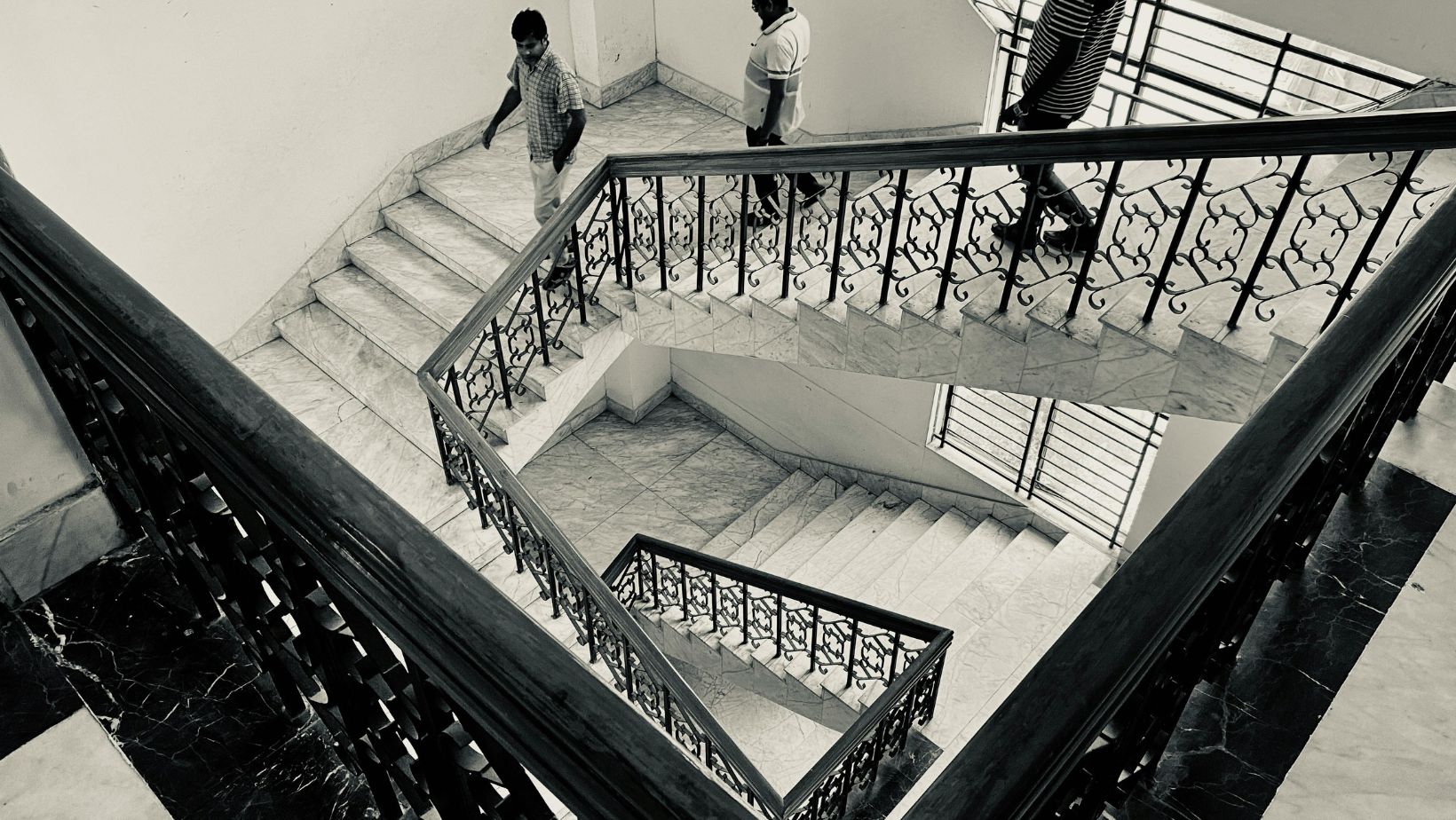
Stair nosings and tactile indicators improve awareness. Predictable stair design supports muscle memory and reduces unexpected trips.
Handrails Positioned for Natural Support
Handrails provide balance support on stairs, ramps, and long corridors. Rounded rails placed at the correct height encourage natural use without drawing attention.
Well-installed handrails reduce fall severity. A secure handhold often prevents a brief loss of balance from becoming a serious injury.
Bathroom Layouts Designed to Minimise Slips
Bathrooms are among the highest-risk areas in hotels. Walk-in showers, slip-resistant mats, and properly placed grab bars reduce sudden foot movement on wet surfaces.
Clear spacing around fixtures matters. Easier movement reduces awkward twisting that can lead to loss of balance.
Clear Walkways and Thoughtful Furniture Placement
Uncluttered walkways help guests focus on where they are walking. Furniture, décor, and signage should never intrude into natural walking paths.
Hotels that prioritise open layouts reduce unexpected obstacles. Clear routes are especially important for guests carrying luggage or navigating unfamiliar environments.
What to Do If You Experience a Fall on Hotel Premises
Even with strong hotel design features that prevent falls, accidents can still happen. Quick, practical action protects health and preserves important details.
After a fall, focus on the following steps:
- Seek medical attention as soon as possible
- Report the incident to hotel management in writing
- Photograph the area, footwear, and visible hazards
If unsafe conditions or poor maintenance contributed, speaking with a specialist local lawyer, such as a slip and fall accident attorney in Tulsa, can help clarify rights and next steps.
Staying Safe While Holding Hotels Accountable
Hotel design features that prevent falls work best when paired with proper maintenance and accountability. Flooring, lighting, and layouts reduce risk, but responsibility still matters after an injury. Guests harmed during a hotel stay deserve clear guidance and support.
If you found this article to be helpful, check out our other relevant blog posts!