
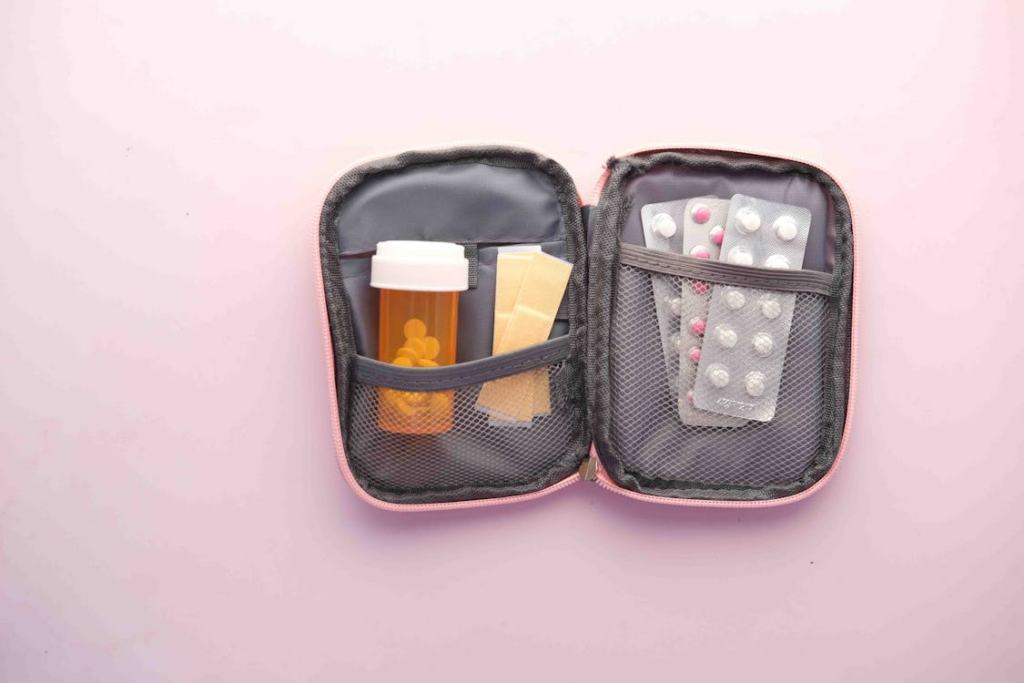
Most of the time, travel doesn’t work out perfectly, and that’s what you get ready for. Before your flight, double-check the rules for traveling with medicines in all the countries you are going to transit, save the local emergency numbers, and carry a small backup medicine in case there is a change of plans.
It’s also good to know the generic names of your medications to make refilling easier wherever you are. Once your health essentials are taken care of, the tension goes away, and you can have fun with your travel.
Build Your Medication Plan Before You Fly
You need to start packing and preparing for your travel at least four weeks in advance. Insurance refill limits, embassy restrictions, and different time zones can change how safely you handle medication when traveling abroad.
Put medicines in the original labeled prescription containers and don’t forget to bring printed prescriptions and a doctor’s letter for customs checks. This matters even more during long-distance flights or when traveling with blood thinners. Also, learning about flying with an ESA can help you prepare with greater confidence before departure, especially if you’re managing airline accommodations or emotional support travel concerns.
Smart Travelers Never Store Medicine Carelessly
Doctors warn that packed prescription drugs inside checked bags accompany increasing cooling loss and damage of the drugs among travelers. Extremely hot and humid air, and lost luggage often damage more of the medication than many travelers even realize.
Your medicines are best kept in your carry-on bag, and it is recommended that they be kept away from direct sunlight and the moist environment of hotel bathrooms. If temperature control is a requirement of your prescription, then an insulated travel pouch that is air travel-approved will be helpful. Also, if you have a travel partner, think about sharing backup doses between bags.
A growing number of experienced travelers also carry digital copies of prescriptions in secure cloud storage. If your bag disappears in transit, that backup can save hours at a foreign pharmacy.
Why Blood Thinner Travelers Need Extra Precautions
Blood thinner medications need more careful scheduling since skipping doses or taking them at the wrong times may raise health risks on long flights. In case you carry anticoagulants, it is wise to verify the dosing instructions, the possible interactions with food, and how to store the medication before your trip.
If you are a traveler on medications like Xarelto 20mg, it is advisable to check updated rivaroxaban information before your trip so that you can ensure that your medication refill time, side effects, and the handling of medication while on the go are safe. This is even more important in the case of long international trips when changing medications might become difficult. Per CDC travel guidelines, lengthy flights generally cause blood clotting concerns.
Drinking plenty of water, making moves from time to time while on board, and following your pill timings very strictly can be very effective against the risks that can be avoided.
Your Boarding Pass Means Nothing Without Backup Protection
While you may not be able to prevent flight delays, lost baggage, or limits on medicines abroad, you can control how prepared you are for these situations. Before leaving, check the medicine regulations of each country, save local emergency contact numbers, and carry a medicine supply covering several extra days.
If you are traveling with a health plan, it lightens your mind and allows you to travel with more freedom to explore and experience.