
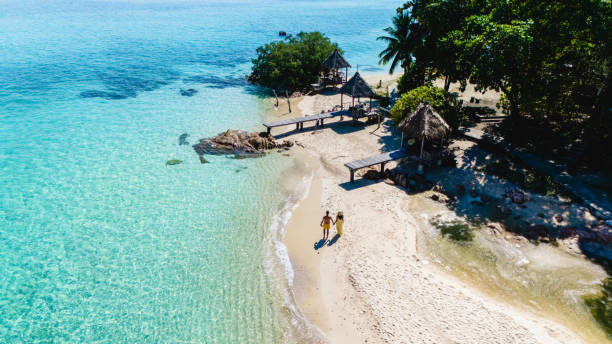
Some of the best travel memories come from places that are not always at the top of every guidebook. Hidden beaches, quiet villages, tucked-away galleries and local food markets can make a trip feel more personal. While famous landmarks have their place, lesser-known destinations often offer the kind of relaxed discovery that makes travel feel fresh again.
Look Beyond the Main Attractions
Every popular destination has headline sights. Visitors go to Paris for the Eiffel Tower, New York for Times Square and Sydney for the Harbour Bridge. These places are iconic for good reason, but they rarely tell the whole story of a city or region.
Hidden travel spots often sit just outside the obvious route. They might be smaller parks, independent bookshops, local walking trails, neighbourhood cafes or historic streets that locals love but tourists overlook.
Looking beyond the main attractions can help travellers:
- Avoid the busiest crowds
- Discover more authentic local culture
- Support smaller businesses
- Enjoy a slower travel pace
- Find better photo opportunities without pressure
The key is curiosity. Ask what people who live there do on weekends, where they eat casually and which places they recommend when friends visit.
Explore Smaller Towns Near Big Destinations
Major cities often attract most of the attention, but nearby towns can offer equally rewarding experiences. A short train ride, coastal drive or regional bus trip can reveal places with beautiful scenery, strong food cultures and a calmer rhythm.
For example, travellers visiting a busy city might add a nearby village, beach town or wine region to their itinerary. This gives the trip more variety and often creates a stronger sense of place.
Smaller towns can be especially good for:
- Local markets
- Scenic walks
- Independent cafes
- Heritage buildings
- Regional produce
- Boutique accommodation
These destinations may not have endless attractions, but that is part of their charm. They invite travellers to slow down rather than tick off a checklist.
Follow Food, Art and Nature
Hidden gems are often easier to find when you follow a specific interest. Food lovers can search for local bakeries, family-run restaurants or farmers markets. Art lovers can look for small galleries, public murals or craft studios. Nature lovers can seek out quiet beaches, forest trails or lookout points.
This kind of interest-led travel makes planning more enjoyable. Instead of trying to see everything, you build a trip around what genuinely excites you.
Digital tools can help too. Travellers use maps, blogs, short videos and online communities to find places they might otherwise miss. During downtime, they may also browse entertainment platforms such as jokaroom online pokies or catch up on personal interests from their accommodation. The modern travel experience often blends offline exploration with selective digital leisure.
A good hidden-spot search might include:
- “Best local breakfast near me”
- “Quiet walking trails outside the city”
- “Independent galleries in this neighbourhood”
- “Small towns within one hour of this destination”
- “Local markets open this weekend”
Simple searches can lead to surprisingly memorable discoveries.
Choose Places With Fewer Expectations
One reason hidden travel spots feel special is that they come with fewer expectations. When you visit a famous landmark, you may already know how it should look and feel. When you visit a lesser-known place, the experience is more open.
A small harbour, hilltop café or quiet garden can become memorable because it feels like your own discovery. There is no pressure to compare it with postcard images or social media highlights.
Places with fewer expectations often offer:
- More relaxed conversations with locals
- Space to explore without rushing
- Lower costs than major tourist areas
- A stronger sense of surprise
- Moments that feel less staged
These experiences may be simple, but they often stay with travellers longer than crowded attractions.
Travel Responsibly in Lesser-Known Places
Hidden spots are enjoyable partly because they are not overwhelmed. Travellers have a responsibility to protect that quality. Small communities, natural areas and local businesses can be affected quickly when visitor numbers rise.
Responsible travel means being respectful, spending locally and leaving places as you found them. It also means avoiding behaviour that damages quiet areas, such as parking badly, littering, trespassing or sharing sensitive locations without care.
Helpful habits include:
- Buying from local shops and cafes
- Following marked trails
- Respecting residents’ privacy
- Keeping noise low in small communities
- Avoiding overcrowded fragile natural areas
- Taking rubbish with you
The best travellers do not only find beautiful places. They help keep them beautiful.
Leave Room for Unplanned Discoveries
A good itinerary is useful, but hidden gems often appear when there is space to wander. Overplanning can make travel feel like a schedule instead of an experience. Leaving a free afternoon or slow morning gives you room to follow a recommendation, take a different street or stay longer somewhere unexpected.
Try building your itinerary around one or two main activities per day, then leaving gaps. Those gaps often become the most memorable parts of the trip.
Travel does not always need to be dramatic to be meaningful. A quiet lookout, a friendly café owner, a local festival or a peaceful walk can become the story you tell later.
Hidden travel spots are worth adding to your list because they bring back a sense of discovery. They remind travellers that memorable places are not always the most famous ones. Sometimes the best destination is the one you almost missed.