

Why Online Entertainment Matters for Digital Nomads in 2026
Staying productive and relaxed on long routes looks different in 2026. Destinations feel closer, but free time during flights, slow train journeys, or layovers still fills up with digital choices. Many travelers rely on igaming seo to help discover high-quality gaming and entertainment services optimized for mobile and remote access. These tools include detailed guides, curated content, and technical checklists for a smooth experience wherever you connect.
After 2025, online entertainment shapes how digital nomads and travelers use downtime. The typical journey often means managing work tasks and decompressing during a 7-hour train ride or multiple layovers. Common choices include podcasts, mobile games like Clash Royale, on-demand movie streaming, and interactive igaming—each providing access points for different moods and schedules.
Statistically, travelers spend an average of 2.1 hours per day engaging with digital entertainment when in transit (Datareportal 2026). This trend intersects directly with the preferences of remote professionals, who frequently select services that support fast logins and offline modes. Picking the right entertainment app in 2026 means choosing tools designed for fluctuating internet speeds and device hopping.
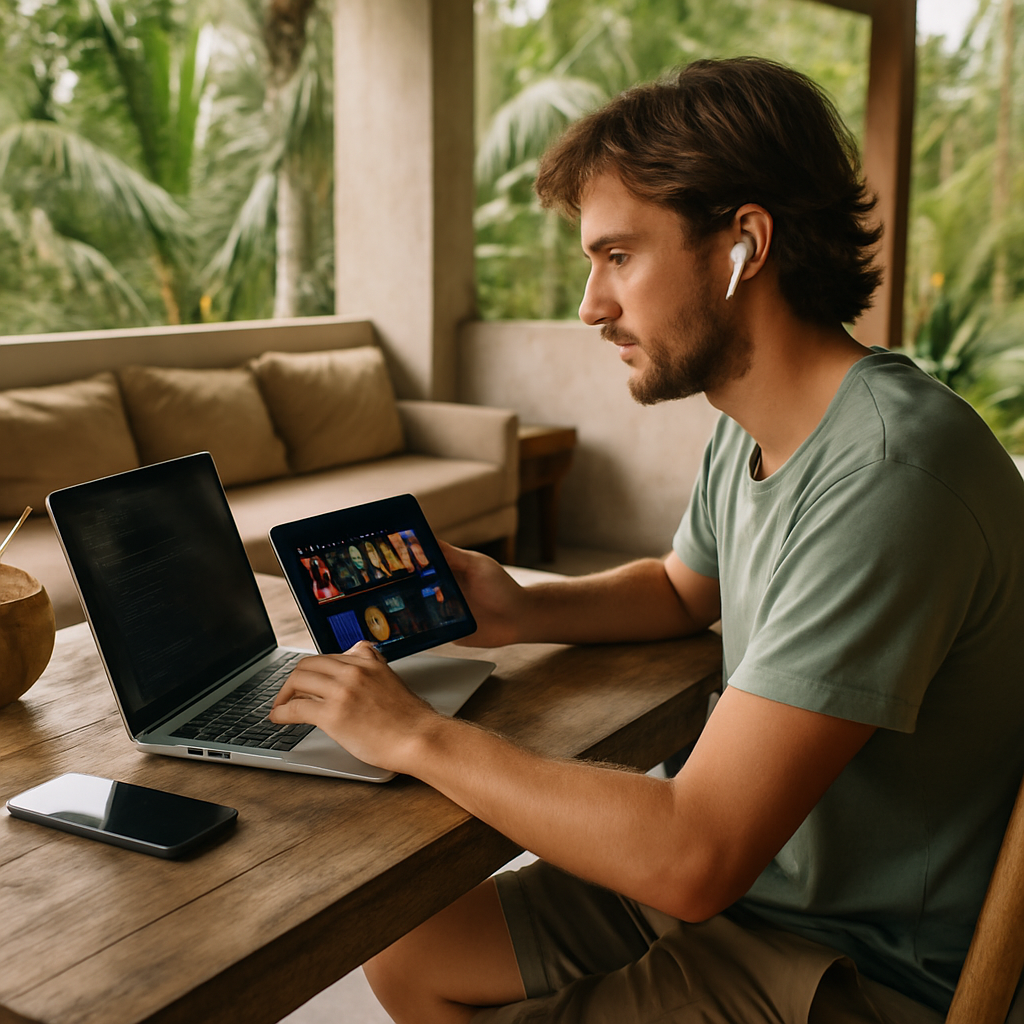
Step 1. Plan Your Entertainment Before Your Trip
Missing out on digital fun often happens because you forget to plan ahead. Picture a 7-hour Helsinki–Singapore flight: no personal playlist, just in-flight screens. Relying on generic airport Wi-Fi or whatever’s loaded on the airline’s system leads to limited options and frequent connection drops.
Common pitfalls include trusting airport and hotel portals to stream your favorite Netflix show or play online games. Many newcomers also skip saving podcasts or movies for offline playback, resulting in buffers or missing content at 10,000 meters.
A strong routine covers the basics: first, download your Netflix favorites and Spotify albums before departure. Second, double-check mobile game updates—some, like PUBG Mobile, won’t run old versions or without internet. Third, review all your subscriptions (YouTube Premium, HBO Max), so access stays active even on a weak signal. Lastly, prep your Kindle or equivalent with new reading material.
Not all Wi-Fi is equal. Average aircraft speeds in 2026 rarely reach 15 Mbps, and Asian destinations may impose 2–5 GB daily caps for tourists. Think ahead to keep your devices ready and boredom at bay.
Step 2. Use Secure and Mobile-Friendly Apps
Most digital nomads in 2026 organize their leisure around smartphones. Research shows 54% of travelers use mobile devices to manage entertainment, from audio books to igaming. You need tools that protect your identity while working from cafes, airports, or hotel lounges.
Always activate two-factor authentication for services like Netflix, Spotify, and legal igaming operators—this blocks unauthorized use even if passwords leak. Choose apps licensed in your travel region to ensure compliance and avoid sudden blocks.
Practical experience teaches: battery drains fast on long layovers. Opt for apps with offline access—Audible, offline YouTube playlists, and downloadable casino games keep you playing where Wi-Fi is patchy. Short device switches happen often; for seamless use, set up auto cloud sync so you can move from phone to tablet without breaks.
Adjust device settings: enable auto screen lock after two minutes and turn on battery saving modes. Limit Wi-Fi to trusted spots and disable automatic background updates; this lets entertainment run longer between charges or at minimal speeds.
Step 3. Keep Your Devices Ready and Connected
Every frequent traveler carries a core set of gadgets. Essential items include a laptop for streaming or work, a tablet for games or reading, a smartphone, noise-canceling headphones, and a power bank (capacity 10,000+ mAh, supporting 2A output).
Online activity data from major rail and air carriers indicates the average session lasts 2.5 hours in transport settings. This puts real strain on battery life and network capacity. Always pack at least two USB cables and global socket adapters (covering Euro, US, UK, and Asian formats). Power banks ensure more mobile sessions between physical outlets—use devices supporting fast charging for quicker top-ups during quick stops.
Connectivity drops regularly outside major cities. Set up a VPN (NordVPN or ExpressVPN) before leaving home; this bypasses regional stream blocking and keeps connections private on public Wi-Fi. SIM cards with international roaming—like Airalo or GigSky—guarantee access when local Wi-Fi fails. These steps ensure a constant link to entertainment libraries, even if local conditions shift without warning.
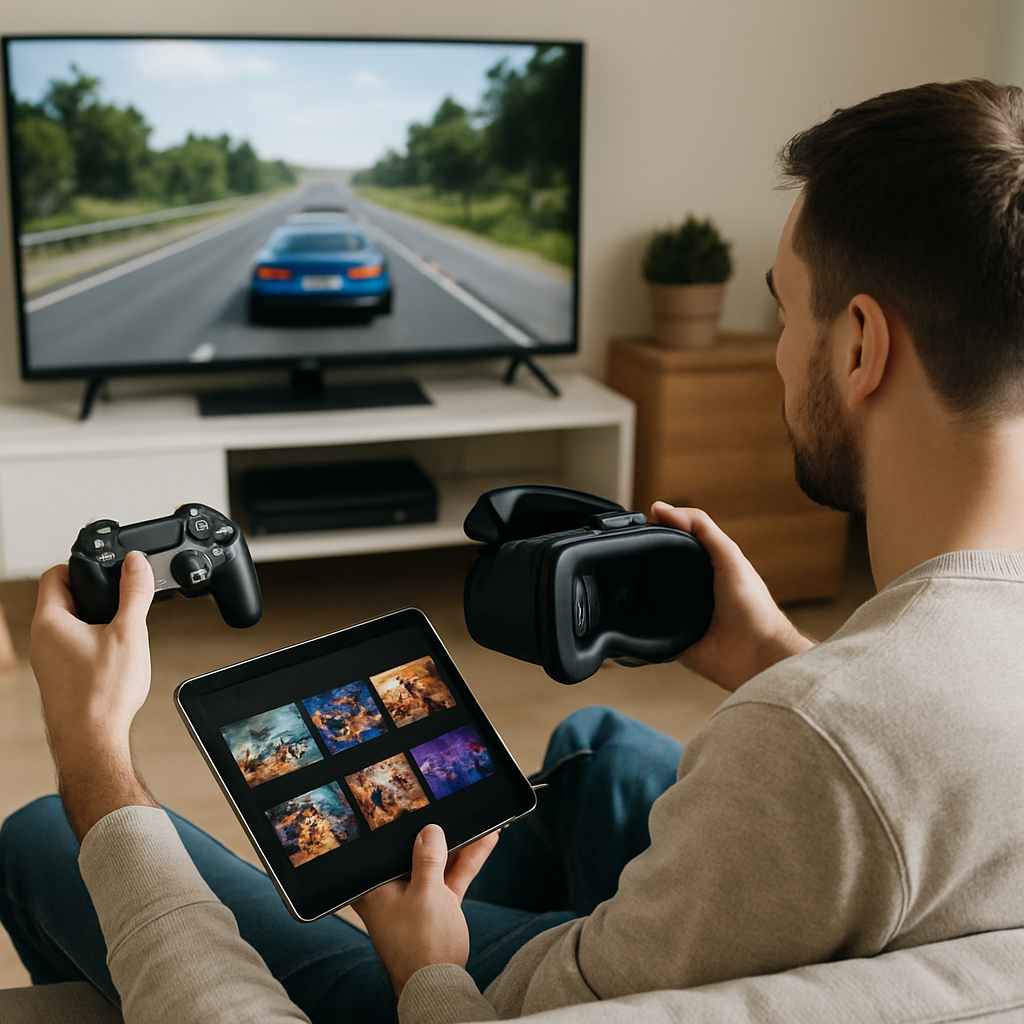
Step 4. Try New Types of Digital Entertainment
Digital nomads in 2026 explore streaming, but they also seek new experiences. Podcast downloads and educational app sessions spike on long journeys—edX and Udemy launch short, mobile-focused micro-courses that fit travel schedules. Interactive casinos and virtual quiz games, licensed on all continents but Antarctica, round out options.
Simulators and team-based video games—titles like Among Us and Fortnite—offer social connection beyond borders. Asana Research reports 31% of roaming remote workers now use online gaming for professional and personal networking.
Curated services like Coursera, Skillshare, and PokerStars adapt content for unstable networks and permit global access across devices. These apps operate legally in most destinations and include built-in compliance filters. Industry analysts highlight the shift to “edutainment”—a blend of learning and play—as a way to offset isolation and learn while moving.
Keep Local Culture and Rules in Mind
Laws on digital fun change at border crossings. The United Arab Emirates, China, and South Korea each impose different filters or blockages for streaming and gaming. In China, for example, many foreign entertainment portals simply stop loading, while South Korea licenses only homegrown content for mobile gambling.
Before landing, check latest rules on official travel advice pages and through booking apps like Booking.com. Many nomads use government-provided advisories or checklist resources, especially when connecting in airports or coworking spaces.
Final tip: run a quick search for local network law and app legality before logging in. This step protects you from fines or connection loss and ensures daily entertainment keeps flowing in every city or region you visit in 2026.