
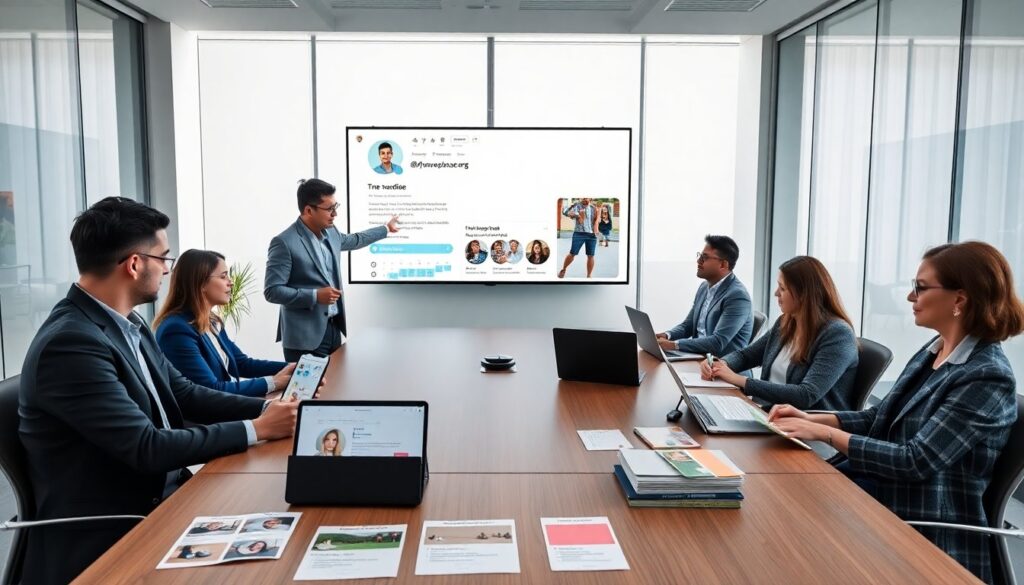
To start #myfavouriteplacesorg, the team defines a clear mission and audience first. They state what the profile will do, who it will serve, and why it matters. They set measurable goals for followers, engagement, and local impact. They pick a single niche that fits the team’s skills and local knowledge. This step saves time and guides every next choice.
Key Takeaways
- Starting @myfavouriteplacesorg@ begins with defining a clear mission, niche, and target audience to guide all content decisions effectively.
- Building a compelling profile involves using the handle consistently, creating a concise bio, and maintaining a cohesive visual brand with consistent colors and logos.
- A strategic content calendar with varied post types and a tested hashtag strategy ensures consistent engagement and audience growth.
- Launching includes a soft rollout with initial posts, local partnerships, and paid promotions to boost follower count and interaction.
- Regular tracking of followers, engagement, and saved posts helps refine content and marketing tactics for @myfavouriteplacesorg@’s success.
- Engaging directly with followers for feedback and maintaining simple partnership deals accelerates community trust and profile growth.
Clarify Your Mission, Niche, And Target Audience
The team states the mission for the profile and writes it in one sentence. They place that sentence on a planning doc and on the profile page draft. They define the niche by listing five topics the profile will cover, such as neighborhood food, outdoor spots, family activities, indie shops, or events. They test the niche by noting three content ideas for each topic.
They identify the target audience by age, travel style, and interests. They write short audience profiles that describe one person each, for example: “A 28-year-old who likes coffee shops and short hikes.” They use those profiles to decide tone, post timing, and photo style. They choose measurable goals next. They set targets for follower count, weekly engagement rate, and a monthly collaboration.
They research local and travel accounts that succeed in the chosen niche. They list three strengths and three gaps for each account. They use the gaps to find a unique angle. They decide whether the profile will focus on local residents, visitors, or both. They assign one person to own audience research and one person to own content direction. They plan short experiments to validate the niche and the audience in six weeks.
Build A Compelling Profile And Visual Brand
They create a clear profile name and a short bio that includes the mission sentence. They use the handle start @myfavouriteplacesorg@ in the bio and in the username field where possible. They pick a clean profile photo that reads at small sizes. They select two brand colors and one font for image overlays.
They write post templates for common content types. They keep captions short and useful. They include a call to action in most posts, such as “save this” or “tag a friend.” They link to a simple landing page that lists neighbourhood guides and partnership info. They build a one-page media kit that shows audience stats, sample rates, and partnership ideas.
They craft a simple visual system. They use consistent filters, a repeatable photo crop, and a small logo mark in the corner of images. They test three cover images for highlights and choose the clearest option. They keep the layout consistent so new visitors can scan and understand the focus quickly.
Content Calendar, Post Types, And Hashtag Strategy
They create a weekly content calendar that assigns types to specific days. They plan five post types: spot profile, local tip, event highlight, short guide, and community story. They rotate these types so the feed shows variety but feels cohesive. They set a publish cadence of three to five posts per week and daily Stories or short reels.
They write 12 caption formulas and save them as templates. They prepare 20 ready-to-post photos and 10 short videos before launch. They use a mix of original photos and high-quality UGC with permission. They write a hashtag list with three tiers: primary niche tags, local tags, and discovery tags. They test 10 to 15 hashtags per post and swap slowly to track reach.
They track early engagement metrics by post type and by hashtag set. They drop formats or tags that underperform after two weeks. They aim to keep the feed active and helpful so followers return.
Launch Growth, Partnerships, And Measure Early Success
They plan a soft launch with 20 posts and a clear highlight reel. They invite friends, local businesses, and contributors to follow and share. They reach out to five local micro-influencers with a simple collaboration offer: content swap, feature, or guided tour. They propose clear deliverables and a small budget for paid promotion where possible.
They track early success with three metrics: followers, weekly engagements, and saved posts. They check these metrics weekly for the first eight weeks. They run two small paid campaigns targeted by location and interest. They compare paid and organic results and adjust the ad creative.
They build partnerships with local businesses by offering profile features and cross-promotion. They prepare a short partnership pitch that states what the profile will deliver and how it will measure impact. They keep partnership deals simple at first: one feature post and two Stories in exchange for a product sample, a discount code, or a small fee.
They use surveys and DMs to collect follower feedback. They ask one simple question: “Which local spot should we cover next?” They track answers in a shared doc and prioritize the most requested spots. They run a monthly review to decide which content types to scale.
They document early wins and lessons in a short report. They update the media kit after the first quarter with verified numbers. They use the report to approach larger partners and tourism boards. They keep experiments small, learn fast, and repeat what works.