
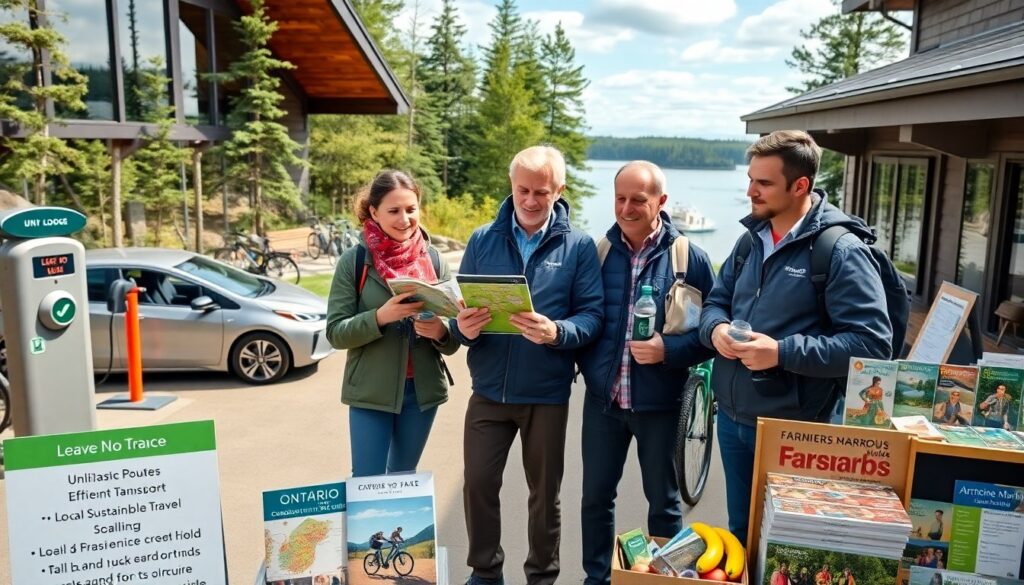
Ontario beacon sustainable travel environmentally myfavouriteplaces opens a clear path for green trips in 2026. The guide shows easy choices for transport, stays, and activities. It lists proven options that cut emissions. It helps readers plan trips that protect wildlife, water, and local economies.
Key Takeaways
- Ontario beacon sustainable travel provides clear guidance for eco-friendly trips that reduce emissions and protect wildlife.
- Travelers can lower their carbon footprint by choosing low-impact transport like trains, buses, ferries, and bikes while supporting local businesses.
- Top eco-friendly destinations like Algonquin Park, Prince Edward County, and Manitoulin Island offer strong conservation efforts and community-led sustainable tourism options.
- Booking lodging with energy and water certifications and following leave-no-trace principles help minimize environmental harm on trips.
- Using local guides and Indigenous-run tours supports cultural respect and fair income while enhancing sustainable travel experiences.
- Planning with the Ontario beacon sustainable travel guide encourages responsible tourism that safeguards natural habitats and benefits local economies.
Why Ontario Is A Global Beacon For Sustainable Travel
Ontario offers wide protected areas and clear conservation rules. The province funds park management and species recovery. Local governments add low-emission transit and bike networks. Communities promote local food and craft businesses. Travelers find options that reduce waste and support local jobs. The province records visitor impact and adapts policies. This data drives better planning and habitat protection. Researchers and Indigenous leaders advise many projects. They protect cultural sites and natural habitats. Ontario sets standards for green lodging and energy use. Many hotels and lodges now use renewable energy and efficient heating. The province also supports electric vehicle infrastructure and car-share programs in towns. Visitors who choose these options lower their carbon footprint. The region’s size gives options for short trips and longer stays. Short trips cut travel emissions and let visitors spend more locally. Ontario’s mix of protected land and active conservation makes it a clear example of sustainable travel done well.
How To Travel Low-Impact In Ontario: Practical Tips And Planning
Plan travel with low-impact choices. Book trains or buses where possible. Use ferries and rideshares that list emission ratings. Pack light to reduce fuel use. Choose lodging with energy or water savings certifications. Look for hotels that publish energy or waste data. Reserve outdoor activities with guides who follow leave-no-trace rules. Rent bikes or use the local bike-share instead of driving in towns. Carry a reusable bottle and utensils to avoid single-use plastics. Buy food from farmers’ markets and small producers. This supports local farmers and cuts transport miles. Respect wildlife by keeping distance and following posted rules. Stay on marked trails to protect plants and soils. Pay fees and permits that fund park maintenance. Check seasonal advisories and closures before travel. Support Indigenous-run tours and businesses to ensure cultural respect and fair income. Offset remaining emissions with verified carbon projects only after reducing travel impact. Keep digital records of receipts to plan future low-impact trips. These steps lower environmental harm and increase local benefits.
Top Eco-Friendly MyFavouritePlaces In Ontario
Ontario beacon sustainable travel environmentally myfavouriteplaces highlights parks, islands, and counties that offer low-impact options. These sites provide strong conservation measures, local tourism schemes, and clear visitor guidelines. They show how travelers can enjoy nature while causing less harm. The list below focuses on places with active stewardship, green transport access, and community-led services.
Priority Picks: Algonquin, Prince Edward County, And Manitoulin Island
Algonquin Provincial Park offers marked trails, backcountry permits, and clear waste rules. Local outfitters provide canoe trips with guide training in wildlife safety. The park restricts motor access in sensitive zones and enforces campsite limits. Visitors can use shuttle buses from nearby towns to reduce car trips.
Prince Edward County features wineries, farms, and shoreline protected areas. Many inns use local food and composting programs. The county hosts community transport and seasonal shuttle services to reduce traffic on rural roads. Cyclists can use mapped rural routes that link villages and parks. Waste diversion programs run at markets and festivals. Visitors often prefer farm-to-table meals and small-batch producers.
Manitoulin Island maintains community stewardship for freshwater and shoreline health. The island supports Indigenous cultural tourism and small-scale operators who use low-impact boats. Local lodges often use solar panels and efficient systems. Public ferries and inter-island shuttles limit private boat traffic in bays. The island enforces fishing and harvesting limits that protect species and water quality.
Each site offers clear visitor guidelines and tools for low-impact planning. They publish maps, permit rules, and seasonal advisories. Travelers who follow these rules reduce erosion, prevent wildlife disturbance, and keep trails open for future visitors. These places also offer learning programs that teach sustainable practices. They let visitors leave positive effects on local economies and conservation projects.
Ontario beacon sustainable travel environmentally myfavouriteplaces appears in local visitor centers, official park guides, and community websites. Travelers can download official checklists and support approved guides to have safer, greener visits. Visitors who pick these sites and follow simple rules help conserve landscapes and maintain local livelihoods.