The cultural immersion travelogue myfavplacesorg course teaches travelers how to connect with places and people. The course uses fieldwork, storytelling, and ethics to build skills. It guides learners to observe, record, and reflect. It shows how to travel with respect and curiosity. It prepares learners for real assignments and real relationships in host communities.
Key Takeaways
- The cultural immersion travelogue myfavplacesorg course equips travelers with skills in ethical reporting, cultural sensitivity, and storytelling to connect deeply with host communities.
- Learners gain practical experience through on-the-ground assignments involving interviews, observation logs, and creating multi-format travelogues including text, images, and audio.
- The course emphasizes respectful travel by teaching consent practices, local partnership collaboration, and reciprocal storytelling duties.
- Participants develop valuable tools like interview templates, release forms, and story outlines that enhance their travel writing and portfolio.
- Fieldwork and reflective prompts foster meaningful engagement, encouraging learners to document local contexts honestly and with cultural respect.
- By completing the course, English-speaking travelers, journalists, and educators build a network of local partners and receive expert feedback to improve their cultural immersion travelogues.
What The Course Covers: Core Learning Outcomes
The cultural immersion travelogue myfavplacesorg course lists clear outcomes. It teaches listening, local research, and ethical reporting. It teaches photographic framing and short-form writing for travel audiences. It teaches cultural sensitivity and consent practices for interviewing. It teaches project planning and field logistics for short trips. It teaches digital publishing and basic SEO for travel pieces. By course end, learners draft a multi-format travelogue that includes text, images, and audio. The course grades practical work and reflective journals.
How The Travelogue Approach Teaches Cultural Immersion
The travelogue method gives learners active practice. It asks learners to stay with hosts, join local routines, and record daily life. It pairs practice with critique. Instructors review recordings and drafts. Learners refine language use and focus. The method pushes learners to value detail and context over stereotypes. It requires consent and clear attribution for quotes and images. It frames travel as reciprocal exchange. It frames storytelling as a duty to represent people accurately and fairly.
On-The-Ground Assignments And Reflection Prompts
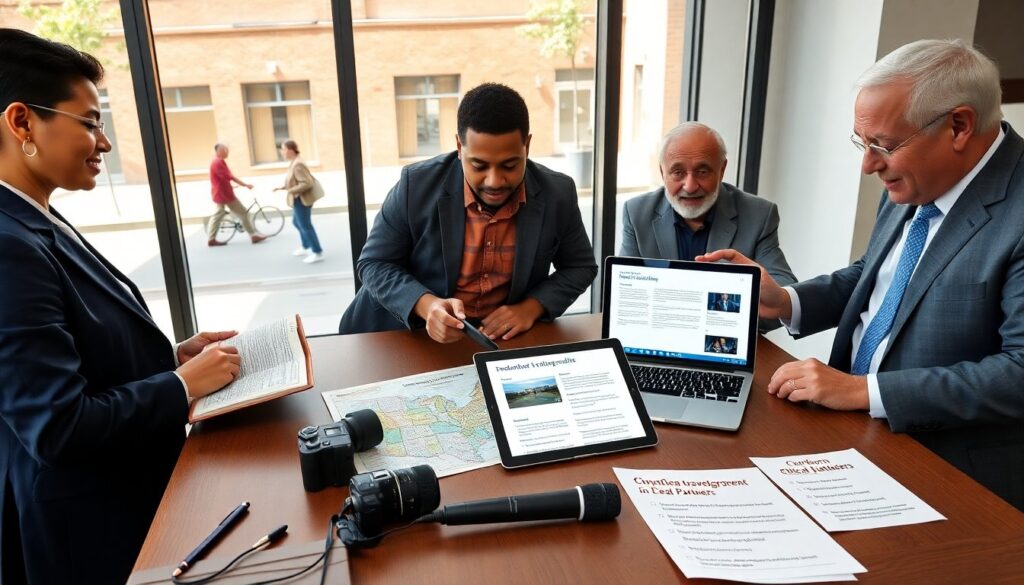
Assignments ask learners to spend set hours in public places and with hosts. They collect three short interviews and one long-form observation log. They submit a 700-word travelogue and a 90-second audio vignette. Prompts ask learners to state who they met, what they noticed, and how the meeting changed their view. Prompts also ask learners to detail consent steps and to show evidence of local permission. Graders look for clarity, honesty, and ethical practice.
Local Partnerships And Ethical Storytelling
MyFavPlaces.org builds local partnerships for safety and authenticity. Partners include community centers, guides, and small cultural groups. The course asks learners to work with partners on permission and compensation. It asks learners to offer copies of work to collaborators. The program funds small honoraria for interview subjects when possible. The course enforces a consent checklist for images and quotes. It asks learners to correct errors and to credit local sources clearly.
Who Should Take This Course And What You’ll Gain
The course suits English-speaking travelers who want field skills. It suits writers, photographers, and early-career journalists. It suits cultural program leaders and educators who plan short visits. Learners gain clear habits for respectful travel. They gain practical templates for interviews, release forms, and story outlines. They gain an editable travelogue that acts as a portfolio piece. They gain feedback from peers and instructors with field experience. They gain a network of local partners and alumni.
Practical Syllabus Snapshot: Weeks, Modules, And Fieldwork
Week 1 covers listening skills and ethics. Week 2 covers interview craft and note-taking. Week 3 covers visual composition and audio basics. Week 4 focuses on field assignments and partner work. Week 5 focuses on drafting the travelogue and peer review. Week 6 focuses on editing, publishing, and local feedback. Each week mixes short lessons and tasks. Each week requires 6 to 10 hours of work. Fieldwork includes three local visits and one longer community visit.
How To Get The Most Out Of The Course: Tips For English-Speaking Travelers
Learners should read local history before arrival. Learners should learn basic phrases and names in the local language. Learners should carry a notebook and record short, dated entries after meetings. Learners should ask permission before taking photos and should explain how images will be used. Learners should offer small returns such as copies or simple goods when appropriate. Learners should share drafts with local partners before publication. Learners should accept correction and revise work promptly.