
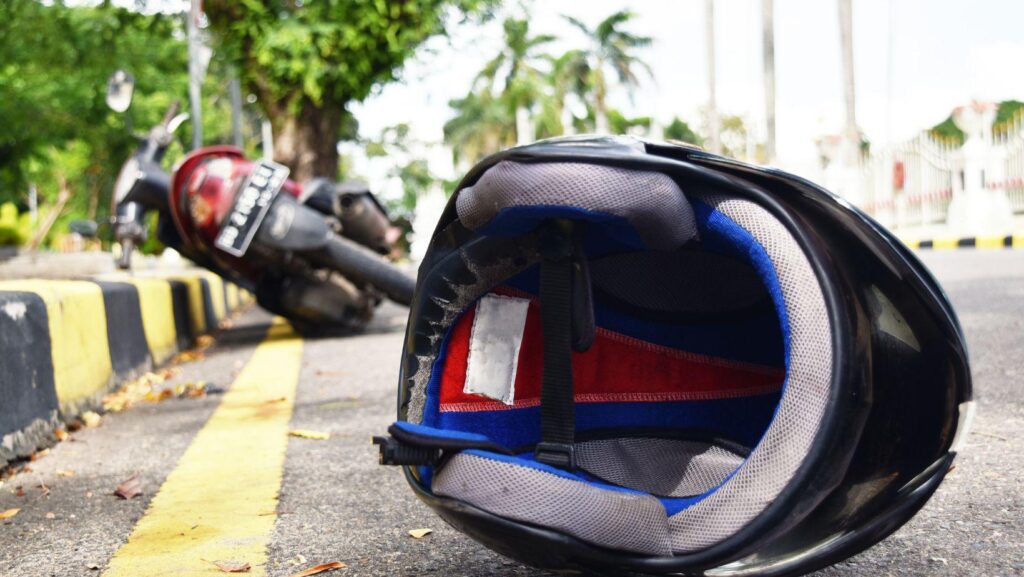
A motorcycle crash does not always begin with a reckless driver. Sometimes the danger is already built into the road. A broken patch of pavement, loose gravel, poor drainage, or an unmarked surface change can create a sudden problem that leaves a rider with almost no time to react.
Motorcyclists depend on traction, balance, visibility, and predictable road surfaces. A condition that feels minor inside a car can become a serious hazard on two wheels. When unsafe road conditions contribute to a crash, the investigation should look closely at how the road looked, how long the danger existed, and whether someone had a chance to fix or warn about it.
The Road Can Change Faster Than a Rider Can React
A rider may be traveling safely when the road suddenly shifts beneath them. A pothole, broken patch, raised seam, or crumbling shoulder can appear too late to avoid. Unlike a car, a motorcycle may not be able to roll over the defect without losing stability.
The problem becomes worse when traffic limits the rider’s choices. Swerving may place the motorcycle in another lane. Braking hard may reduce balance. Holding the line may send the tire directly into the hazard. In that moment, the rider may have no safe option.
Loose Material Can Turn Pavement Into a Sliding Surface
Gravel, sand, dirt, glass, leaves, and loose asphalt can reduce traction quickly. These materials may collect near curves, intersections, construction areas, parking lot exits, or road shoulders. A rider may not see the danger until the motorcycle is already crossing it.
Loose material is especially dangerous during turns. The tires may slide before the rider can correct. If the crash happens near a construction site, driveway, or work truck route, the source of the debris may become important. The question may be whether the material was left behind, spilled, washed onto the road, or ignored after complaints.
Water Can Hide the Real Problem
Standing water may look like a shallow puddle, but it can hide a pothole, rut, broken pavement, oil slick, mud, or uneven surface. A motorcycle tire can lose traction or drop into a hidden depression before the rider understands what is underneath.
Drainage problems can also show that the hazard was not new. If water regularly pools in the same area, nearby residents, businesses, workers, or road crews may have known about the condition. Photos taken after rain, prior complaints, repair records, and witness statements may help show whether the danger was predictable.
Curves Make Surface Defects More Dangerous
A road defect on a straight stretch is risky. A road defect on a curve can be even more dangerous. Motorcyclists must lean, balance, and maintain traction while turning. Gravel, water, uneven pavement, or a raised edge in a curve can interrupt all of those movements at once.
A rider may be blamed for “losing control,” but that phrase may hide the real cause. The crash may have happened because the road surface changed during the turn. Curve design, sight distance, warning signs, pavement condition, and the location of the defect can all help explain why the rider could not recover.
Construction Leftovers Can Outlast the Work
Road work can leave behind hazards even after the crew is gone. Grooved pavement, steel plates, loose gravel, temporary lane edges, faded markings, uneven transitions, and unfinished patches can remain in the rider’s path. If those conditions are not clearly marked, motorcyclists may encounter them without enough warning.
The risk is not limited to active work zones. A road may still be dangerous after construction signs are removed if the surface has not been restored safely. A San Antonio motorcycle accident attorney may review contractor records, work orders, photos, and roadway conditions to understand whether a construction-related hazard contributed to the crash.
Poor Lighting Can Make a Hazard Practically Invisible
A road defect may be visible at noon but hidden after sunset. Poor lighting, missing reflectors, faded lane lines, blocked signs, and glare from headlights can make it harder for riders to read the road. This is especially true on curves, ramps, underpasses, and roads with uneven pavement color.
If the crash happened at night, the scene should be evaluated under similar lighting. A daytime photo may not show what the rider actually faced. Shadows, glare, and dark pavement can hide defects that appear obvious later.
Maintenance History Can Reveal Whether the Danger Was Known
Some roadway hazards develop over time. Cracks widen. Potholes deepen. Drainage problems return after every storm. Gravel gathers at the same curve. Complaints may be made before anyone is hurt.
Maintenance history can help show whether the hazard was known or should have been discovered. Repair logs, inspection records, prior crash reports, public complaints, contractor notes, and photographs may all matter. If the danger existed long enough for someone responsible to address it, the crash may not have been unavoidable.
The Scene Should Be Preserved Before It Looks Different
Road hazards can disappear quickly. Loose gravel may be swept away. Water may dry. A pothole may be patched. Construction plates may be moved. Signs may be replaced. By the time an insurance adjuster sees the area, the danger may no longer look the same.
Useful documentation may include photos, videos, measurements, weather conditions, witness names, nearby camera locations, and notes about the rider’s travel path. Images should show the approach to the hazard, the surface itself, surrounding traffic, lighting, signs, and any objects that blocked visibility.
When the Road Itself Explains the Crash
Motorcycle accidents caused by unsafe road conditions deserve careful review. A rider may be seriously injured because of loose debris, hidden water damage, poor lighting, dangerous curves, construction leftovers, or pavement defects that should have been repaired.
The crash should not be reduced to a simple claim that the rider lost control. The better question is what caused control to become impossible. When the road surface creates a danger that drivers in larger vehicles barely notice, motorcyclists may pay the highest price. A full investigation can help show whether the hazard was known, preventable, and serious enough to support a claim.