
Building a travel budget that survives contact with reality is harder than it looks.
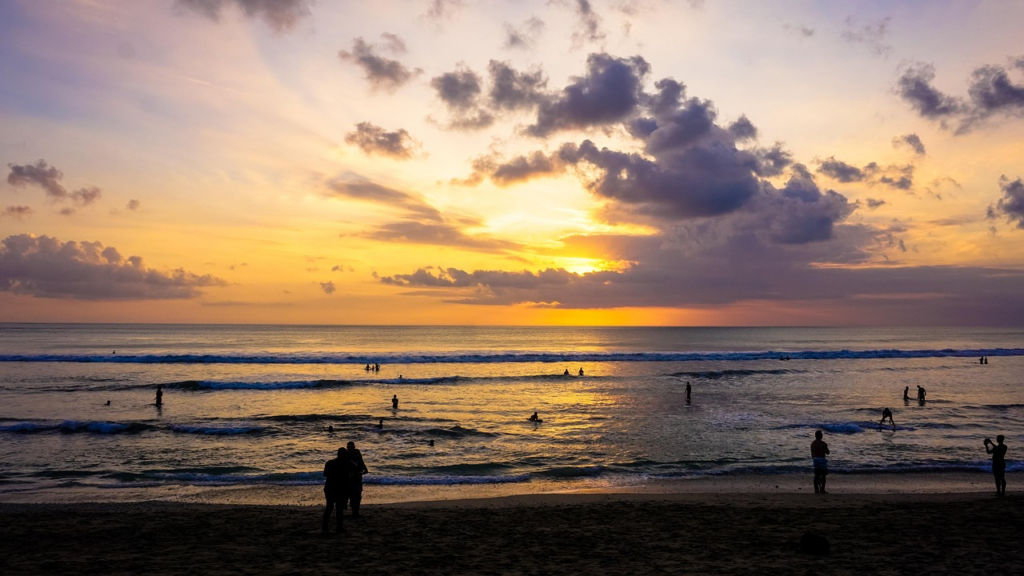
The vast majority grossly underestimate the cost of a trip overseas. Then the credit card bill comes and the holiday glow disappears quicker than a Bintang on a balmy Kuta evening.
Listen, here’s the deal: traveling abroad is more expensive than ever before – but it’s also cheaper than ever before if you know what you’re doing. With a little planning, you can:
- Forecast your spending with real accuracy
- Avoid nasty financial surprises
- Actually enjoy the trip without checking your bank balance every hour
Let’s break it down…
What you’ll pick up:
- Why Most Travel Budgets Fail
- The Real Cost of International Travel Today
- How to Build a Budget That Works
- The Extras Most People Forget
Why Most Travel Budgets Fail
The number one reason travel budgets fail is very simple: unrealistic expectations.
Someone Googles “how much does europe cost?”, picks a random number they found from 2019, throws on a few hundred dollars, and say “That’ll be my budget.” Reality eventually catches up to you.
Flight prices have increased. Hotel rates are higher. Remember those old blog posts about “cheap eats”? Everything on that menu is triple what it used to be.
Here’s what nobody tells you:
Roundtrip travel costs have skyrocketed since 2020. Airlines, hotels, and tour companies are still playing catch up on demand from travellers, and prices have stayed high as a result. Recent data showed average costs rose 24% to more than $7,000 per person.
That’s a huge shift.
If your budget thinks it’s still pre-2020, prepare to suffer. Let’s get started with the first step towards recovering from that mistake.
The Real Cost of International Travel Today
In order to create an effective budget, you must first understand where your money is going.
Here’s how a typical international trip breaks down:
- Flights: the biggest one-off expense
- Accommodation: usually around 40% of daily spend
- Food and drink: roughly 30%
- Local transport: about 15%
- Activities and entertainment: the rest
When travelling to Southeast Asia, Australians will find planning really starts to benefit them. Bali is still one of the cheapest places to travel internationally from Australia. Prices have increased though. Purchase your Bali trip protection before booking flights. Getting hit with hospital expenses or lost luggage claims can erase days or weeks of frugal living in one afternoon if you don’t have insurance.
For reference, the average cost of an international economy ticket these days is about $1,217 USD. Pre-landing.
Once you’re on the ground, daily spend depends heavily on destination:
- Southeast Asia (Bali, Vietnam, Thailand): AUD $80 to $150 per day
- Europe (Italy, France, Spain): AUD $200 to $350 per day
- North America: AUD $250 to $400 per day
- Japan: AUD $180 to $300 per day
This is a mid-range estimate. You can spend a lot less as a backpacker. And three or four times more as a luxury traveller.
How to Build a Budget That Works
Now the fun part – actually building your budget.
Split it into neat segments. Assign an educated guess to each. No wild guessing. No Stole-Numbers-from-a-blog-post-from-three-years-ago.
Start With The Big Rocks
The big rocks represent fixed costs that you have to pay prior to the trip starting:
- Flights
- Accommodation
- Travel insurance
- Visas and vaccinations
Request quotes for all of these items first. These four items typically make up 50-60% of your trip’s overall cost. Knowing what they are allows you to plan everything else around them.
Tip: Book flights and hotels simultaneously. Flight prices and hotel prices usually rise and fall together by season. Booking them together ensures you avoid unpleasant surprises when prices change on one but not the other.
Break Down Your Daily Spend
Multiply your daily expense estimate by the number of days in your trip after your fixed costs are established.
Here’s the formula:
(Daily spend) x (Number of days) = Total on-ground budget
For example, let’s say you decide you’re going to spend $120/day for 10 days in Bali. That’s $1,200 you’ll spend on daily expenses. Throw that on top of your flight/car/bungalow/insurance, and you have yourself a budget!
Don’t forget to factor in:
- Airport transfers
- SIM cards or roaming
- Tips and service charges
- Souvenirs and gifts
These small costs add up quickly. A lot quicker than most travellers expect.
Add a Safety Buffer
This is the step most people skip.
Budget 15-20% more than what you think you’ll need. Why? Because Murphy’s Law. Your flight gets cancelled. Your hotel is fully booked. You see a tour brochure for something you didn’t plan on and NEED to do it.
That buffer is the difference between an amazing trip and a stressful one.
The Extras Most People Forget
There are certain expenses that very rarely get included in first draft travel budgets. Leave them out and you’ll bust your budget by day 7.
- Foreign transaction fees. Every time you use your card abroad, your bank will take a percentage. Fees can be 3%+ per swipe. On a $5,000 vacation, that’s $150 you’re losing to fees. Find a travel-friendly card before you depart.
- Departure taxes/tourist taxes. Some countries want you to pay to just get there or leave! Bali implemented a tourist tax in 2024, but they aren’t the only ones.
- Emergency funds. Emergencies like a lost passport, a stolen phone, or a missed flight can cost you hundreds of dollars. Keep a separate emergency fund of $500-$1,000 for things you don’t dip into unless it’s absolutely necessary.
- Data and connectivity. International roaming is expensive. Local SIMs or eSIMs are inexpensive but require some planning.
Bringing It All Together
Creating an accurate travel budget isn’t difficult. You just need to be realistic.
To recap the winning formula:
- Get real numbers for flights, accommodation and insurance first
- Multiply your daily spend by trip duration
- Add a 15-20% buffer for the unexpected
- Factor in the “extras” most people forget
The 1.52 billion international arrivals recorded globally in 2025 show you one thing very clearly: travellers keep hitting the road in great numbers, and prices will likely remain high.
So budgeting properly is more important than ever. Do it correctly and you can enjoy a once in a lifetime trip without going into debt. Do it incorrectly and you’ll be paying bills until next Christmas.
The choice is yours.