
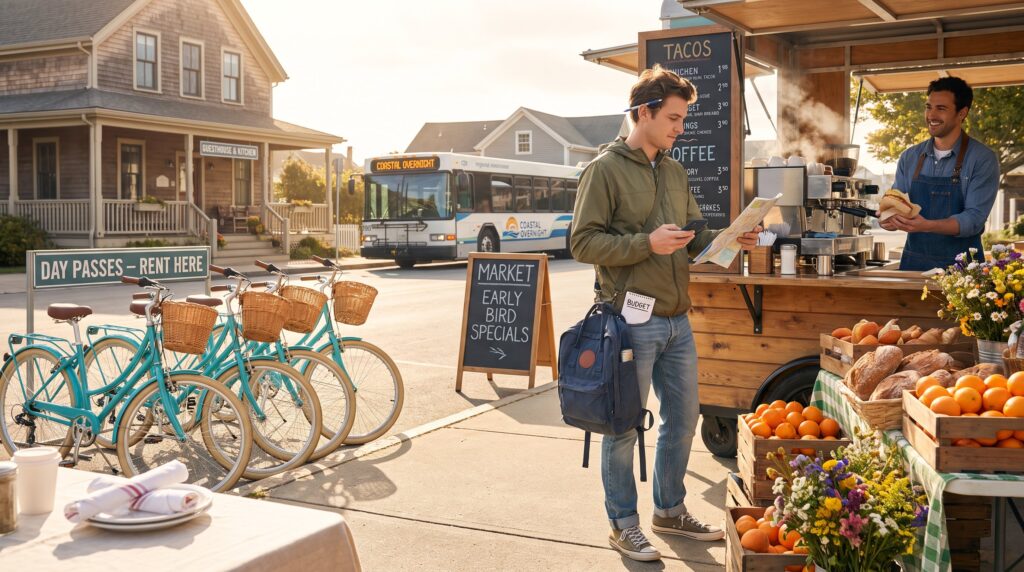
Budget Travel Ideas begin with a single clear choice: prioritize time and authentic moments over expensive bells and whistles. Readers who choose budget travel often find richer local interactions, slower rhythms, and lower stress. This article outlines practical steps to pick destinations, set a realistic daily budget, and design a flexible week that delivers experiences that feel luxurious without the price tag. It also shows tested saving tactics for transport, lodging, and food so readers can plan a memorable trip in 2026 without guessing at numbers.
Key Takeaways
- Budget travel prioritizes authentic local experiences and slow travel to create memorable and affordable trips.
- Setting a realistic daily budget with clear priorities helps allocate funds efficiently across lodging, food, transport, and activities.
- Booking transportation and accommodations at optimal times—1–3 months for domestic and 2–6 months for international—reduces overall travel costs.
- A flexible itinerary combining free activities with one or two paid highlights enhances travel enjoyment without overspending.
- Money-saving strategies include using public transit passes, mixing accommodation types, and eating like locals to stretch your budget.
- Accepting minor trade-offs such as simpler lodging leads to richer interactions and deeper cultural immersion during budget travel.
Why Budget Travel Can Be More Rewarding Than You Think
Budget travel rewards travelers by shifting value from branded luxury to lived experience. Local markets, neighborhood cafés, and free community events deliver vivid memories for a fraction of hotel-and-restaurant costs. For example, a traveler who spends a day with a street-food vendor in Chiang Mai remembers the citrus-sour dressing and the vendor’s laugh more than a three-course hotel dinner.
Slow travel is a key surprise: staying longer in one place lowers transit costs and deepens relationships. They will pay fewer transportation fees and discover cheaper, higher-quality food options by learning where locals eat. Research and on-the-ground reports show slower itineraries cut daily hassle and often reduce per-day spend by 15–40% compared with multi-city rush trips.
Budget travel also forces clarity about priorities. When money is limited, travelers choose one paid highlight, a cooking class, a guided hike, a museum, and fill other days with free walking tours or parks. That deliberate prioritization often produces stronger memories than trying to see everything. Practical warnings: budget travel requires realistic planning and may include simpler accommodations or shared bathrooms: travelers should accept trade-offs to gain richer experiences.
Step-By-Step Planning: From Destination Choice To Daily Budget
Start with purpose and a rough total budget. Decide whether the trip is about nature, food, culture, or rest. That decision guides where money matters most, for example, paying for a special guided hike versus a restaurant. Next, choose a destination by checking current flight and lodging prices plus local cost-of-living indicators. Using fare-alerts and flexible dates reveals cheaper windows.
Book major transport at the right time: domestic flights often offer best prices 1–3 months out, while international fares can be cheaper 2–6 months ahead. These timing rules are supported by major planning guides and help reduce risk of price spikes. To set a daily budget, add lodging, food, local transport, and an entertainment buffer: then test it against typical local prices and adjust. A practical method is to allocate 40% to lodging, 30% to food, 20% to activities, and 10% to local transport as a starting point, then tailor by destination.
Plan a core itinerary with a few paid highlights and leave other days open to spontaneous discoveries. Travelers should also build an emergency buffer equal to one travel day. For a fuller planning framework and destination ideas, the site’s destination guides collection offers quick comparisons and regional context.
If readers want a third-party, step-based checklist, the Lonely Planet budgeting guide provides practical timing and booking tips that back the recommended booking windows.
Sample Flexible 7-Day Budget Itinerary (Adaptable For Any Destination)
Day 1–2: Base city. Start with a free walking tour at 10 a.m., wander the main market for lunch, and choose one inexpensive evening event (live music, small museum). Staying two nights reduces transit and gives a low-pressure introduction.
Day 3: Nearby town day trip by bus or regional train. Buses often cost 40–70% less than private transfers. Book a single paid highlight, an entry fee or short guided activity, and spend the afternoon exploring neighborhoods on foot.
Day 4–5: Move to a secondary base such as a smaller town or coastal village. Choose a guesthouse with a kitchen: cooking two nights saves about 20–30 USD compared with eating out twice. Spend mornings on free nature walks and afternoons lounging on public beaches or parks.
Day 6: Return to the main city on an overnight bus or train. This saves one night’s accommodation and preserves a full final day. Travelers who have tried night transport report saving one accommodation fee and waking within easy reach of departure hubs.
Day 7: Use the last day for small shopping, a final paid highlight, and travel to the airport or station. The itinerary’s flexible days let travelers swap in market festivals, volunteer mornings, or inexpensive local classes without upsetting budget math. Practical tip: pick one splurge (under 20% of the total budget) so the trip feels elevated without derailing costs.
Money-Saving Strategies For Transport, Accommodation And Food
Transport: Travel midweek when fares often drop and trains have open seats. Use public transit cards and day passes: a 3-day transit pass can cut local transport costs by half in many cities. Walk or rent a bike for short trips, rentals commonly cost 5–15 USD per day and provide sensory access to neighborhoods that taxis miss. For long hops, compare buses and night trains: they can save both money and one night’s lodging. For flight tactics and alerts, readers can consult the practical tips on scoring flight deals from the site.
Accommodation: Mix stays, two nights in a comfortable guesthouse, two nights in a cleaner budget hotel, and two nights in a social hostel with a kitchen, reduces cost while keeping comfort. Booking 1–2 weeks ahead in many regions yields 20–30% savings, though extremely popular seasons still require earlier reservations. Use comparison checklists when evaluating rooms: location walkability, included breakfast, kitchen access, and cancellation flexibility. The site’s article on comparing hotels explains which amenities justify small price increases.
Food: Eat like locals. Street stalls and markets often deliver fresh meals for 60–80% less than tourist restaurants and provide stronger local flavor. A simple rule is big lunch, small dinner, lunch menus typically cost half of dinner with equal quality. Cooking two nights in a shared kitchen saves about 15–40 USD per person over a week. For extra funding, readers can explore side income options in the site’s guide to side gigs.
Warnings and realistic trade-offs: shared bathrooms, earlier check-in limits, and fewer on-site services are common. But those small inconveniences often lead to one-on-one conversations with hosts or locals, moments that feel far more valuable than a pricey hotel minibar.
Conclusion
A memorable, low-cost trip comes from clear priorities, a tested daily budget, and choices that favor local experiences. They can substitute slow travel, smart booking windows, and mixed accommodations for costly luxury, and still end a trip feeling enriched. With realistic expectations and the practical steps above, budget travel in 2026 will feel deliberate, restorative, and surprisingly indulgent.