
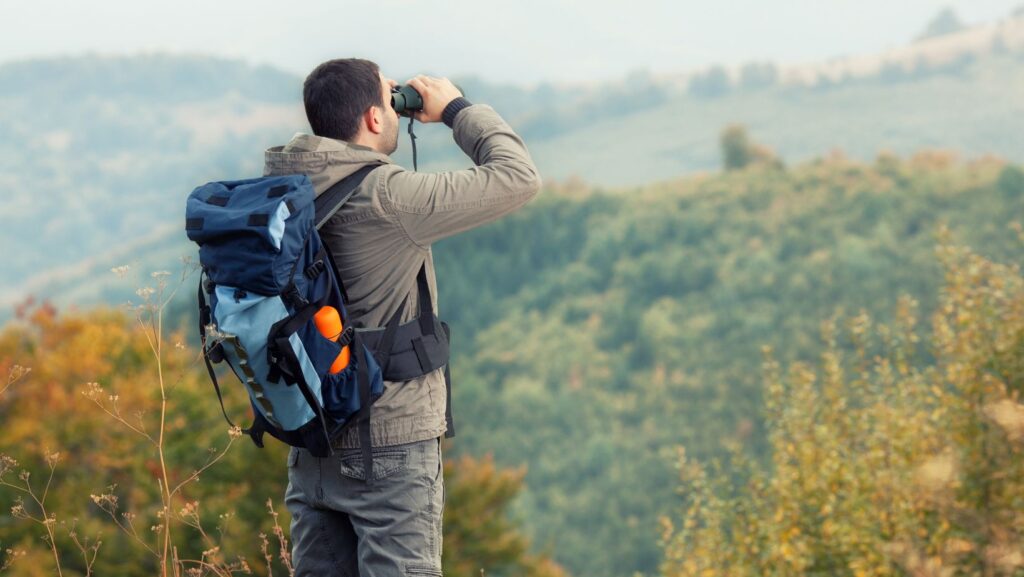
There’s an art to using binoculars that transforms casual looking into beautiful views and observations. Scanning distant mountain ridges for bighorn sheep or identifying warblers on a lakeside, proper binocular technique unlocks nature’s hidden details. Let’s explore how outdoor enthusiasts can elevate their viewing experience through intentional practices and equipment knowledge.
The first moments with your binoculars often determine your viewing success. Before even raising them to your eyes, take time to survey the landscape with your naked eyes.
Start with Your Naked Eyes
Before you even raise your binoculars, take a moment to look around.
This helps you figure out where to focus and saves you time scanning blindly.
- Spend 1–2 minutes observing the landscape without any gear
- Look for movement, shifting light, and shadows
- Build a “mental map” of your surroundings
Get Your Binoculars Dialed In
A big mistake many people make is skipping the setup. Take a few minutes to properly adjust your binoculars so your eyes work together comfortably.
Here’s a simple way to do it:
- Cover your right lens
- Use the center focus wheel to focus the left side on a mid-range object
- Then, cover the left lens and adjust the right side using the diopter ring
- Boom! Now, both eyes are seeing clearly.
Learn the Art of Slow Scanning
Spotting wildlife isn’t about quick sweeps; it’s about patience and precision.
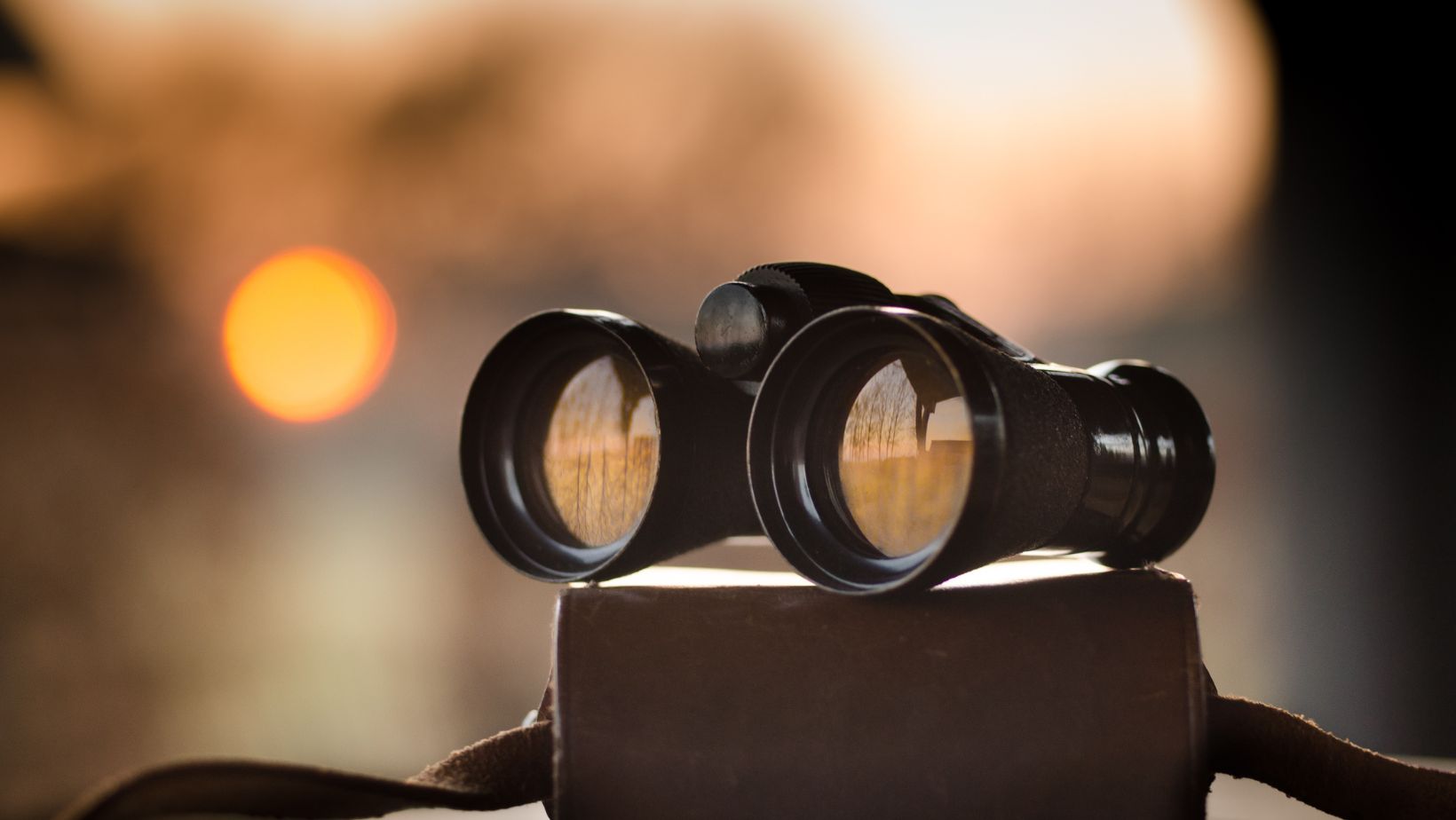
Try the “stick and move” technique:
- Focus on one area for 8–10 seconds
- Check different depths: foreground, midground, background
- Then, slowly shift to a new section
Use the Light to Your Advantage
Lighting can totally change what you see.
- Golden hours (early morning & late afternoon): Best times to spot active animals
- Midday: Focus on shaded areas where animals might hide from the sun
- Good binoculars with high-light transmission will help in dim or shadowy spots
Don’t Let Weather Stop You
Sometimes, less-than-perfect weather can actually make viewing better.
- Light rain: Reduces glare and gets animals moving
- Fog: A great test for your optics. High-quality lenses shine here
- Wind: Brace yourself against a tree or rock for steady viewing
Know Your Habitat Hotspots
Where you look matters just as much as how you look.
- Forests: Focus on edge zones where open areas meet trees
- Mountains: Check multiple elevations and rocky outcrops
- Wetlands: Watch where water meets land, especially where plant types change
Each environment has its own sweet spot for sightings.
- e halfway and pause. This reduces shake and gives you a steadier view
Use the Right Gear (It’s Not Just About the Binoculars)
Accessories can make a huge difference.
- A harness distributes weight better than a neck strap
- Always carry a lens cleaning kit. Even a tiny smudge can mess up your view
- A tripod with a fluid head is perfect for steady, extended watching from one spot
- Beyond binocular-specific gear, it’s also smart to think about protecting your essentials when out in the field. Smartphones often double as mapping tools, note-takers, and backup cameras, so keeping them safe matters. Durable options like Ghostek cases for iPhone 17 Air provide shock protection and weather resistance, ensuring your device stays secure while you focus on spotting wildlife or capturing scenic moments.
The real secret to spotting wildlife isn’t just great binoculars; it’s patience.
Give nature a chance to show off by slowing down and settling in. Let the forest, field, or mountain come alive around you.
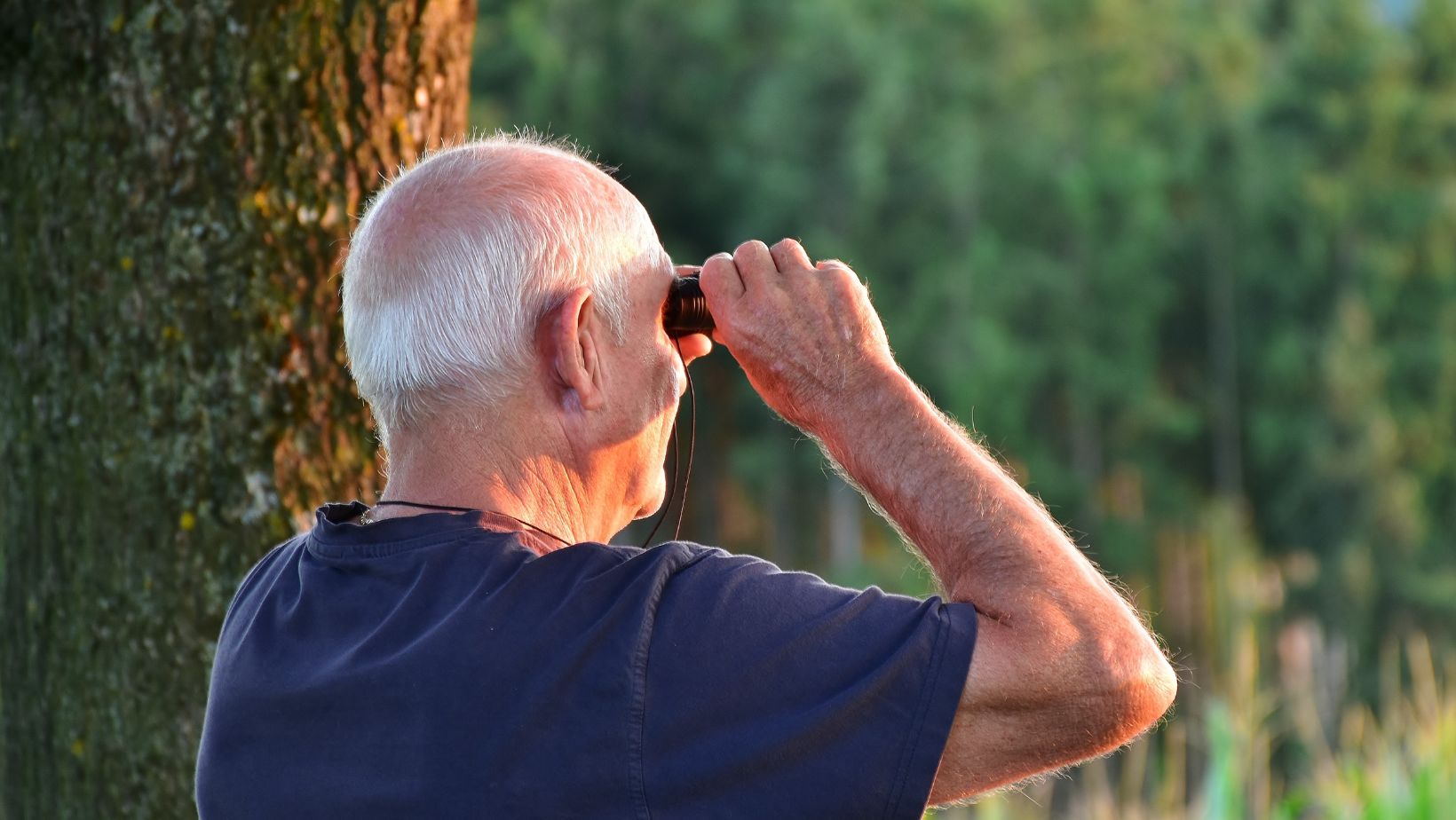
Because once you master the little things, you’ll start to notice the big wonders, like the flick of a fox’s tail or the soaring flight of an eagle that others miss.
So next time you head out, remember: Take your time. Breathe. Look. And let nature reveal itself to you.