
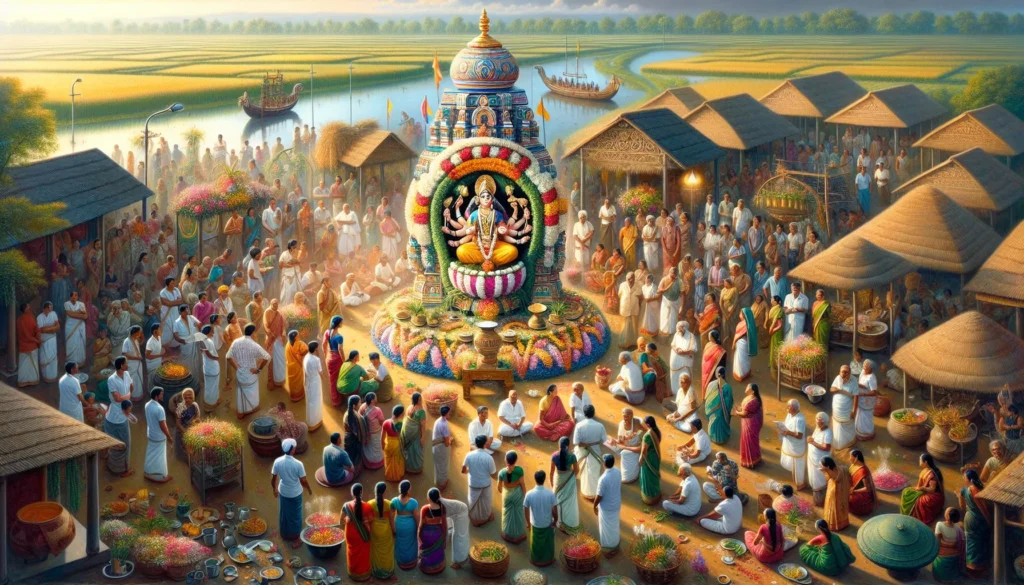
Have you ever wondered if there’s a celestial being watching over us, especially when it comes to matters of fertility and protection? Enter Gowthalamma, a beloved goddess enveloped in mythology and tradition. She’s not just a deity: she’s a lifeline for many communities, a protective figure who’s as powerful as she is nurturing. From ancient stories to vibrant worship practices, we’ll dive deep into the compelling world of Gowthalamma, exploring how she influences lives and local cultures. Get ready to be captivated.
The Mythology Behind Gowthalamma

In the heart of Indian folklore lies the captivating story of Gowthalamma. According to legend, she descended from the heavens to protect women during childbirth and ensure their fertility. Born to the mighty god Shiva and the nurturing goddess Parvati, she embodies the duality of strength and compassion. This divine origin sets the stage for her role as a guardian of mothers and farmers alike.
One of the most popular tales involves Gowthalamma defeating a sinister demon who threatened the village’s crops and families. She didn’t just save the day: she made sure that her devotees felt her protective embrace for generations to come. Her mythology isn’t merely historical: it’s a living narrative, influencing how we perceive motherhood, agriculture, and community well-being.
Cultural Significance and Worship Practices
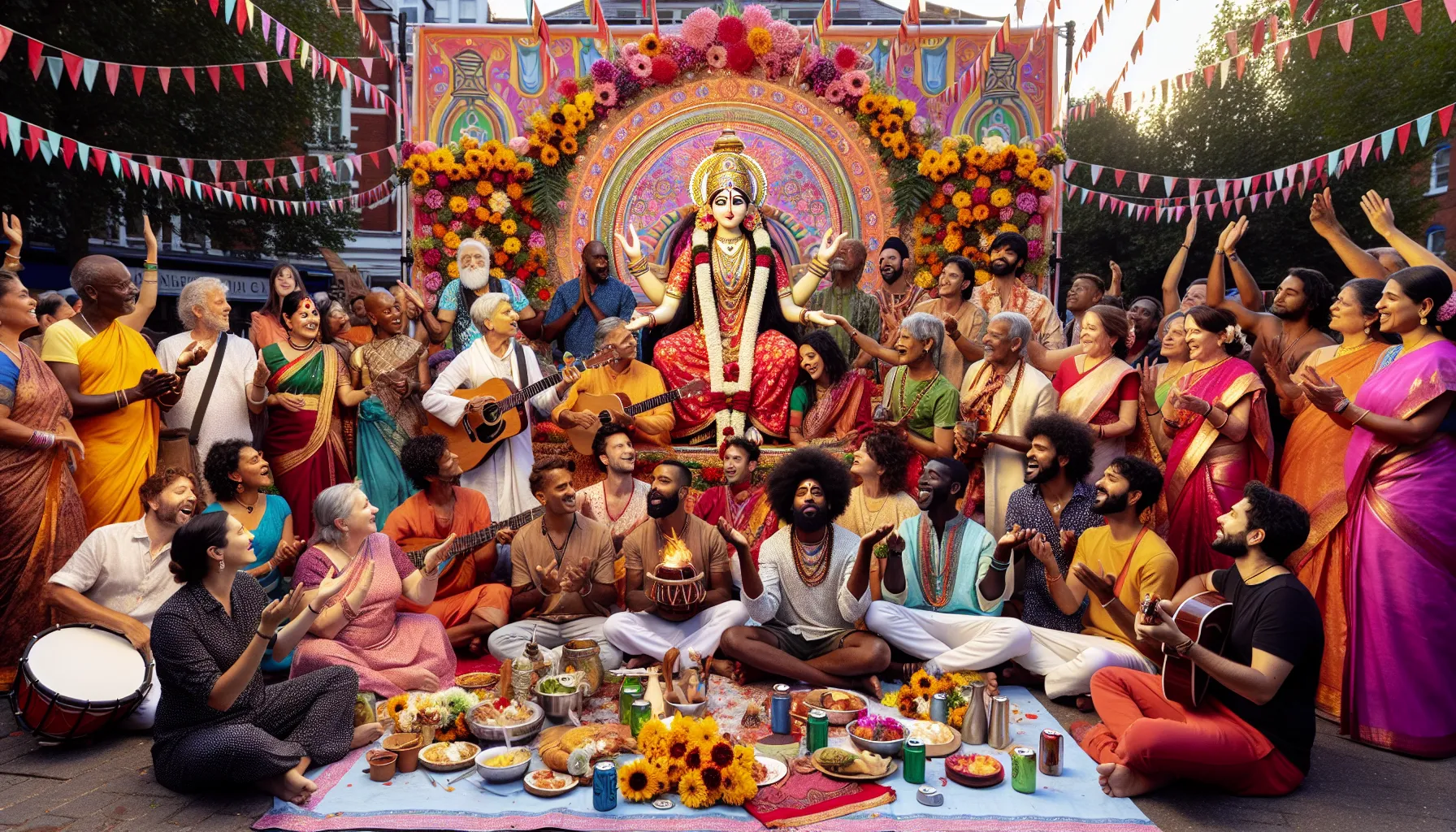
Gowthalamma is a cornerstone of community life in many regions. Every year, villages gather to celebrate her with elaborate rituals. These aren’t just any ceremonies: they’re a beautiful blend of music, dance, and heartfelt devotion that unite people regardless of their backgrounds. Often, we partake in singing folk songs that extol her virtues, creating an atmosphere bursting with joy and hope.
Goddess worship can take various forms, from offerings of fresh produce to the intricate decoration of her idols with vibrant flowers. Each act carries deep meaning, reflecting our gratitude for her blessings and the collective spirit of community bonding. During special festivals, the atmosphere becomes electric, showcasing the cultural richness that Gowthalamma inspires in our lives.
Temple Traditions and Celebrations
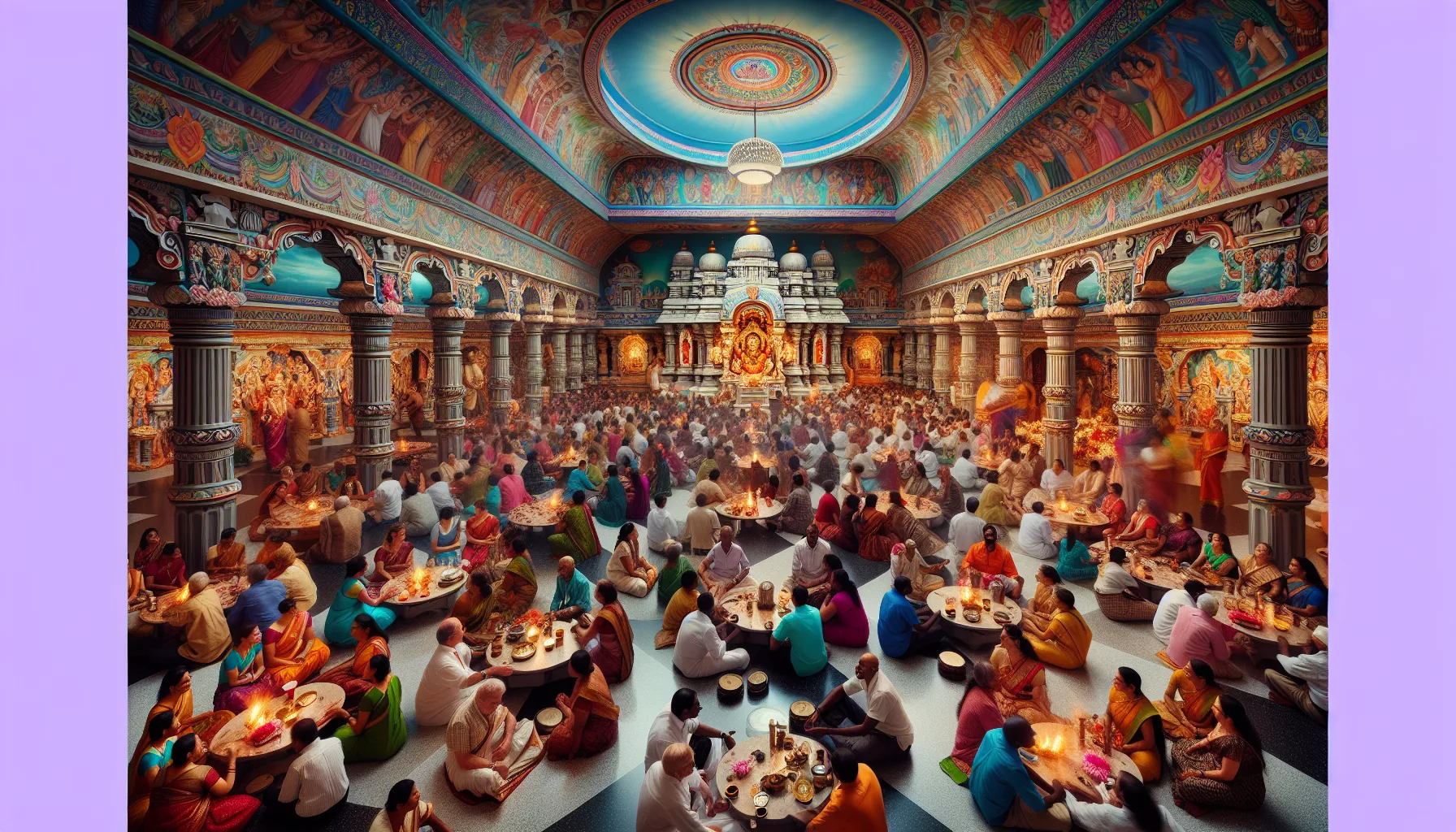
Visiting a Gowthalamma temple feels like stepping into a realm of reverence and spirituality. These sacred spaces, often adorned with intricate carvings and beautiful frescoes, serve as gatherers of faith. Temples perform daily rituals, and during festival times, the energy truly peaks. We witness colorful processions, accompanied by drumming and chanting, bringing the community together in celebration.
One of the most anticipated events is the annual ‘Mela,’ where devotees congregate for prayers, blessings, and a bit of festive cheer. It’s a time when the air is filled with the scent of incense, and the sound of laughter and devotion resonates. In these moments, we not only fortify our faith but also deepen our connections with each other. What an uplifting experience.
These temple traditions not only enhance our spiritual lives but also promote a sense of belonging.
gowthalamma
Legends and folklores surrounding Gowthalamma have emerged as tales told from generation to generation. We often hear stories of miraculous interventions where she cured sickness or protected homes in times of dire need. One famous legend features a farmer who, in a moment of despair, prayed for a bountiful harvest. Gowthalamma appeared in his dreams, guiding him to new agricultural techniques that transformed his fortunes.
These stories create a tapestry of cultural significance, allowing us to find hope and inspiration in our challenges. Each folklore is laced with moral lessons, teaching us about courage, responsibility, and the immense power of collective faith. The reliance on these narratives reflects how deeply they resonate with our everyday struggles.
Impact on Local Communities and Agriculture
Gowthalamma’s influence extends far beyond the realm of spirituality: it seeps into the very fabric of agriculture. As she is associated with fertility, many farmers in our communities hold her in high regard. Through her blessings, crops flourish, and the rain gods are appeased, securing livelihoods.
Community agricultural practices often include rituals dedicated to her, which fosters collective responsibility. Each planting season, we gather to uplift our spirits and ensure a good harvest, emphasizing unity. By intertwining her with our agricultural customs, we are not just nurturing our crops: we’re nurturing relationships and resilience. So, Gowthalamma’s impact can be seen as a cycle of abundance that benefits everyone.