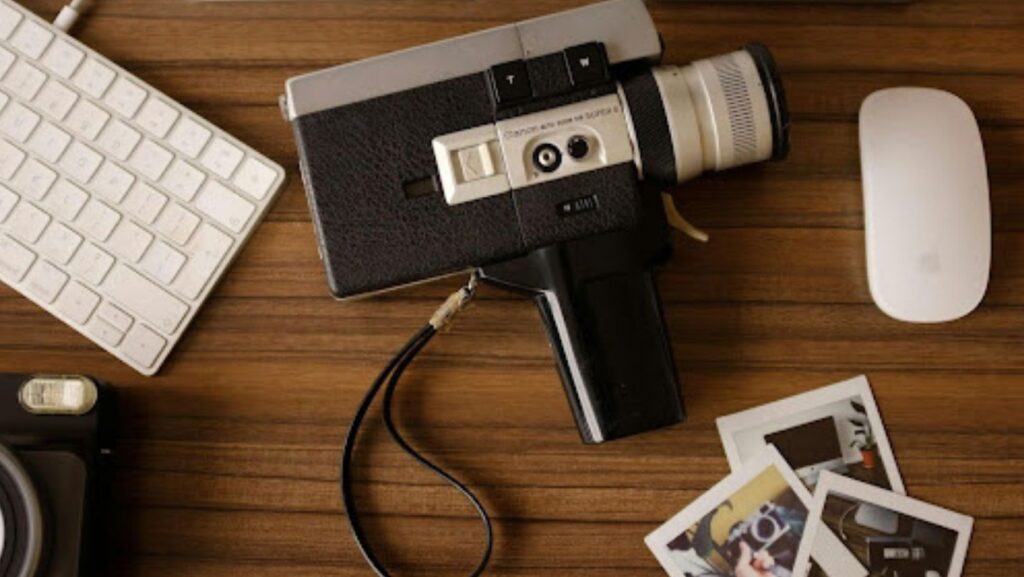
Most people don’t realize how much they’ve recorded until they stop recording. Old travel footage tends to sit untouched for years. MiniDV tapes in a drawer. Early phone videos backed up somewhere you never open. At the time, those videos felt ordinary. You filmed because you were there, because something looked nice, and because it felt worth saving. Then life moved on. What changes later are not the videos. It’s you. Preserving old travel footage is less about archiving places and more about holding onto versions of yourself that no longer exist in quite the same way. The person who filmed that clip had different priorities, different fears, different ideas about what mattered. Watching it back can feel strangely intimate. Sometimes comforting. Sometimes bittersweet. And some parts of videos can feel awkward, even. Those mixed emotions are often what give the footage its lasting value.
Why You Should Be Preserving Old Travel Footage
Old travel footage does not remain stable just because it is stored away. Physical tapes degrade over time. Digital files created on older devices can become difficult or impossible to open as formats and hardware change. Footage that once played without issue may lose sound, skip sections, or stop working altogether after years of inactivity.
This is usually discovered too late, when someone finally tries to revisit a trip they recorded long ago. The right tool can help you address that problem. Capture transfers aging travel footage into current digital formats so it can still be accessed years later, rather than relying on original media that continues to deteriorate. The process itself is technical, but its purpose is simple: keeping recorded material usable instead of letting it fade through neglect or incompatibility.
But instead of focusing on the mechanics of digitization, it helps to understand why preserving old travel footage carries so much emotional weight in the first place.
Travel Footage Captures the Parts Photos Miss
Photos freeze moments. Video records everything around them.
The way people talked before posing. The background noise you didn’t notice at the time. A laugh that didn’t make it into the still image. A street performer whose name you never learned. Your own voice, sounding younger than you expect.
Those details matter more as time passes.
When people think about preserving old footage, they often focus on quality. Resolution. Color. Whether the image still looks “good.” Emotional value comes from something else entirely. It comes from movement, sound, and context.
You remember how hot it was that day because you heard the cicadas, how tired you felt because the camera wobbles while you walk. You also remember who you were traveling with, even if you no longer speak, because their voice shows up off-screen.
That kind of recall doesn’t happen with photos alone.
Videos Feel More Personal Over Time
There’s a reason people feel oddly emotional watching footage they forgot they had.
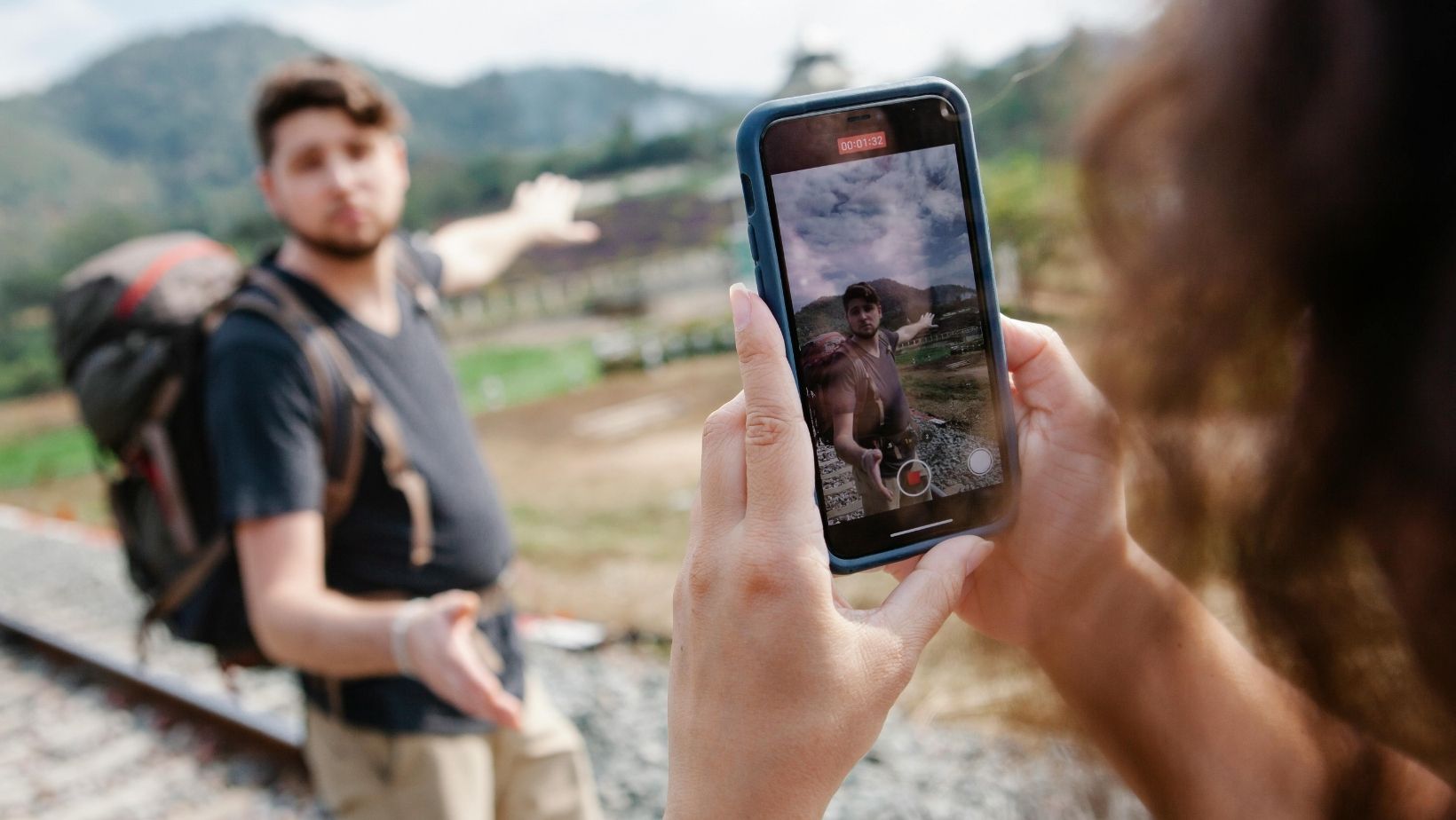
Travel videos were rarely staged. They caught people between moments. Waiting for trains, walking back to hotels, sitting quietly at cafés, filming nothing in particular.
Years later, those “nothing” moments carry weight.
They show how you moved through the world when you weren’t trying to document it, how you dressed, how you reacted to small inconveniences, how you filled a quiet time.
This is also why people hesitate before revisiting old footage. It can feel vulnerable. You’re watching a version of yourself that didn’t know who you’d become.
Revisiting Old Memories With a Different Perspective
When you filmed those trips, you weren’t thinking about future nostalgia.
You were tired. Jet-lagged. Slightly annoyed that it was raining. Excited about dinner plans. Focused on logistics. The camera came out quickly, then went away.
Rewatching later creates a strange gap. You know how that trip ends. You know what happened afterward. The person on screen does not.
That contrast is part of what makes the footage emotionally charged.
You see yourself before a big life change, before a relationship ended, before responsibilities piled up, and before certain places stopped being accessible. The footage becomes a marker, even if it wasn’t intended to be one.
Preserving old travel footage gives you the option to revisit those markers on your own terms, instead of losing them quietly to technical decay.
Shared Memories Don’t Stay Shared Forever
Travel often involves other people. Friends. Family. Partners. Groups that don’t always remain intact.
Old footage becomes one of the few places where those shared experiences still exist exactly as they were.
You might not remember who suggested that detour. The video shows it. You might not remember how relaxed everyone seemed. The video makes it obvious. You might not even remember being that close to certain people. The footage doesn’t forget.
This is especially true for footage involving parents, siblings, or older relatives. Voices change. Mannerisms fade. Travel videos preserve how people interacted when no one thought preservation mattered.
The Emotional Value Grows Slowly
The emotional value of travel footage doesn’t spike right away. It accumulates.
In the first few years after the travel adventure, the memories are still fresh. You don’t need the video. You remember the hotel. The food. The route you walked every morning. You remember being happy. The footage shows you were also tired, impatient, curious, and distracted. More human than memory tends to allow.
Ten or fifteen years later, memory gets less cooperative. In fact, research in cognitive psychology shows that memory is reconstructive, not fixed. Over time, we smooth over details, fill in gaps without realizing it, and lose sensory context. Video, especially with sound and movement, preserves details the brain lets go of. It confirms things. Corrects others. Adds texture.
That realism is comforting. It reminds you that joy and discomfort always existed side by side.
Preserving Footage Is Also About Future Relationships
People often assume preservation is about the past. It’s also about the future.
Children watching their parents travel before they were born. Friends discovering versions of each other they never knew. Partners seeing trips they weren’t part of.
Old travel footage provides context. It explains stories that get told repeatedly. It grounds anecdotes in reality. Without preservation, those stories slowly flatten. Details get simplified. Personal histories shrink. Keeping footage accessible keeps those stories honest.
Why Preserving Old Travel Footage Is an Emotional Decision
At a technical level, preservation is straightforward. Convert. Store. Back up. Emotionally, it’s more complex. You’re deciding that certain versions of yourself deserve to remain accessible. Certain experiences, such as eating unique foods, matter even if they didn’t majorly change your life. That memory alone isn’t reliable enough.
Preserving old travel footage is a quiet form of self-respect. It acknowledges that who you were, where you went, and how you moved through the world still holds value. Not because it was extraordinary or carefully planned, but because it happened. And once that record disappears, there is no way to reconstruct it exactly as it was.