
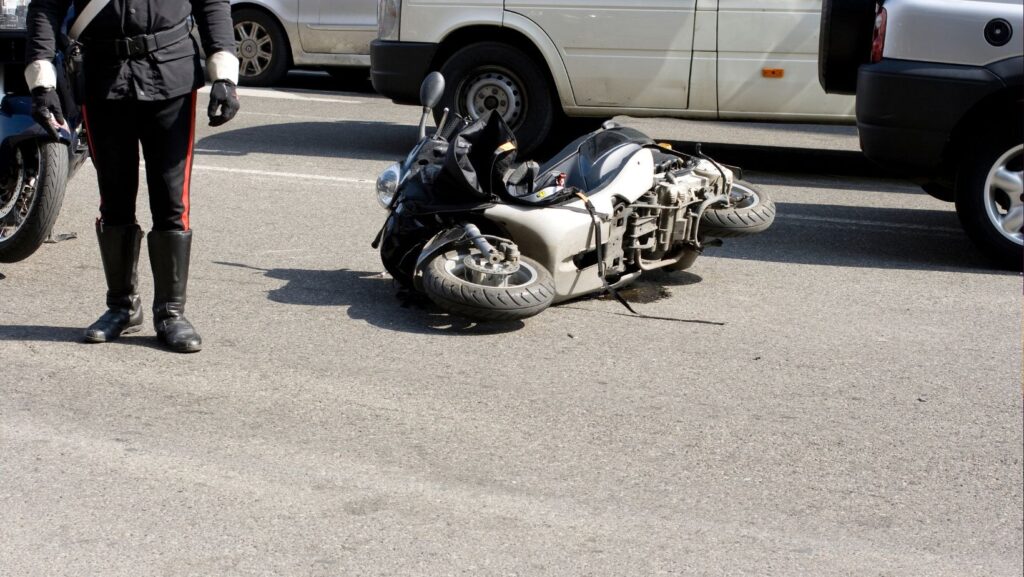
Unsafe U-turns can be very dangerous for motorcycle riders. Drivers need to slow down, judge distances, and watch for traffic, but rushing or misjudging speed can lead to crashes. Even low-speed collisions can cause serious injuries since motorcycles offer little protection.
These accidents are often preventable. Riders are usually visible and follow the rules, yet a driver may turn across their path unexpectedly. These crashes can lead to broken bones, brain injuries, and long-term disabilities. If you were hurt in a U-turn motorcycle accident, Panish | Shea | Ravipudi LLP can help investigate, gather evidence, and seek fair compensation for your injuries.
Why U-Turns Are So Risky For Motorcyclists
U-turns are complex driving maneuvers that require careful timing and space. Drivers must assess traffic behind them, in front of them, and sometimes in adjacent lanes. Many drivers make the mistake of focusing only on cars and failing to notice motorcycles, which are smaller and easier to miss at a quick glance.
Motorcycles also appear farther away than they actually are. Drivers may think a rider is “far enough” to complete the turn, but motorcycles can close the distance quickly, especially if a driver hesitates or turns slowly. The combination of misjudgment and a rider’s lack of protection is what makes these crashes so severe.
Common Ways Unsafe U-Turns Cause Motorcycle Crashes
Unsafe U-turns are especially dangerous for motorcyclists because riders have less protection and less time to react when a vehicle suddenly pivots across lanes. Common ways unsafe U-turns cause motorcycle crashes include:
- U-turns from the wrong lane: A driver attempts a U-turn from a lane that isn’t designed for it, often swinging wide and cutting into the rider’s lane.
- Failing to signal before turning: Without a turn signal or clear positioning, riders have little warning that a vehicle is about to pivot across traffic.
- Sudden wide turns across the rider’s path: Some drivers misjudge how much space they need and cross into oncoming lanes, directly into a motorcyclist’s line of travel.
- Intersection U-turns without yielding: A driver completes a U-turn at an intersection but fails to yield to oncoming motorcycles, cutting directly across the rider’s path.
- Misjudging speed or distance: Drivers often underestimate how fast motorcycles are approaching and mistakenly believe they have time to turn.
- Mid-block U-turns in busy areas: Shopping centers, parking lots, and residential streets are common locations where drivers abruptly decide to turn around outside of intersections.
- Unexpected slowing before turning: A driver may brake suddenly, slow to a near stop, then pivot across traffic, leaving riders behind with too little time to respond.
- Crossing multiple lanes at once: A driver may attempt to turn across several lanes, creating multiple collision points and limiting a rider’s escape route.
- Head-on or sideswipe threats for oncoming riders: A mid-block U-turn can place the turning vehicle directly into an oncoming rider’s lane with no safe space to avoid impact.
U-Turns Often Lead To “Left-Turn” Style Impacts
Many U-turn motorcycle accidents resemble classic left-turn collisions. A driver turns across traffic while the rider is traveling straight. These impacts can be catastrophic because they often hit the motorcycle’s side, throwing the rider onto the pavement or into the vehicle.
These crashes also happen fast. A rider may see a car slowing but not expect a sudden turn. Once the driver commits to the U-turn, the rider may have only seconds to react. Even skilled riders may be unable to avoid impact due to limited space and high closing speeds.
Where Unsafe U-Turn Motorcycle Crashes Commonly Happen
Some places are more likely to see U-turn crashes. Intersections with wide medians, multi-lane roads, and areas with lots of driveways often have problems. Shopping areas, tourist spots, and streets with heavy delivery traffic also see more U-turns, especially when drivers miss a turn or need to change direction.
Visibility is important. Poor lighting, heavy traffic, and clutter from signs and parked cars can make it hard for drivers to see motorcycles. Drivers may notice larger vehicles but miss riders, especially if a rider is coming from behind another car.
Why Drivers Claim They “Didn’t See The Motorcycle”
In U-turn cases, drivers often say they didn’t see the motorcycle. This may be because they didn’t check carefully, looked too quickly, or misjudged the bike’s speed. Some drivers also fail to use mirrors properly or do not look over their shoulder for blind spots.
This defense is common, but it doesn’t excuse negligence. Drivers have a duty to yield and make sure a turn is safe. A motorcycle’s smaller profile does not shift responsibility to the rider. If the driver failed to look properly or turned into the rider’s path, that can support liability.
Evidence That Helps Prove Fault In Unsafe U-Turn Cases
Evidence is critical in motorcycle claims because drivers may try to blame the rider. Police reports, witness statements, traffic camera footage, dashcam video, and nearby surveillance video can show how the U-turn occurred. Photos of vehicle position, skid marks, debris, and impact points also help establish where the crash happened.
Accident reconstruction experts may analyze the angle of impact, speed, braking distance, and line of travel. If the driver turned from the wrong lane or without signaling, that can often be supported by roadway markings and witness testimony. The faster evidence is preserved, the stronger the case usually becomes.
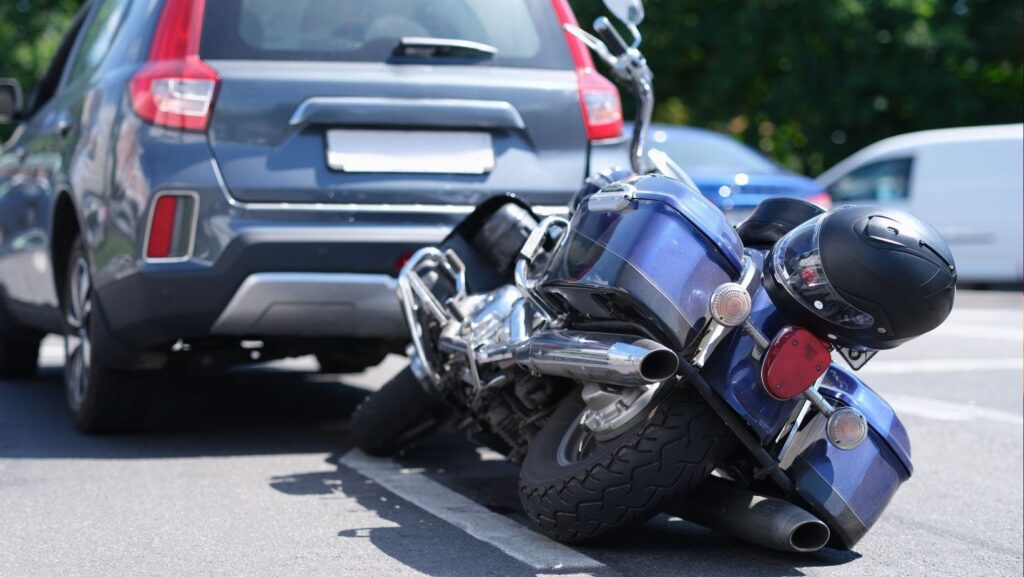
Injury Patterns From U-Turn Motorcycle Accidents
U-turn crashes often cause severe injuries because riders are thrown from the bike. Common injuries include fractures to the legs, arms, wrists, and ribs; shoulder injuries; spinal trauma; and traumatic brain injury. Road rash can also lead to infections and permanent scarring.
Lower-body injuries are especially common because the motorcycle is often struck near the front or side, crushing or twisting the rider’s legs. These injuries can require surgery, plates, rods, and long physical therapy. Some riders experience permanent mobility limitations and chronic pain.
Steps Riders Should Take After A U-Turn Crash
If you are able, get medical care immediately and document everything. Take photos of your injuries, your motorcycle, the vehicle that hit you, and the crash scene. Capture skid marks, debris, lane markings, and any nearby cameras. Get the names and contact information of witnesses, especially those who saw the driver make the U-turn.
Avoid discussing fault in a way that could be misunderstood. Riders often apologize instinctively even when they did nothing wrong. Insurance companies may use that against you. Focus on gathering facts, getting treatment, and preserving evidence while details are still clear.
Unsafe U-Turns Create Preventable, High-Impact Motorcycle Crashes
Motorcycle accidents from unsafe U-turns can be serious due to sudden lane changes and direct hits. These crashes often happen at intersections or mid-block, involving drivers who misjudge distance, don’t yield, or claim they didn’t see the motorcycle.
If you were injured, it’s crucial to show how the U-turn happened and why it was unsafe. Gather evidence quickly, keep strong medical records, and create a clear timeline to demonstrate fault and support your claim for compensation. Unsafe U-turns are preventable hazards that can change a rider’s life in seconds.