
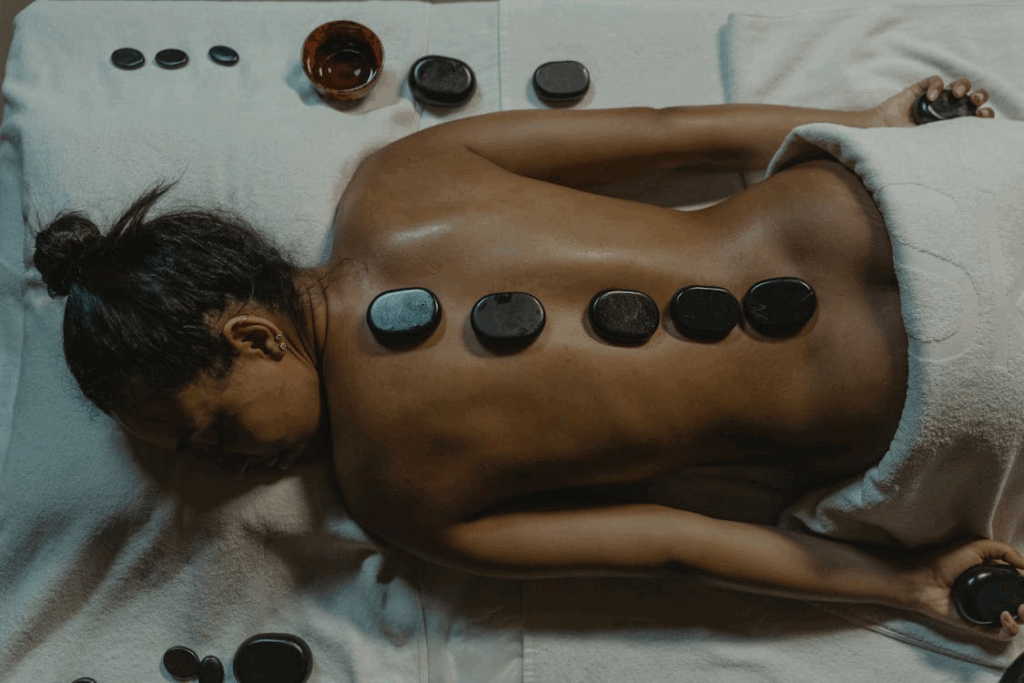
The rich tapestry of Asian massages represents thousands of years of accumulated wisdom about the human body, energy flow, and the profound connection between physical touch and overall wellness. Unlike Western massage traditions that primarily focus on muscular manipulation, Asian approaches view the body as an integrated system where physical, energetic, and spiritual elements intertwine. These time-honored practices offer therapeutic techniques that address not just surface-level muscle tension but deeper imbalances affecting overall health.
Understanding Asian bodywork requires appreciating its philosophical foundations. Traditional Asian medicine views illness and discomfort as manifestations of energy blockages or imbalances within the body’s meridian system. Practitioners work systematically to restore the natural flow of qi (life force energy), promoting healing that extends beyond immediate physical relief. This holistic perspective distinguishes Asian massage modalities from their Western counterparts and explains why many people report profound, long-lasting benefits.
The growing Western interest in Asian relaxation techniques reflects a broader cultural shift toward integrative wellness approaches. As stress-related health issues proliferate, people increasingly seek alternatives to pharmaceutical interventions. Whether you’re exploring Asian oil massage for its fluid, meditative qualities or investigating what is a Chinese massage to address specific health concerns, these practices provide accessible pathways to improved well-being.
Asian Bodywork – The Foundation of Energetic Healing
Asian bodywork encompasses a diverse family of therapeutic practices united by their focus on the body’s energetic systems. Unlike conventional massage that primarily addresses muscular and circulatory systems, Asian bodywork traditions recognize subtle energy channels called meridians that circulate vital life force throughout the body.
Core principles underlying Asian bodywork include:
- Meridian theory and energy pathways. Traditional Asian medicine maps twelve primary meridians through which qi flows. Each meridian connects to specific organs and body systems. When these pathways become blocked or imbalanced, symptoms manifest physically and emotionally. Asian massages work systematically along these meridians, using various techniques to clear obstructions and restore balanced flow.
- Qi cultivation and circulation. The concept of qi represents vitality, consciousness, and the animating force distinguishing living beings. Practitioners skilled in Asian bodywork understand how to assess qi quality through palpation and traditional diagnostic methods. Treatment strategies aim to supplement deficient qi, disperse excessive accumulations, and guide energy to areas requiring nourishment.
- Yin-yang balance. Health requires dynamic equilibrium between complementary opposites. Yin represents cooling, nourishing, and calming qualities, while yang embodies warming, activating, and energizing aspects. Asian relaxation techniques consider whether conditions stem from excess or deficiency, then apply appropriate methods to restore balance.
- Five Element correspondences. Chinese medicine associates five elemental energies (Wood, Fire, Earth, Metal, Water) with specific organs, emotions, seasons, and meridians. Practitioners recognize patterns of imbalance related to elemental disharmony and select techniques addressing root causes rather than isolated symptoms.
Asian Style Massage – Key Modalities and Techniques
Asian style massage encompasses numerous distinct modalities, each with unique characteristics, techniques, and therapeutic applications. While all share foundational concepts about energy and holistic health, they differ significantly in their approaches.
Major Asian massage modalities include:
- Thai massage traditions. Often called “lazy person’s yoga,” Thai massage combines acupressure, assisted stretching, and rhythmic compression. Practitioners use hands, elbows, knees, and feet to apply pressure along energy lines while guiding recipients through passive yoga-like stretches. Sessions occur on floor mats with clients fully clothed. This dynamic modality particularly benefits those with flexibility limitations and chronic stiffness.
- Shiatsu techniques. This Japanese modality translates as “finger pressure” and involves systematic pressure application along meridians using thumbs, fingers, palms, and elbows. Shiatsu practitioners assess energy quality through touch, then apply sustained pressure to specific points requiring attention. The technique emphasizes perpendicular pressure and practitioner body weight rather than muscular force.
- Balinese massage approaches. Combining elements of Indian Ayurveda, Chinese acupressure, and Indonesian folk medicine, Balinese massage uses long flowing strokes, skin rolling, and firm pressure along meridians. This Asian oil massage style incorporates aromatic oils and focuses on circulation improvement and deep relaxation.
- Korean techniques. Traditional Korean massage incorporates vigorous manipulation, stretching, and pressure application. Some approaches emphasize percussion techniques and joint mobilization alongside meridian work. For professional services, 광주 출장마사지 provides experienced therapists offering authentic Korean massage techniques in the Gwangju area, with outcall services available for hotels and residences.
Pressure intensity varies considerably across traditions. Thai massage and some Chinese techniques can be quite vigorous, occasionally producing temporary discomfort as blockages release. Asian oil massage styles generally employ smoother, flowing techniques that feel less intense but achieve significant therapeutic depth.
What is a Chinese Massage – Principles of Tui Na
What is a chinese massage is a question many Westerners ask when first encountering this powerful therapeutic tradition. The term most commonly refers to Tui Na, which translates as “push-grasp” and represents one of the four main branches of Traditional Chinese Medicine alongside acupuncture, herbal medicine, and qi gong.
Fundamental Tui Na principles include:
- Diagnostic assessment. Trained Tui Na practitioners begin sessions with comprehensive assessments including pulse reading, tongue observation, and palpation of affected areas. This diagnostic process identifies patterns of disharmony according to Traditional Chinese Medicine theory, informing treatment strategies. Unlike relaxation massage, Tui Na addresses specific diagnosed conditions with targeted therapeutic interventions.
- Hand techniques and manipulation. Tui Na employs over 40 distinct hand techniques including rolling, pressing, rubbing, grasping, and percussion. Practitioners select techniques based on diagnostic findings and treatment goals. Some techniques focus on moving qi and blood along meridians, while others target specific points or release muscular tension.
- Treatment of specific conditions. Unlike general relaxation massage, Tui Na practitioners target specific health conditions including digestive disorders, respiratory issues, headaches, insomnia, and chronic pain syndromes. Treatment protocols vary based on condition patterns, with some requiring vigorous stimulation while others need gentle approaches.
The therapeutic intensity of Tui Na surprises many first-time recipients expecting gentle relaxation. However, this powerful approach produces significant results for chronic conditions that haven’t responded to gentler interventions.
Asian Oil Massage – Integrating Fluidity with Pressure
Asian oil massage represents techniques that combine traditional meridian-based bodywork with the flowing, gliding strokes enabled by oil application. Many modalities incorporate therapeutic oils to facilitate smooth movements and enhance treatment effects.
Key characteristics include:
- Enhanced circulation and warmth. Oil application combined with flowing strokes significantly increases circulation, bringing fresh blood and oxygen to tissues while removing metabolic waste. The friction generated produces warming effects that relax muscles, ease stiffness, and promote Asian relaxation.
- Aromatic and herbal infusions. Many Asian oil massage traditions incorporate essential oils or herbal-infused carriers selected for therapeutic properties. Sesame oil has warming and nourishing qualities, while coconut oil provides cooling effects. Aromatic additions like ginger or lemongrass offer additional benefits through transdermal absorption and aromatherapy.
- Flowing meridian work. Oil enables practitioners to perform long, continuous strokes along entire meridian pathways. This flowing approach feels deeply meditative and relaxing while still addressing energetic imbalances. The continuous contact helps recipients enter profound relaxation states where healing occurs most effectively.
Different Asian style massage traditions incorporate oils in varying ways. Ayurvedic Abhyanga involves generous oil application with rhythmic strokes. Balinese massage uses oils more sparingly while maintaining fluid movement quality.

Asian Relaxation – The Holistic Benefits
Asian relaxation extends far beyond simple stress relief, encompassing profound effects on physical health, emotional well-being, and energetic balance. The holistic nature of Asian massages means benefits accumulate across multiple body systems simultaneously.
Comprehensive benefits include:
- Stress reduction and nervous system regulation. Asian special massage techniques activate parasympathetic nervous system responses, counteracting chronic stress patterns. Regular treatments help reset stress response systems, improving resilience and reducing stress-related symptoms like anxiety, insomnia, and digestive disturbances.
- Pain management and inflammation reduction. By addressing both structural issues and energetic imbalances, Asian bodywork effectively manages chronic pain conditions. Improved circulation, reduced muscle tension, and balanced energy flow collectively diminish pain signals while supporting tissue healing.
- Enhanced immune function. Traditional Asian medicine recognizes strong connections between energy flow and immune capacity. Asian massages that improve qi circulation support immune system function, potentially reducing illness frequency and severity.
- Improved sleep quality. The profound relaxation states induced by Asian relaxation techniques often produce immediate improvements in sleep quality. Beyond temporary effects, regular treatments help regulate circadian rhythms and address underlying imbalances contributing to insomnia.
- Emotional balance and mental clarity. Asian healing traditions recognize that emotions and physical health are inseparable. Energetic blockages often have emotional components, and their release during bodywork can trigger emotional processing. Many recipients report feeling emotionally lighter and mentally clearer following Asian special massage sessions.
The cumulative effects of regular Asian massages often prove more significant than individual session benefits. Consistent treatment allows practitioners to work progressively deeper, addressing root imbalances rather than just managing surface symptoms.