
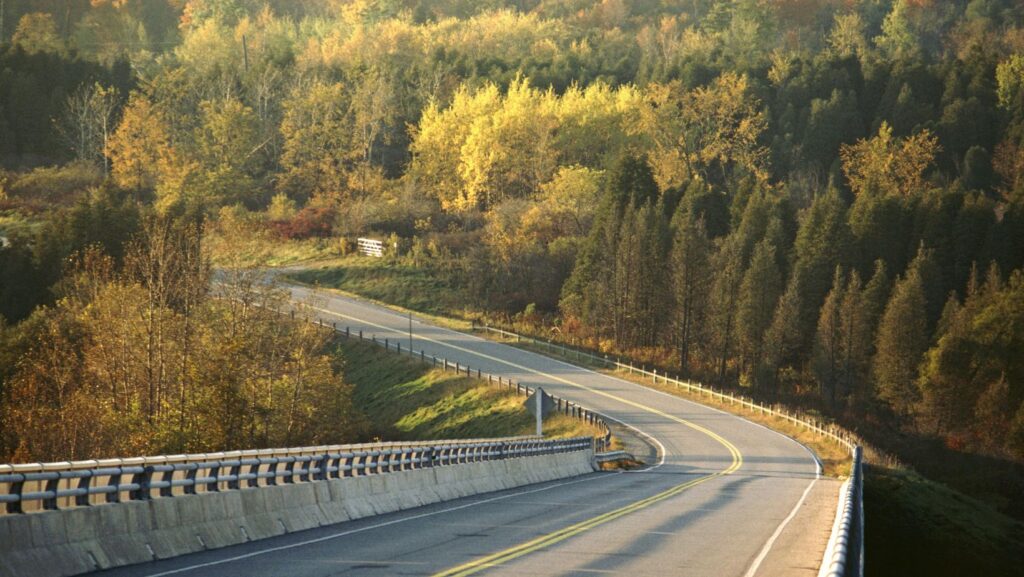
Northern Ontario’s Canadian Shield landscapes and boreal forests are emerging as a top destination for “radio-silent” travel, where cell service disappears and nature replaces city noise. Fueled by the digital detox movement, a new wave of intentionally off-grid accommodations has taken hold. These stays go beyond rustic charm, offering secluded cabins and architectural retreats designed for solitude and a full mental reset.
Finding Balance in the Wilderness
While the goal is to disconnect, the human brain often craves a bit of excitement during the evening hours. After a long day of hiking through the Algoma Highlands or paddling the French River, some visitors find that a short session of gaming helps them wind down. Many travelers use their satellite-enabled devices to access Spin City, allowing them to play their favorite slots online and engage in casino games even from the most remote locations. This blend of total isolation and controlled access to premium entertainment ensures that the silence never feels like a burden.
TOP 5 Radio-Silent Stays Reviewed
Finding a location that offers both high-end comfort and a complete lack of cellular reception requires careful curation. The following list highlights the diverse types of structures available for those seeking a “radio-silent” experience:
- Architectural Marvels: High-concept glass and timber designs.
- Eco-Conscious Pods: Off-grid living with a minimal footprint.
- Aquatic Escapes: Floating accommodations accessible only by water.
- Aerial Sanctuaries: Treehouses that provide a unique perspective.
- Heritage Conversions: Repurposed historical structures in the deep bush.
These selected destinations have been vetted for their architectural uniqueness and their commitment to providing a sanctuary from the digital grid. Whether you are looking to reconnect with nature or simply disappear for a weekend, these stays represent the gold standard in remote hospitality.
The Boreal Glass House
The Boreal Glass House is a masterclass in minimalist design, engineered to blur the line between interior comfort and the rugged wild. This stunning structure features floor-to-ceiling windows that offer 360-degree views of the surrounding dense forest, ensuring that the landscape is the only “content” you consume during your stay. With no neighbors for miles, the privacy is absolute, allowing guests to watch the movement of the stars and the local wildlife without any electronic interference.
Killarney Mountain Eco-Pods
Nestled on the edge of the striking white quartzite cliffs of Killarney Provincial Park, these autonomous pods are designed for the environmentally conscious traveler. Utilizing advanced solar power and composting systems, they provide a comfortable stay that leaves no trace.
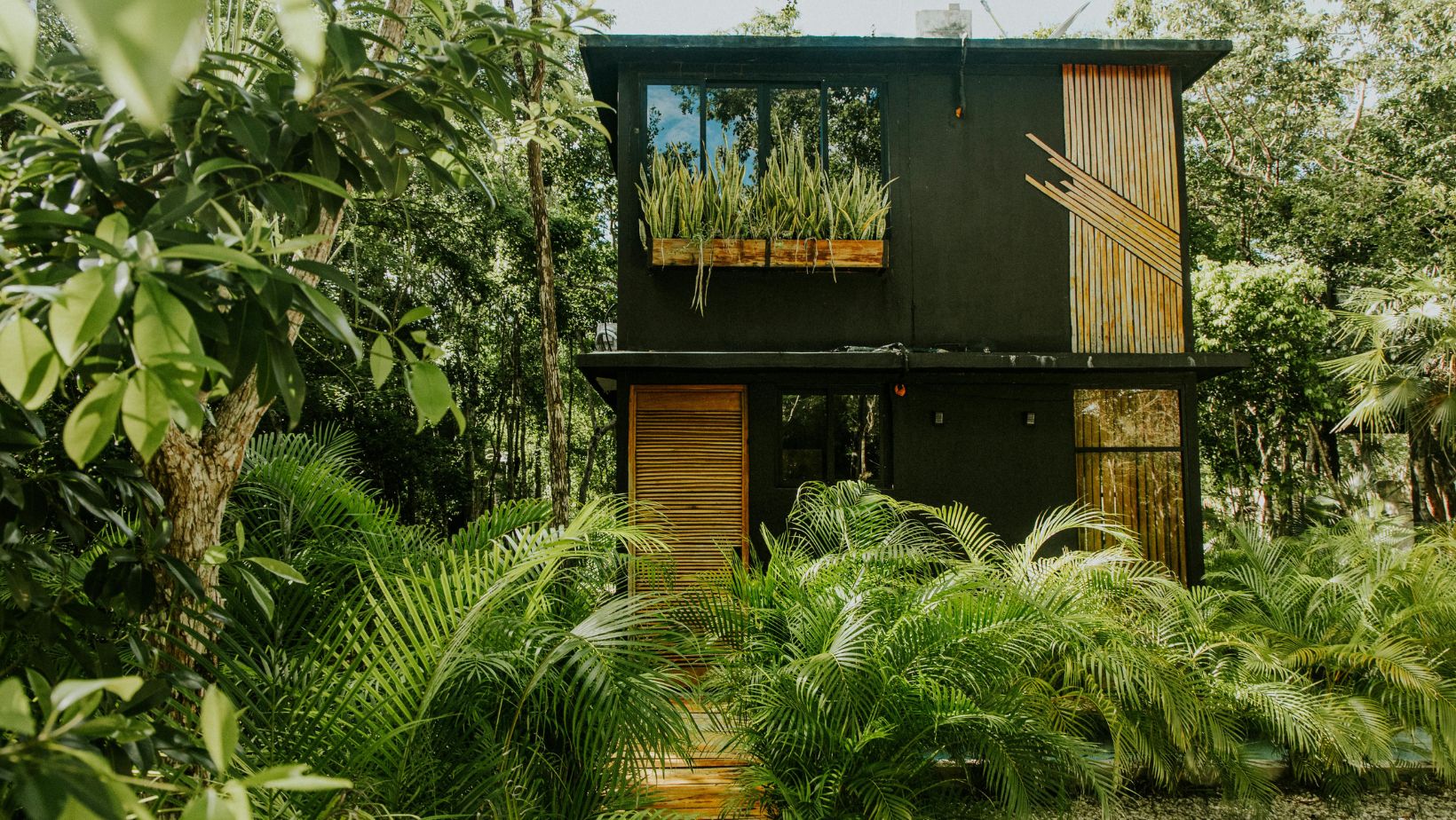
The geographic positioning against the cliffs naturally shielded these units from nearby signals, making them a premier choice for a deep digital detox in one of the most iconic landscapes in the region.
The Floating Cabin of Lake Temagami
For those who find peace in the water, the Floating Cabin of Lake Temagami offers an unparalleled sense of detachment. Accessible only by boat, this cabin allows you to drift in the middle of a massive, ancient lake, far beyond the reach of the nearest cell towers. The rhythmic lap of waves against the hull replaces the hum of electronics, creating a meditative environment where the only schedule is dictated by the rising and falling of the sun.
Temiskaming Treehouses
Built high into the forest canopy, the Temiskaming Treehouses offer a bird’s-eye view of the wilderness that few ever experience. These stays are engineered to sway gently with the trees, providing a rhythmic, calming atmosphere. Located in a natural topographical depression, these treehouses suffer from zero cellular reception, ensuring that your time spent among the leaves remains uninterrupted by the outside world.
The Algoma Caboose
The Algoma Caboose is a dream for history buffs and solitude seekers alike. This converted railway caboose sits on a private, decommissioned track deep in the bush, accessible only by specialized transport or a lengthy hike. It combines the rustic charm of 20th-century rail travel with the necessities of a modern off-grid retreat. Surrounded by miles of untouched timberland, it offers a stationary journey into the heart of silence.
The Psychology of the Digital Detox
Science suggests constant device “pings” keep cortisol elevated, causing chronic stress and fragmented attention. Entering a radio-silent zone helps the nervous system downregulate, and many travelers report a rebound in creativity and better sleep after 48 hours without screens—driving Ontarians to choose remote, floatplane- or trail-access cabins over five-star resorts. In the North’s electromagnetic quiet, reflection is easier, though the shift can feel jarring, so balance matters.
Preparing for an Off-Grid Adventure
Going off-grid takes more than a backpack—it requires a self-reliant mindset. Bring a physical map, know basic first aid, and be ready for the forest at night. While many “radio-silent” stays offer an emergency satellite phone, you’ll be effectively off the map. Pack durable, high-quality gear that doesn’t need recharging, like a mechanical watch, analog camera, and paperback books. Without modern distractions, you can focus on what matters: a warm fire, lake-water coffee, and the clarity of true solitude.