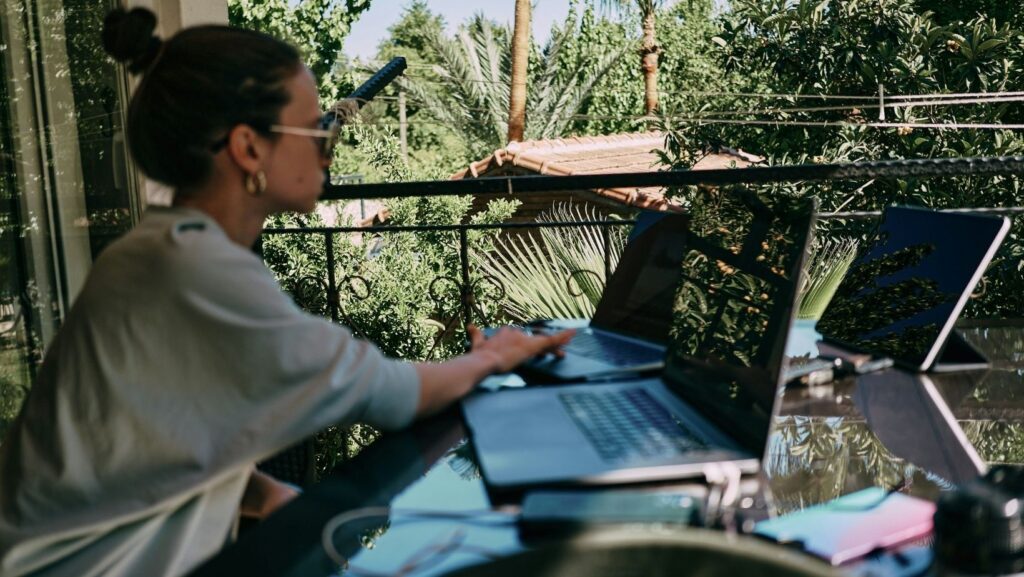
According to MBO Partners, 18.1 million American workers described themselves as digital nomads in 2024, and this was an increase of 4.7% from 2023 and over 147% since 2019. It’s evident that more and more people are turning away from traditional jobs and doing remote work instead, as it offers more freedom and flexibility.
However, the advantages come with some drawbacks, including complicated tax and property issues. To avoid such problems, you should educate yourself, starting with whether digital nomads can own a home base in 2026.
Assess Feasibility Across Regions
The good news is that owning a home base as a digital nomad in 2026 is more feasible than ever. However, it’s highly dependent on the region.
For example, several countries now offer digital nomad visas, and many offer pathways to residency. This makes semi-permanent living increasingly viable.
In lower-cost regions like Latin America or Southeast Asia, buying property outright is more realistic due to lower price-to-income ratios. But in contrast, Western Europe may be more expensive and requires higher income thresholds with significantly higher housing costs, but it offers stability, infrastructure, and residency pathways.
Ultimately, you have to look at three factors:
- Cost of living vs. your remote income
- Long-term visa/residency options
- Access to financing (e.g., bank statement loans)
Visa, Tax, and Legal Considerations for Owning Property Abroad
Most countries fall into three tax categories:
- No local tax
- Optional tax regimes
- Full tax residency after ~183 days
So you should note that staying over 183 days can trigger full tax residency. In addition, some visas allow property ownership but not local employment. You also have to be aware of double taxation treaties.
What’s more important is that many nomad visas now include longer durations (1-5 years) and even residency pathways. This means that making a home base is more practical now than in the past. However, legal compliance is still one of the biggest risks.
Renting vs. Buying: Flexibility, Equity, and Lifestyle Tradeoffs
You can make a home base by either renting or buying, and it’s less about finances and more about lifestyle design.
If you rent, you’ll have lots of flexibility to relocate quickly. There are lower upfront costs and fewer legal hurdles, and there’s easier alignment with short-term visas.
Buying a property can give you long-term stability, as well as equity building. This gives you a psychological “anchor,” especially if you’re a frequent traveler. Plus, there’s potential rental income from this property when you’re not using it.
Financing, Income Proof, and Building a Sustainable Low-Impact Base
While getting a mortgage as a digital nomad is possible, it’s more complex.

Lenders are increasingly accepting non-traditional income, but they need strong documentation, such as:
- Bank deposits and 3-6 months of statements
- Freelance contracts, invoices, or 1099-style income records
- Tax returns or proof of assets/dividends
You should also make sustainability upgrades, like:
- Solar panels
- Smart home tech
- Low-impact materials
Choosing a solar energy company Singapore can help nomads create efficient, low-impact home bases with renewable power
Have a Home Base as a Digital Nomad
It’s possible to have a home base as a digital nomad in 2026. It may be tougher than having a traditional home, but there are many avenues to make it happen.
Browse our other pages now for more interesting articles.