

Have you ever found yourself sweating through a restless night in your caravan, wishing for a cool breeze that never comes? Or maybe you’ve shortened a journey because the heat within your mobile home was just intolerable.
Comfort is a critical luxury when discovering the great outdoors on the move. That is where the right air conditioning system makes a difference.
But with so many varieties and technical details to consider, how do you select the optimal one?
This detailed guide will cover everything you need to know about caravan air conditioners — from learning about climate requirements to selecting a model that meets your particular requirements.
Continue reading to discover key tips prior to making that crucial buying decision.
- Understanding Climate Demands and Why the Right Unit Matters
Varied landscapes have diverse temperature ranges — from the blistering outback sun to warm, humid coastal areas.
If you’re planning longer trips through these areas, the interior of your caravan can rapidly become stifling without an air conditioner. This is where a caravan air conditioner is no longer an amenity but a travel necessity.
Without it, not only does comfort suffer, but high humidity can lead to condensation issues inside the van. Think about how much you will be traveling in a given environment, and choose an air conditioner that will operate under certain environmental conditions.
Units that can withstand extreme heat and are built for use in a mobile environment ensure that your travels are not only memorable but also as comfortable as possible. It’s not simply about remaining cool — it’s about maintaining a livable, healthy environment on the move.
- Types of Caravan Air Conditioners: Which One is Right for You?
Navigating the different categories of air conditioning systems can be daunting, but knowing the main types can be helpful.
The two main classifications are rooftop units and built-in (under-bench) units. Built-in units are popular because they save space inside the vehicle and offer even air distribution throughout the caravan.
The units are, however, limited to the rigid roof load requirements and roof hatch dimensions. Built-in models, on the other hand, are optimally suited for caravans with pop-top roofs because of their installation and height restrictions.
These models are also advantageous because the installation is out of sight. The drawback is their limited airflow to larger caravans and the space they can occupy.
Both of these types have pros, so your decision should be based on the caravan layout and space on board, along with your travel preferences. Consider the design of your caravan and make the decision for the air conditioning system that best fits your requirements.
- Power Supply and Energy Efficiency: Plan for Off-Grid Adventures
Understanding the power requirements for a caravan air conditioning unit is very important. Powered campsites are best served by air conditioners that require a 240V power outlet, as they are easier to power.
If you prefer off-grid camping, you will need to strategize carefully. This is a must for either generator or inverter-powered air conditioning units, especially those that are paired with a reliable battery system.
Also, this is where energy efficiency comes into the picture. Look for units with inverter technology equipped with variable speed compressors; they adjust the cooling output to match the demand, resulting in less power consumption.
Efficient models not only alleviate stress on the supplied power, but they also reduce battery or fuel consumption in lengthy trips. Meeting your power system requirements with your air conditioning unit ensures that you will not run into challenges in remote locations with low power supply.
- Cooling Capacity: Matching Size with Performance
It’s tempting to think that bigger is better when it comes to air conditioning, but that’s not always the case. The cooling capacity, measured in kilowatts (kW) or British Thermal Units (BTU), needs to be matched to the size of your caravan for optimal performance.
An undersized unit will struggle to cool the space, working overtime and consuming more energy without achieving comfort. On the other hand, an oversized air conditioner can cycle on and off too frequently, leading to inefficient operation and inconsistent temperatures.
Factors like insulation quality, window size, and the number of occupants also influence your cooling needs. A general rule of thumb is that caravans up to 5 meters require around a 2.0kW unit, while larger vans over 6 meters may need something in the range of 3.0kW or more.
Choosing the correct capacity ensures balanced cooling performance, energy efficiency, and a longer lifespan of your air conditioner.
- Noise Levels and Comfort: Don’t Overlook Acoustic Performance
When you’re parked in a serene natural setting, the last thing you want is the persistent hum of a noisy air conditioner disrupting the peace.
Noise levels are often an underestimated factor when purchasing a caravan air conditioner, but they can significantly affect your overall comfort. Look for models specifically designed with quiet operation in mind.
Units with multi-speed fans and sound-dampening technology offer flexible performance, allowing you to choose quieter settings during the night without sacrificing cooling effectiveness.
Additionally, under-bench models tend to be quieter inside the van, but may not distribute cool air as uniformly as rooftop systems. The key is to strike a balance between cooling efficiency and noise control.
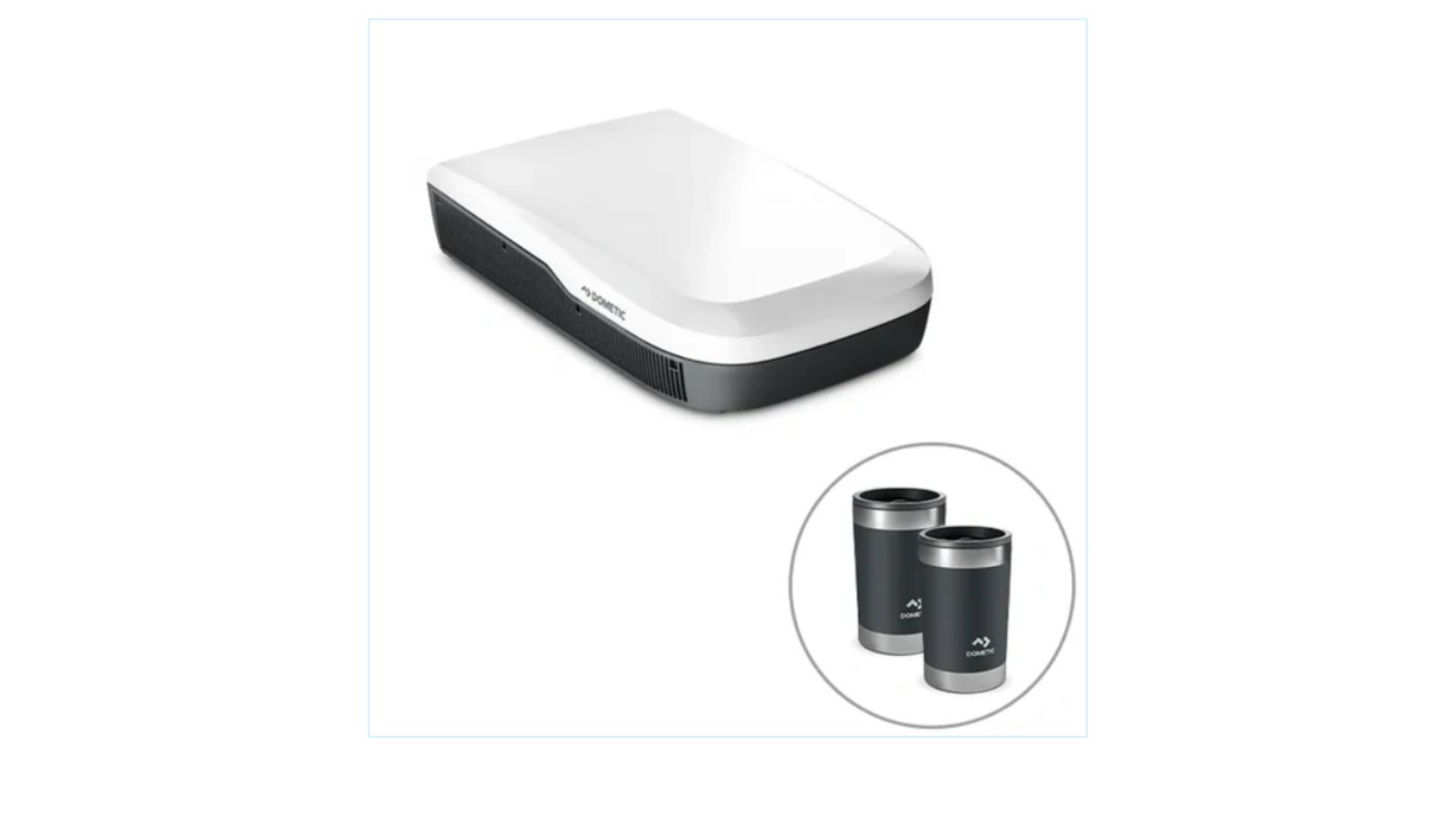
Reading product specifications and user reviews regarding decibel levels during operation will give you a clear picture of what to expect. After all, comfort isn’t just about temperature—it’s about creating a relaxing environment wherever you park.
- Installation Considerations: DIY or Professional Fitment?
While some caravan owners may be tempted to undertake the installation of an air conditioning unit themselves, it’s important to consider the complexities involved.
Rooftop units often require precise roof modifications, sealant application, and electrical wiring that needs to meet safety regulations. Improper installation can lead to water leaks, inefficiencies, or even damage to the caravan structure.
On the flip side, under-bench models involve routing ductwork and careful placement for optimal airflow. Engaging a professional installer ensures that the unit is securely fitted, correctly wired, and operates at peak performance.
Though this adds to the initial cost, it safeguards your investment in the long term. A professional fitment also often includes a warranty on the workmanship, offering peace of mind.
Weigh the installation requirements of your chosen unit against your own technical skills and always prioritize safety and durability over cutting corners.
Conclusion
Now that you’re equipped with the essentials, choosing the perfect caravan air conditioner becomes less daunting and more exciting.
Remember, it’s not just about beating the heat — it’s about enhancing every journey with comfort, efficiency, and peace of mind.
Consider your travel style, caravan layout, and power needs carefully, and you’ll enjoy cool, refreshing adventures wherever the road takes you.
Make your next trip your coolest one yet!