
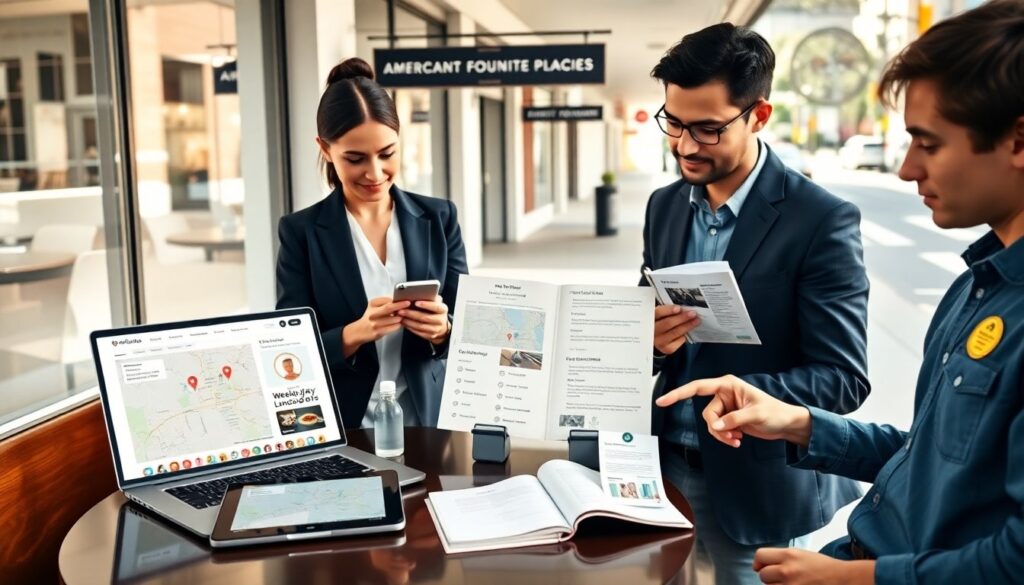
#myfavouriteplaces.org connects people with local restaurants, parks, shops, and services. The site collects short reviews, photos, and maps. It helps users find places they will like. This guide explains what the site offers and how users can use it to find and share local spots quickly and easily.
Key Takeaways
- @myfavouriteplaces.org connects users with local restaurants, parks, shops, and services through authentic reviews, photos, and maps.
- The platform highlights independent businesses and public spaces by relying on local residents’ practical tips and recent reviews for accurate rankings.
- Users can easily navigate the site using search, filters, maps, and themed collections to quickly find places matching their preferences.
- Contributors add and edit listings with clear descriptions and photos, helping maintain a trustworthy and up-to-date database.
- Community moderation and a rewards system encourage active and accurate contributions, benefiting both users and local businesses.
- Sharing features enable users to quickly recommend favorite local spots via social media, email, or messaging.
What @myfavouriteplaces.org Is And Why It Matters
What @myfavouriteplaces.org does is list local places with clear information. The site shows names, addresses, hours, photos, and short reviews. It highlights independent businesses and public spaces that large platforms may miss. Local residents write many of the entries. They add practical tips such as parking spots, quiet times, and menu favorites.
Why @myfavouriteplaces.org matters is simple. It helps people spend time well. Users find places that match their taste and schedule. Small business owners gain local visibility without heavy ad budgets. The site values honesty. It lets readers see real photos from visitors. It lets readers compare a few nearby options quickly.
The platform uses simple signals to rank places. It favors recent reviews, frequency of visits, and clear photos. It shows a short score and a count of people who recommend the place. The site also groups entries into themes like “coffee near work” or “playgrounds for toddlers.” These groups help readers scan choices fast. Community moderators check entries for accuracy. They remove duplicate or misleading listings. The system keeps the database useful and current.
How To Navigate The Site: Search, Filters, Maps, And Collections
Users open @myfavouriteplaces.org and enter a search term or a location. The search box accepts place names, categories, or streets. The site returns a short list with thumbnails and scores. Users can sort results by distance, rating, or newest entries.
The filters on @myfavouriteplaces.org let users refine results. Users can choose open now, family friendly, wheelchair access, price range, and outdoor seating. Each filter shows how many places match. Users can combine filters to narrow choices fast.
The map view on @myfavouriteplaces.org shows pins for matching places. Users zoom and pan the map. They click a pin to open a brief card with hours and a link to the full listing. The map updates when users change filters or draw a custom area.
Collections let users group places they like. Users create a collection and add places with one click. They can mark collections as private or public. Public collections help other readers discover themed lists such as “weekday lunch spots” or “hidden picnic areas.” Users can follow public collections to get updates when the list changes.
The site also supports quick sharing. Each place has share buttons for email, text, and social media. Users can copy a short link or send a place card to friends. The interface keeps actions direct so users spend less time clicking and more time exploring.
How To Add, Edit, And Curate Places — Tips For Contributors
People add places to @myfavouriteplaces.org by creating a free account. The add form asks for name, address, category, hours, and one photo. Contributors should write a short description that states what the place offers and who will like it. Short practical notes work best. For example: “Quiet cafe with power outlets and single-origin espresso.” or “Small playground with shaded benches for caregivers.”
Editors verify new entries. Contributors can upload one clear photo and one interior photo. Contributors should choose a recent photo. The site accepts standard image formats and checks file size automatically.
To edit a place, a contributor opens the listing and selects Edit. The form shows fields for each attribute. Contributors update hours, add seasonal notes, and correct typos. Each edit logs who made the change and when. This log helps moderators and other users trust the data.
Curators build collections and invite others to contribute. They can set simple rules such as photo quality and review length. Curators should aim for consistent descriptions and clear tags. Tags help the site match places to searches more accurately.
Good contribution practices help the whole community. Contributors should confirm hours before adding them. They should avoid duplicated listings and merge similar entries when they spot them. They should write first-hand notes and flag misleading content. The site rewards active contributors with badges and stronger edit privileges. This reward system keeps listings accurate and useful for everyone.