
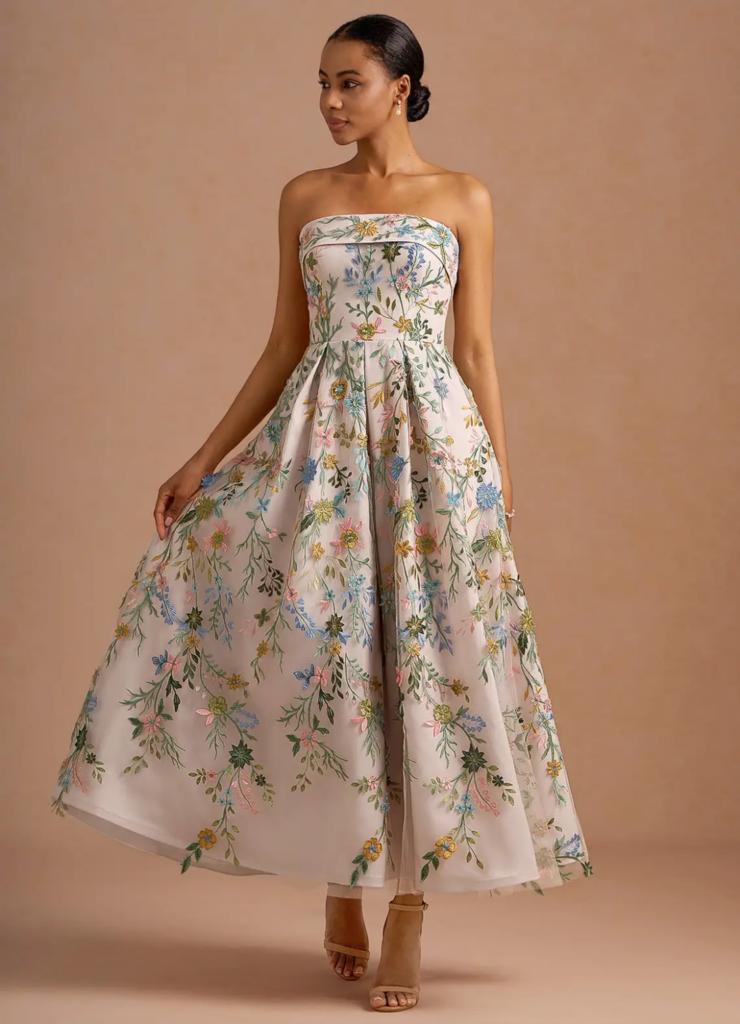
Choosing between a gown and a cocktail dress can feel overwhelming. The line between the two is blurry especially when the invite says “formal” without further detail. This guide helps you decode dress codes and choose the right look with confidence.
What Actually Separates a Gown from a Cocktail Dress?
The most straightforward difference is length. A gown typically sweeps the floor or grazes the ankle. A cocktail dress lands anywhere from the knee to mid-thigh. But length alone doesn’t tell the whole story.
Fabric, silhouette, and embellishment all play a role. A floor-length satin dress signals black tie. A knee-length sequined piece can be just as formal at the right event.
Key differences at a glance:
| Feature | Evening Gown | Cocktail Dress |
| Length | Floor to ankle | Knee to mid-thigh |
| Fabric | Satin, chiffon, velvet | Crepe, lace, structured knit |
| Occasion | Galas, black tie, military balls | Cocktail parties, semi-formal dinners |
| Silhouette | A-line, column, ballgown | Fit-and-flare, sheath, wrap |
| Embellishment | Beading, sequins, train | Minimal to moderate |
How to Read a Dress Code (Without Guessing)
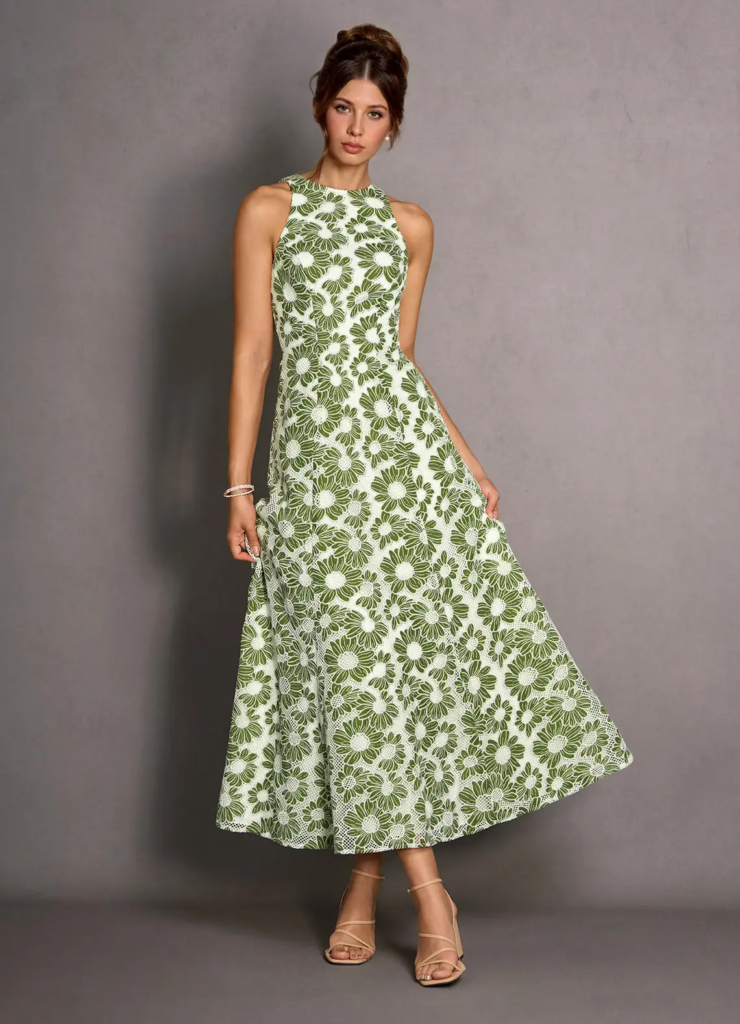
Dress codes exist to help guests but they often create more confusion. Here is a simple breakdown of what each term actually expects.
Black Tie
This is the most formal dress code outside of white tie. Long formal dresses are the expected choice. Floor-length gowns in rich fabrics like velvet or satin are ideal here.
Formal / Black Tie Optional
You have flexibility. A floor-length gown is appropriate, but a sophisticated midi or elegant short formal dress works just as well. Focus on fabric quality and refined styling.
Semi-Formal / Cocktail Attire
This is the sweet spot for cocktail dresses. Knee-length and midi options are both acceptable. Avoid anything too casual or too embellished.
Festive or Holiday Formal
Rich colors, sparkle, and bold silhouettes belong here. Sparkly formal dresses or deep jewel tones are a strong choice for holiday galas and year-end parties.
When to Choose a Gown
Some events simply call for a gown. Here are the clearest signals:
- The invitation says black tie or white tie
- The venue is a hotel ballroom, opera house, or grand hall
- The event is a military ball or charity gala
- Other guests are likely to be dressed at a high level
When a Cocktail Dress Is the Smarter Choice
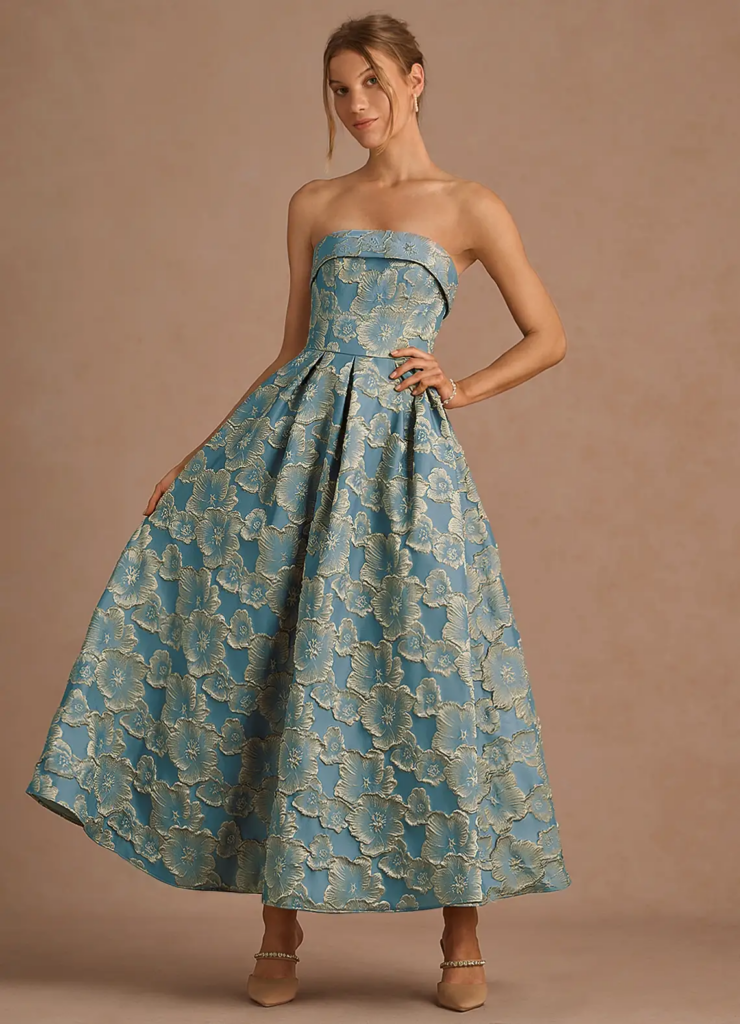
Cocktail dresses are not a lesser option they are often the more versatile and practical one. Choose a cocktail dress when:
- The event is semi-formal or the dress code is ambiguous
- The venue is outdoors, rooftop, or garden-style
- You want ease of movement throughout a long evening
- The event mixes cocktail hour with a seated dinner
Midi formal dresses occupy a powerful middle ground. They offer the elegance of a longer silhouette without the formality of a full gown.
The Grey Area: Midi and Tea-Length Options
The real grey area in formal dressing lives between the knee and the ankle. Midi and tea-length dresses blur the line between cocktail and gown territory and that is exactly what makes them so useful.
A tea-length dress with a structured bodice reads as very formal. The same silhouette in a lighter floral print shifts toward garden party. Fabric and finish do the heavy lifting here.
Best midi and tea-length situations:
- Afternoon galas and daytime formal events
- Indoor weddings where a full gown feels excessive
- Cultural events where modest coverage is preferred
- Multi-event days that require one dress to travel well
Choosing by Event Type
| Event | Recommended Length | Style Notes |
| Black Tie Gala | Floor-length | Satin, velvet, or sequin |
| Military Ball | Floor-length | Classic silhouettes, rich colors |
| Formal Wedding (Guest) | Midi or Maxi | Avoid white; go for jewel tones |
| Prom / Homecoming | Maxi or Mini | Bold color, expressive style |
| Cocktail Reception | Knee to Midi | Refined and polished |
| Corporate Awards Night | Midi or Maxi | Understated elegance |
Sleeve and Neckline Choices That Affect Formality
The right sleeve or neckline can elevate a cocktail dress to gown-level formality or make a gown feel more relaxed. Consider these details carefully.
Long sleeve formal dresses project refinement and work beautifully for winter galas or conservative venues. They also photograph with a timeless quality.
Strapless and one-shoulder styles lean glamorous. They suit ballrooms, award ceremonies, and evening receptions where a bolder silhouette is welcome.
High necklines like a mock neck or cowl add architectural interest. They work especially well for modern formal events where minimalism is celebrated.
Color Strategy for Formal Events
Color is one of the most powerful tools in formal dressing. Here is how to approach it by occasion:
For galas and black-tie events: Deep, saturated colors carry the most weight. Navy, emerald, burgundy, and black all project authority and elegance. Black formal dresses remain the single most versatile choice in a formal wardrobe.
For weddings as a guest: Avoid white entirely. Dusty rose, sage, powder blue, and champagne are safe and flattering. Avoid anything too bright or distracting.
For prom and homecoming: This is the right time for bold color. Hot pink, royal blue, and vivid red all work. Let your personality lead.
For semi-formal events: Softer palettes blush, lavender, soft gold photograph beautifully and feel appropriately polished without overdressing.
Final Thought
The gown vs. cocktail dress decision comes down to reading the room literally. Start with the dress code, consider the venue, and then let your personal style lead. Whether you choose a floor-length gown or a polished cocktail silhouette, the right dress is the one that makes you feel completely at ease and entirely yourself.
Azazie offers a wide selection of formal dresses and evening gowns in sizes 0–30. With modern silhouettes, rich colors, and made-to-order options, each design is created to help you feel confident and event-ready.