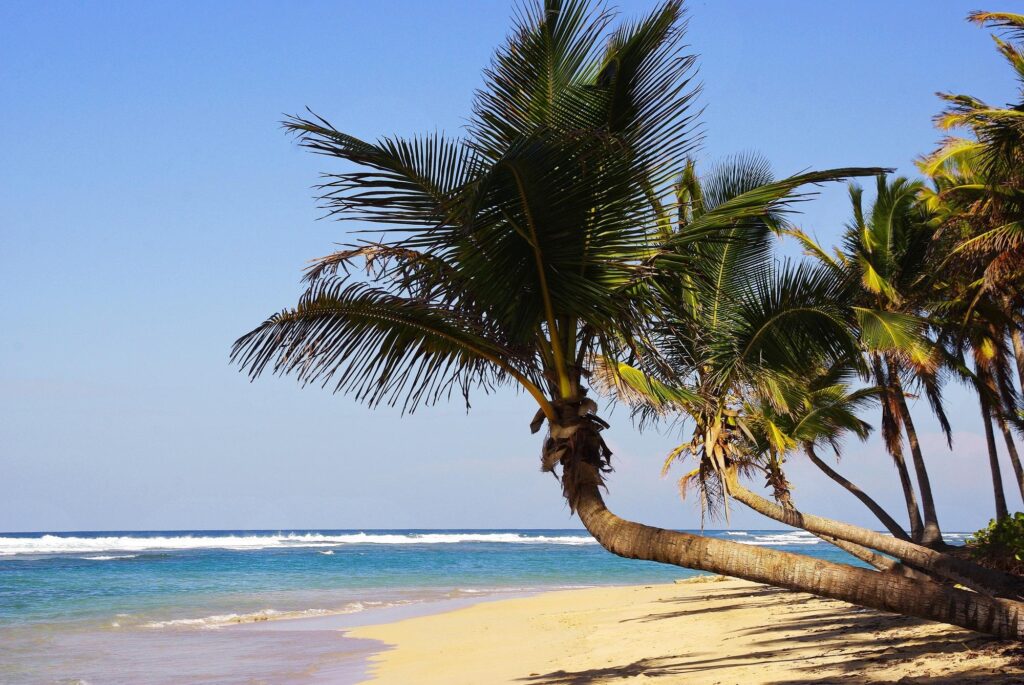
For many modern travellers, the true magic of exploring the world isn’t found in overcrowded landmarks, long queue times at famous photo spots, or souvenir shops selling identical trinkets.
Instead, genuine travel fulfillment lies in the quieter corners of the globe where life moves at a gentler, more natural rhythm. It is in these places that scenic landscapes, vibrant local traditions, rich histories, and regional culinary arts weave together to create meaningful, long-lasting memories.
Stepping slightly off the main tourist trail doesn’t mean sacrificing comfort or ease. Instead, it opens the door to deeper immersion, unexpected conversations, and a genuine sense of discovery.
Here are six extraordinary destinations around the world that offer stunning natural beauty, rich cultural insights, and unforgettable travel experiences.
1. Kerala, India: Slower Coastal Travel and Lush Waterways
Affectionately known across the globe as “God’s Own Country,” Kerala offers a striking, soothing contrast to the fast-paced energy found in northern India’s bustling Golden Triangle.
Tucked neatly along the southwestern Malabar Coast, this tropical haven is defined by thousands of miles of interconnected, palm-fringed backwaters, rolling emerald tea plantations in the Western Ghats, and pristine coastal stretches where fishermen still use massive, historic Chinese fishing nets.
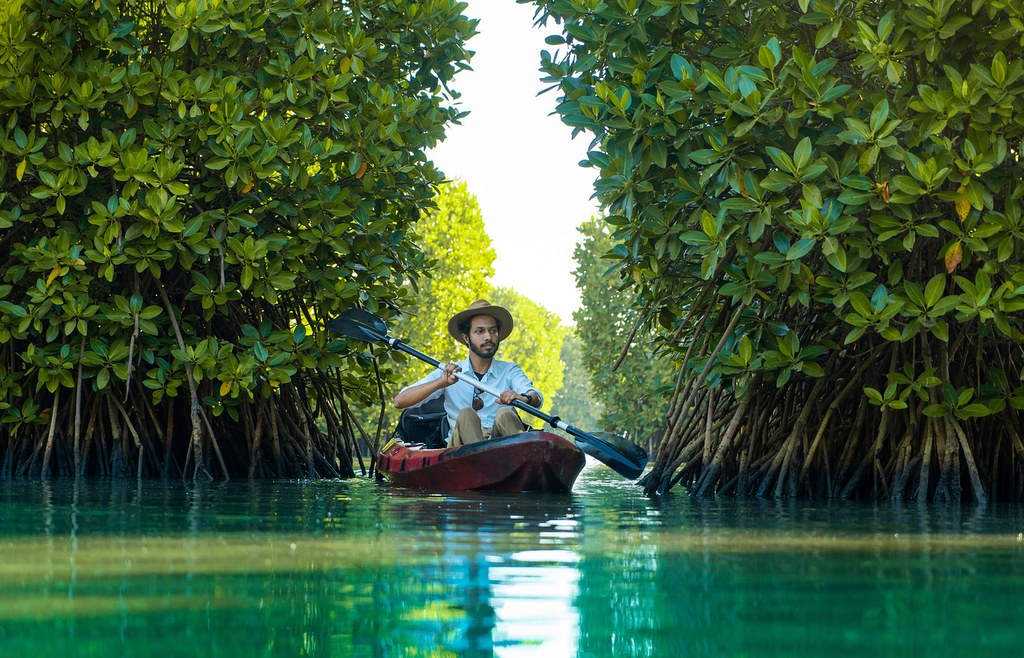
A quintessential highlight of any journey through Kerala is spending a few quiet days drifting through the serene inland canals aboard a traditional kettuvallam, a converted historic rice barge crafted from natural wood and bamboo. As your boat glides past water lilies and coconut groves, you’ll watch authentic village life unfold naturally along the riverbanks: children swimming, local artisans at work, and women tending to roadside spice gardens.
Beyond its tranquil waterways, Kerala is an absolute feast for food lovers. The region’s culinary tradition relies heavily on fresh coconut, curry leaves, mustard seeds, and fresh seafood. Be sure to try karimeen pollichathu (pearl spot fish marinated in aromatic spices and baked in banana leaves) washed down with fresh coconut water.
Kerala is also the birthplace of Ayurveda, a traditional healing system that offers holistic wellness treatments and rejuvenation therapies that date back over 3,000 years. If you’re looking for true rest and relaxation, visit Kerala to seek out these restorative therapies.
Travel Tip: Plan to stay in Kerala between October and March for pleasant weather and cool coastal breezes.
2. Langkawi, Malaysia: Rainforests, Waterfalls, and Relaxed Island Life
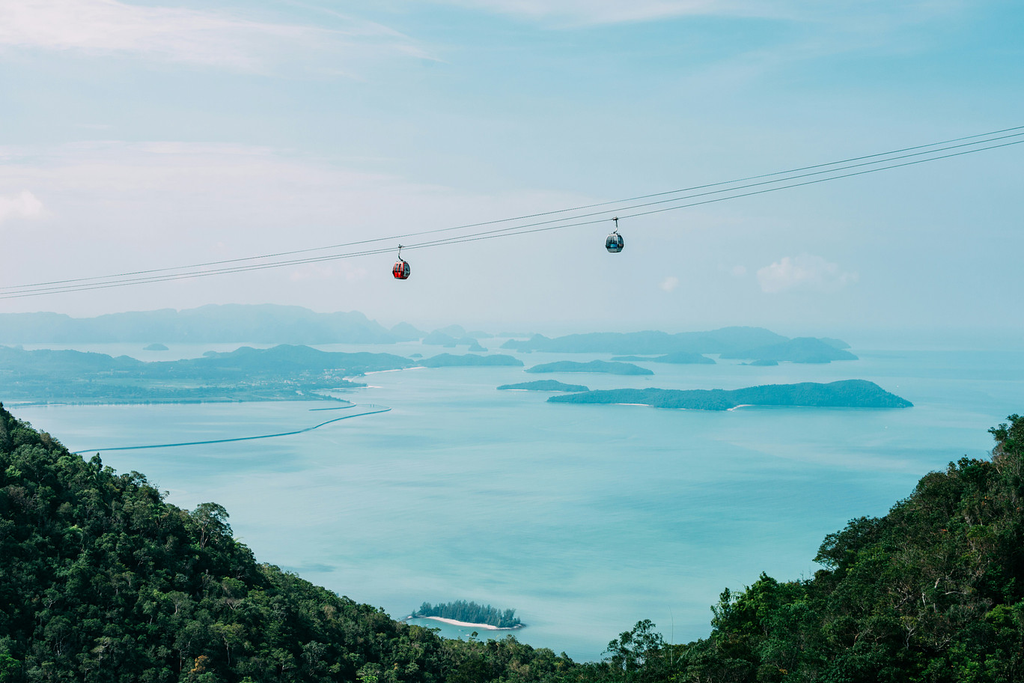
Located off Malaysia’s northwestern coast in the turquoise expanse of the Andaman Sea, the Langkawi archipelago is an extraordinary sanctuary composed of 99 tropical islands. Unlike heavily commercialized island hotspots elsewhere in Southeast Asia, Langkawi maintains a wonderfully spacious and tranquil vibe.
Honored as a UNESCO Global Geopark, Langkawi boasts geological formations dating back over 500 million years, featuring dramatic limestone karst peaks, prehistoric rainforests, and hidden inland waterfalls like the legendary Seven Wells (Telaga Tujuh).
Nature enthusiasts can spend their mornings exploring the dense Kilim Karst Geoforest Park by boat or kayak, gliding past towering limestone cliffs to spot sea eagles, otters, and macaque monkeys. In the afternoon, ride the world-famous SkyCab cable car up Mount Machinchang to walk across the suspended Sky Bridge for breathtaking panoramic views across the island canopy and into neighboring Thailand.
Cultural experiences abound across the island’s interior, where traditional Malay wooden kampungs (villages) nestle amidst verdant paddy fields. Foodies will delight in visiting the rotating local night markets and sampling Malay street food classics like beef rendang, coconut-infused nasi lemak, and grilled seafood dipped in spicy sambal.
Travel Tip: If you’re not sure where to stay in Langkawi, opt for a place near Cenang Beach or Tanjung Rhu where you’ll be able to enjoy sunset views while remaining close to pristine nature trails.
3. Palawan, the Philippines: Dramatic Lagoons and Island Hopping
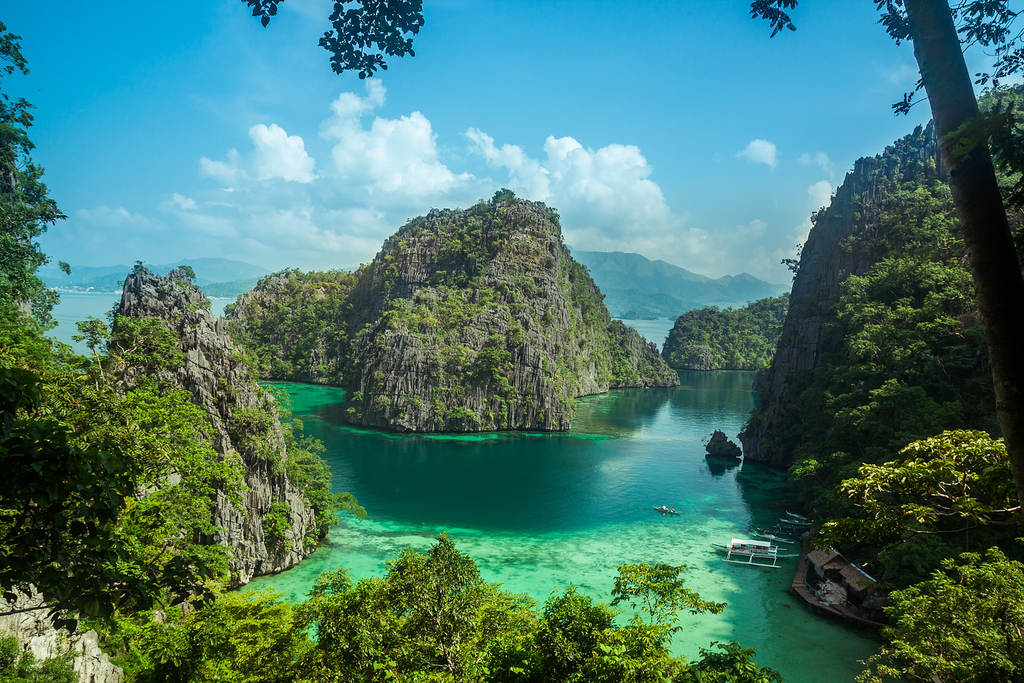
With crystal-clear turquoise lagoons, dramatic karst monoliths rising straight out of the ocean, and untouched marine biodiversity, Palawan is paradise for lovers of nature. Frequently voted among the most breathtaking islands in the world, this long, narrow province in the western Philippines feels refreshingly raw, wild, and pristine compared to conventional high-rise beach resorts.
The gateway to Palawan’s natural wonders often begins in Puerto Princesa, home to the famous UNESCO-listed Subterranean River, which is one of the longest navigable underground rivers on earth.
Heading north leads to El Nido and Coron, legendary destinations for island-hopping expeditions. Here, wooden bangka boats transport travellers through narrow rock crevices into secret inland lagoons, white-sand beaches, and vibrant coral gardens teeming with sea turtles and tropical fish.
Culturally, Palawan offers a warm, hospitable atmosphere deeply connected to maritime traditions. Visitors can savor fresh seafood banquets featuring delicious grilled parrotfish, squid, sweet mangoes, and other local produce.
The best places to stay in Palawan tend to be peaceful cottages tucked along quiet shorelines, where you can watch the waves roll in after an adventurous day of exploring. The island’s slow pace encourages travelers to unplug from digital distractions and tune into the rhythmic sound of the tides.
Travel Tip: To avoid peak crowds in popular lagoons, book private boat tours that depart early in the morning.
4. Paphos, Cyprus: Ancient History Meets Mediterranean Charm
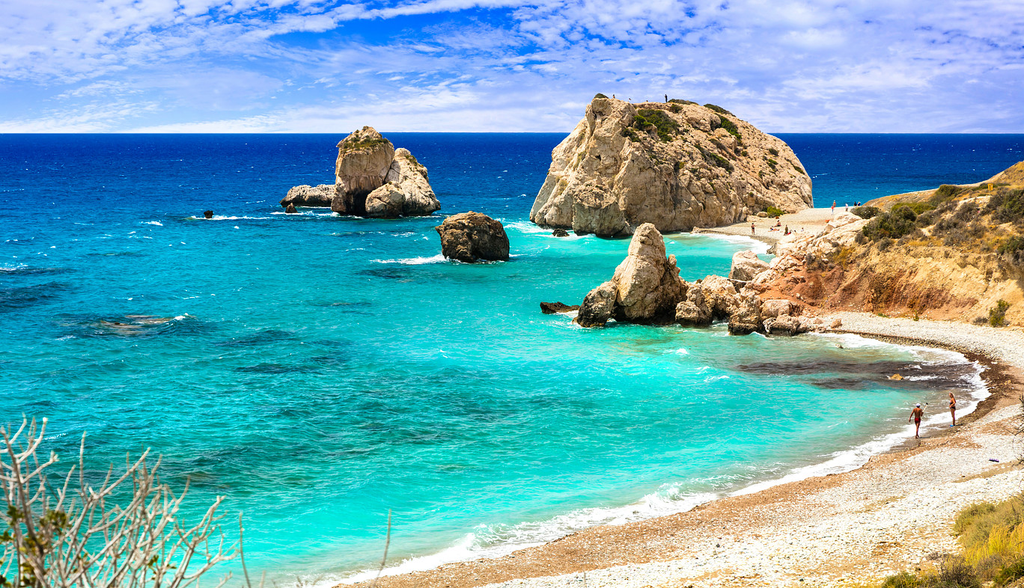
Perched gracefully on the southwestern coast of Cyprus, Paphos effortlessly blends millennia of ancient Mediterranean history with the laid-back charm of a seaside resort town. As the legendary mythic birthplace of Aphrodite, the ancient Greek goddess of love and beauty, Paphos feels deeply imbued with folklore and historic significance at every turn.
History lovers can spend days exploring the vast Paphos Archaeological Park, home to remarkably preserved Roman villa mosaics depicting intricate mythological scenes. There’s also the haunting Tombs of the Kings, monumental underground chambers carved directly into solid rock dating back to the 4th century BC.
Just a short drive away lies the Akamas Peninsula, a protected natural reserve featuring rugged coastal hiking paths. Visit the scenic Baths of Aphrodite and explore secluded bays that serve as vital nesting grounds for endangered sea turtles.
The cultural fabric of Paphos comes alive in its traditional tavernas and hillside villages like Omodos and Kathikas. Here, meals are unhurried multi-course celebrations featuring halloumi cheese grilled over charcoal, slow-cooked kleftiko lamb, fresh dips, and local wines crafted from Maratheftiko, an ancient grape that is indigenous to Cyprus.
Travel Tip: Book your visit to Paphos during spring (April to May) or autumn (September to October) to enjoy warm Mediterranean sunshine without the intense summer heat.
5. Da Nang, Vietnam: Coastal Comfort and Cultural Crossroads

While first-time visitors to Vietnam tend to focus their itinerary exclusively on Hanoi or Ho Chi Minh City, Da Nang offers the perfect middle ground. Located in central Vietnam along a crescent-shaped bay, this dynamic city seamlessly combines modern urban convenience, wide sandy coastlines, and exceptional access to rich heritage.
Da Nang is famous for its coast, particularly My Khe Beach, which stretches for miles with soft sand and calm waters that are perfect for morning swims or surf lessons. At night, the city lights up, with the iconic Dragon Bridge spurting fire and water on weekend evenings.
Rising just south of the city are the Marble Mountains, a cluster of five limestone hills named after the natural elements. Here, there are hidden cave temples, Buddhist sanctuaries, and sweeping coastal viewpoints to discover.
Da Nang makes a great base for seeing some of Vietnam’s top cultural sites because it sits within easy reach of three UNESCO World Heritage sites. The ancient lantern-lit merchant town of Hoi An and the sacred Hindu sanctuary ruins of My Son are both an hour away. The imperial citadel of Hue is two hours north.
As if that weren’t enough, central Vietnam’s culinary scene is legendary. Be sure to sample mi Quang (savory turmeric noodle soup) or crispy banh xeo pancakes filled with fresh pork and shrimp.
Travel Tip: Rent a bicycle or motor scooter to ride over the scenic Hai Van Pass for breathtaking mountain-to-sea views.
6. Lombok, Indonesia: Surf, Waterfalls, and a Quieter Island Escape
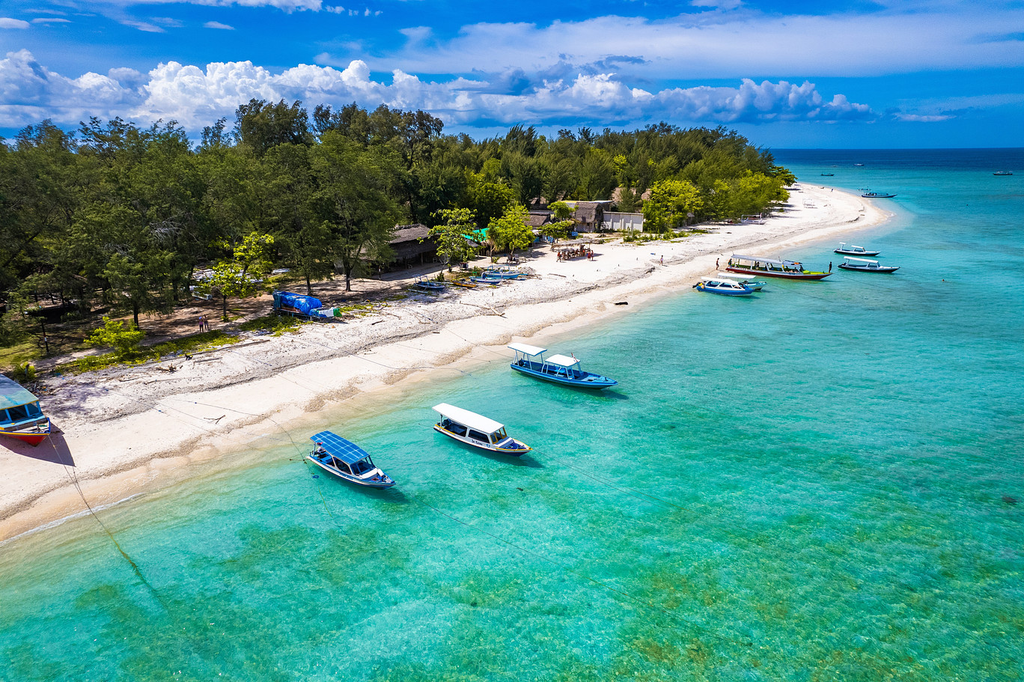
Separated from its famous neighbor Bali by the deep waters of the Lombok Strait, the island of Lombok offers an unhurried, peaceful paradise that feels worlds away from heavy traffic and crowded beach clubs. Lombok captures the raw, pristine spirit that originally enchanted travellers visiting the Indonesian archipelago decades ago.
The island’s dramatic landscape is dominated by Mount Rinjani, Indonesia’s second-highest active volcano, whose slopes feature crater lakes, hot springs, and dense tropical jungle trails leading to magnificent waterfalls like Tiu Kelep.
Just off the northwest coast lie the car-free Gili Islands, famous for sea turtle sanctuaries and tranquil reef diving. Along the southern coast, Kuta Lombok features turquoise bays, dramatic headlands, and world-class surfing breaks suitable for both beginners and seasoned pros. This is one of Lombok’s most popular places to stay.
Culturally, Lombok is home to the Sasak people, whose unique heritage, architecture, and weaving traditions can be experienced in traditional villages like Sade and Ende. Sasak cuisine is famously spicy and flavorful. Be sure to try Ayam Taliwang (marinated grilled chicken coated in a garlic, chili, and shrimp paste) and plecing kangkung (spicy water spinach salad).
Travel Tip: Visit during the dry season from May to September for optimal hiking conditions on Mount Rinjani and great surf swells.
Embrace the Reward of the Unbeaten Path
Travelling beyond the typical tourist hubs requires a little more curiosity and an open mind, but the rewards are boundless. By choosing destinations that prioritize natural beauty, cultural authenticity, and a gentler pace, you transform a simple vacation into an inspiring journey of real connection.
Whether drifting along Kerala’s quiet waterways or watching the sunset over Lombok’s wild shores, stepping off the beaten path never fails to remind us why we fell in love with travel in the first place.