
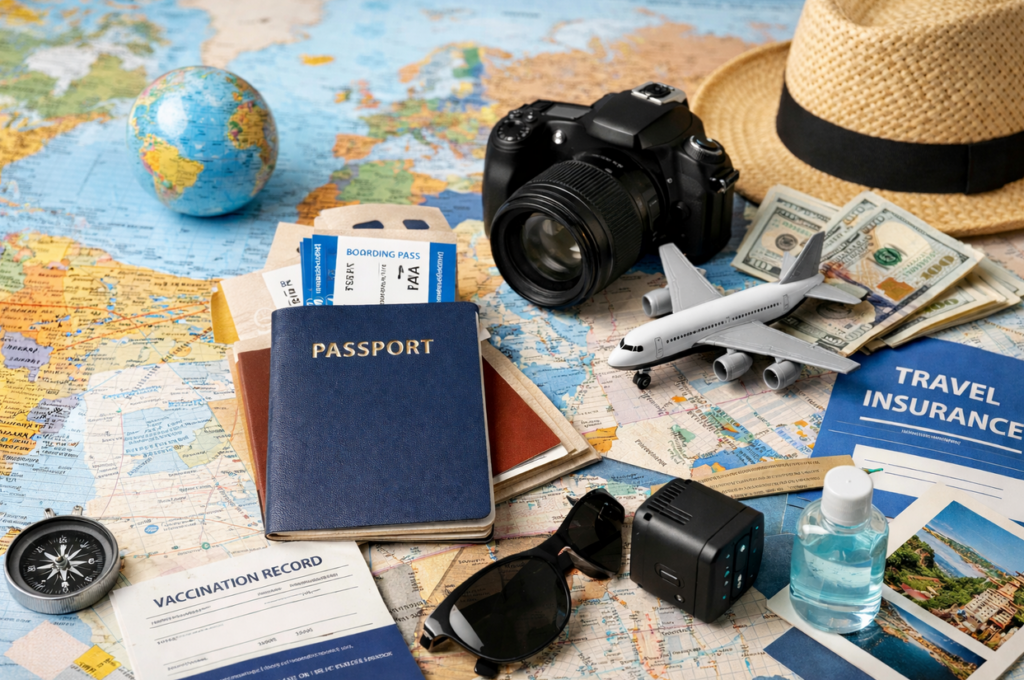
International travel in 2026 reflects a more informed and deliberate approach to exploring the world. Travelers are increasingly focused on preparation, efficiency, and meaningful experiences rather than spontaneous or poorly planned trips. As global mobility continues to stabilize and modernize, understanding destination trends and completing essential pre-trip steps has become more important than ever.
Popular Travel Destinations in 2026
Travel trends in 2026 highlight destinations that combine cultural depth, safety, and strong tourism infrastructure. European countries such as France, Italy, Spain, and Portugal remain popular choices, particularly for travelers interested in history, architecture, and local cuisine. There is also growing interest in smaller cities and rural regions as visitors seek quieter, more authentic experiences.
Asia continues to attract a large number of international travelers. Japan remains a leading destination due to its unique blend of tradition and advanced technology. South Korea draws visitors interested in modern culture, fashion, and food, while countries such as Thailand and Vietnam remain appealing for their affordability, natural scenery, and well-developed tourism services.
In the Americas, the United States and Canada continue to be major destinations, offering both urban attractions and outdoor adventures. Latin American countries such as Mexico and Peru are also gaining popularity as air connectivity improves and cultural tourism becomes more accessible.
Nature-focused travel remains a strong trend in 2026. Destinations like Iceland, Norway, and New Zealand attract travelers seeking scenic landscapes, outdoor activities, and environmentally conscious tourism options.
Essential Pre-Trip Preparation in 2026
Thorough preparation is a key element of successful international travel. One of the first steps is ensuring all travel documents are valid and up to date. Passports must meet destination requirements, and visa regulations should be reviewed early. As digital applications and online submissions become standard, travelers increasingly rely on online tools to manage documentation efficiently.
Passport photos, in particular, remain a common requirement for visas, renewals, and travel applications. Many travelers now use online services such as 123passportphoto.com to obtain compliant passport photos quickly and conveniently, avoiding common errors that can delay applications.
Health preparation continues to be important. Travelers are advised to review destination-specific health recommendations and secure comprehensive travel insurance that covers medical care, trip cancellations, and unexpected disruptions.
Financial planning has also evolved in recent years. While digital and contactless payments are widely accepted, travelers should still notify banks before departure and carry alternative payment methods. Understanding exchange rates and transaction fees helps prevent financial inconvenience abroad.
Packing emphasizes efficiency and practicality. Airlines maintain strict baggage policies, encouraging travelers to pack light and choose versatile clothing. Essential items now commonly include power adapters, portable chargers, and secure digital copies of important documents.
Technology plays a central role in modern travel preparation. Airline apps, digital boarding passes, offline navigation tools, and international eSIMs allow travelers to stay organized and connected throughout their journeys.
Conclusion
International travel in 2026 is shaped by careful planning, smart use of technology, and reliable information. Whether traveling to established destinations or emerging regions, travelers who prepare thoroughly are better equipped to navigate today’s global travel environment.