

Moving across the continent is a major change, and while digital files are convenient, certain physical documents still matter. Schools, banks, healthcare providers, and government offices may request original paperwork. Having everything organized reduces delays and avoids last-minute issues. You don’t want to show up at a new DMV or clinic only to realize you’re missing essential forms. One of the most overlooked areas during relocation is managing the paper records required when moving. That includes contracts, health documents, and legal identification—items that aren’t always accepted in digital form. Having a checklist and keeping these on hand helps you settle faster and reduces complications once you arrive.
The Paper Records Required When Moving
You’ll encounter many situations where printed paperwork is either expected or required. Start with anything tied to your previous address: lease agreements, mortgage payoff letters, and utility bills with your name and address.
Keep printed moving contracts, including any service agreements and payment receipts. These are useful if disputes arise or claims must be filed later.
Tax documents from the past two years help when updating your address with banks, applying for new leases, or adjusting income-based services. If you’re submitting a mail forwarding request, the U.S. Postal Service requires a valid, verifiable address—another reason to keep printed records available during the process.
Paper records required when moving aren’t just bureaucratic formalities—they protect you when systems don’t sync properly. If your new landlord or lender won’t accept a digital file, you’re covered.
Printed bank statements and income verification are also needed for government benefit programs. Some social services require originals or certified paper copies for eligibility confirmation, even when online portals exist.
Legal Identification: When Digital Isn’t Enough
You’ll need more than your driver’s license in most registration processes. Moving across states or provinces often requires original or certified documents. That includes your birth certificate, Social Security card, and passport.
Marriage or divorce paperwork may be requested during utility account setup or when applying for new health benefits. If you’ve granted power of attorney or hold guardianship, notarized originals are usually required—not scans.
Some agencies only accept paper documents, even when you think digital files should be fine. Local DMVs, school boards, and immigration offices frequently enforce this. Having certified originals with you avoids being turned away after a long wait, cutting down on the stress.
Pet Paperwork That Often Gets Overlooked
It’s easy to underestimate the logistical needs tied to pet documentation. Printed vaccination records, including rabies certificates, are often required by apartments or HOAs before move-in. Some property managers may deny mover access if pet paperwork isn’t presented at the time of unloading.
Licensing forms and microchip registration should travel with you—not in the moving truck. If a mover accidentally leaves a door open and your pet escapes, fast retrieval depends on proof of ownership. Movers cannot intervene without those documents ready.
Airlines and specialized pet shippers also require signed, dated veterinary health certificates, especially if you’re crossing state lines or borders. Some ask for physical copies issued within ten days of transport.
That becomes more urgent if you’re moving with your pet to an area with breed-specific laws, entry restrictions, or temporary housing rules. Having all pet paperwork printed and accessible helps prevent delays, extra fees, or denied access that could disrupt the entire move schedule.
Medical and Insurance Records You Can’t Afford to Misplace
Healthcare providers often operate in isolated systems. That means a new doctor in another state may not be able to pull your previous records instantly. While portals help, they don’t replace printed immunization records, surgery summaries, or prescription histories.
If someone in your household has a chronic condition, delays can be dangerous. Paper copies provide quick backup if records haven’t transferred. Insurance documents, including vision and dental, should be printed in case you need immediate care. Not to mention it’s a good idea to have the travel insurance physically on you during the move.
You may also need to show proof of coverage during enrollment periods or after an accident. A physical copy avoids errors or access issues when internet connections are unstable or account recovery is blocked.
School and Academic Records for Families and Students
Relocating with kids requires academic planning. School districts typically want printed transcripts, standardized test results, and immunization forms before enrollment. If your child receives special education services, bring paper copies of IEPs or 504 plans. These don’t always transfer easily between districts. Having them ready avoids a gap in support.
College students moving between campuses should carry printed class schedules, housing documents, and payment confirmation. Some schools need physical signatures or originals for enrollment or housing access. Without these, you may lose class registration priority or miss a housing assignment altogether. Paper documents remain a safeguard when digital systems differ between institutions.
Financial Backup Files That Can Save You Time
You may need to open new bank accounts or switch financial institutions. Printed statements from the last three months prove your address and account activity. Landlords or loan officers may request pay stubs, employment contracts, or letters from HR. If you’re missing a recent copy—especially when switching jobs or working freelance—it can help to create professional pay stubs for your records using accurate, verifiable details. These are easier to present on paper, especially if file access is interrupted.
Bring copies of your mortgage, lease, car title, or insurance declarations. They help speed up DMV registration, vehicle insurance, and even change-of-address forms. Some banks flag out-of-state activity. If fraud prevention is triggered, having physical copies of your documents makes identity confirmation easier. That can prevent frozen accounts or delayed access to your own funds.
Last Reminder: Paper First, Then the Boxes
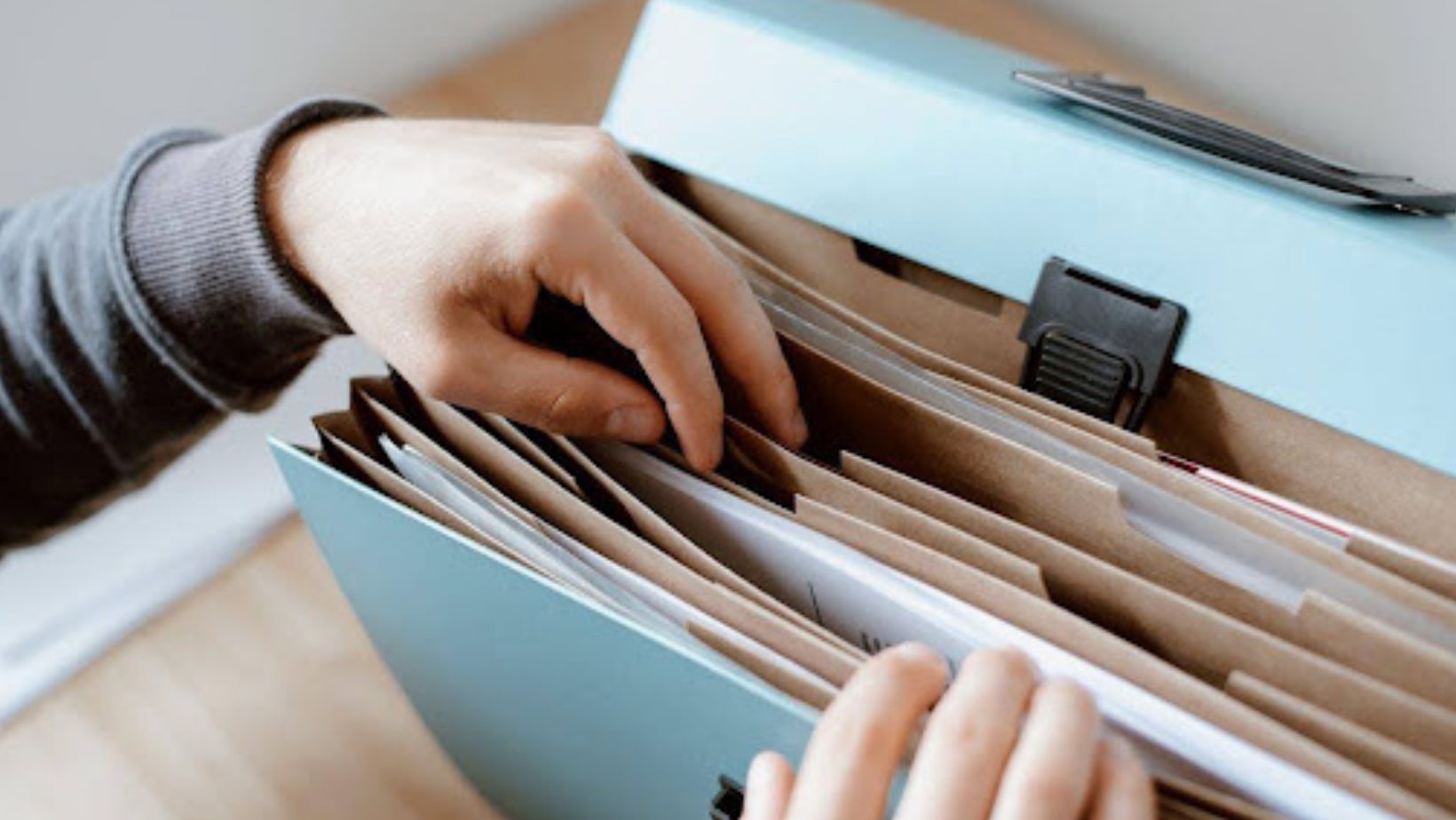
Printed documents remain essential, no matter how many apps or logins you manage. Whether you’re switching schools, securing housing, or confirming insurance, originals and hard copies are still widely used. Having the paper records required when moving reduces your dependence on networks, cloud services, and third-party access that might fail when you need them most. They’re especially helpful when dealing with inconsistent systems between states, companies, or agencies. Keep a folder or binder in your car or carry-on—not packed in a moving truck. That way, if you hit a snag, your most important papers are still within reach.