
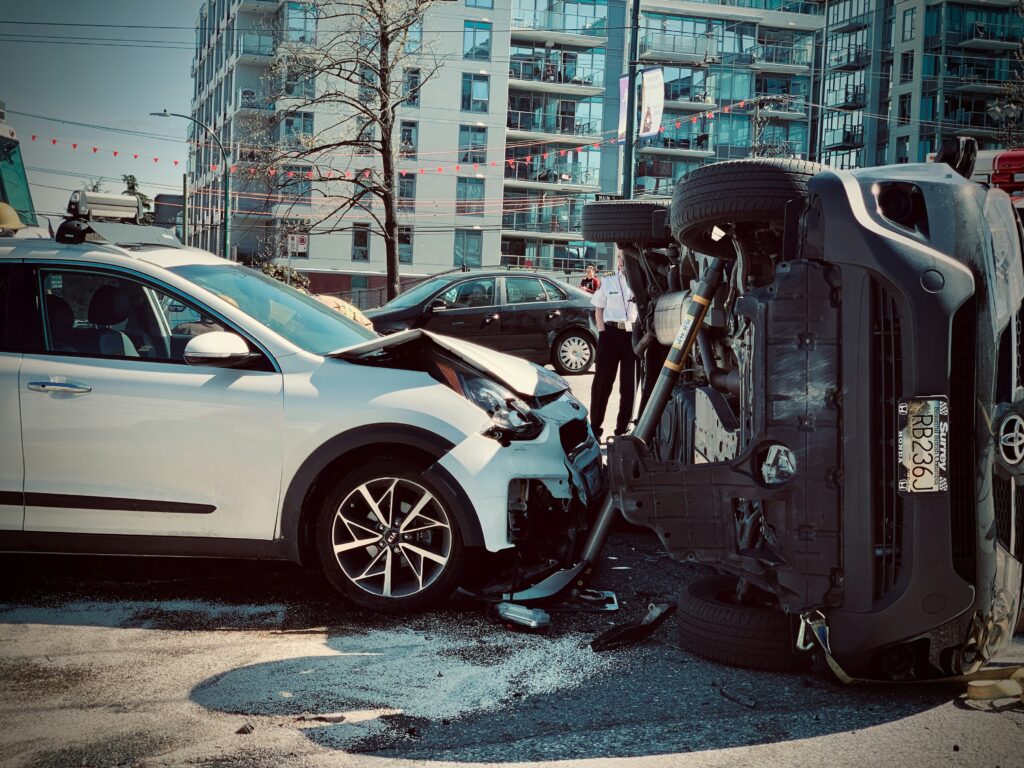
Naperville’s roads can feel manageable—until the same pressure points stack up at once: commuter surges, school drop-offs, retail traffic, construction shifts, and winter weather. “Most dangerous” usually doesn’t mean one dramatic curve; it often means repeated conflict in the same places—left turns across fast traffic, short merge zones, confusing lane changes, and stop-and-go backups that trigger rear-end crashes. When the same location repeatedly produces collisions, it’s usually because traffic volume and road design create a predictable pattern of risk.
To pinpoint the riskiest spots, you need more than anecdotes. Illinois DOT maintains public crash data resources, including summaries and map-based datasets that show crash locations statewide. That data helps reveal where crash clusters occur and what types of collisions happen most often (rear-end, turning, sideswipe, pedestrian). If you were hurt and need help protecting evidence and documenting damages, a Naperville car accident attorney can help you take the right steps early.
How to Identify “High-Risk” Locations Without Guessing
To find high-risk intersections, look for patterns over several years instead of just one bad week. Some are hazardous due to their design, like sharp turns or poor visibility, while others have too much traffic with many turns or lane changes in a small area.
IDOT resources help study crash trends and safety issues. You can also act like a crash analyst: watch for sudden braking, lane switching, or risky left turns, as these often lead to crashes, especially at higher speeds.
Route 59 Corridors and the Turning-Conflict Problem
Route 59 has heavy traffic from commuters, shoppers, and many driveways, creating dangerous conditions like quick lane changes and sudden stops for turns. This often leads to rear-end collisions, sideswipes, and angle crashes, especially near busy shopping areas and traffic lights.
Local safety discussions identify Route 59 intersections, particularly around North Aurora Road, as ongoing problem spots. The risks include unpredictable driving behavior, sudden stops, and congestion that causes “accordion” braking. To stay safe, keep extra distance and avoid last-minute lane changes.
Ogden Avenue and Other Multi-Lane Arterials
Roads like Ogden Avenue (US 34) can lead to serious accidents due to high speeds and many conflict points like business entrances and last-minute lane changes. Even a minor sideswipe can cause severe injury if it pushes a vehicle into another lane or roadside objects.
Risk increases at spots where traffic changes, such as turn lanes and traffic light lines. Drivers often try to speed up to beat yellow lights or squeeze into tight gaps. To stay safe, make early decisions: choose your lane ahead of time, keep a larger distance from the car in front, and be prepared for sudden stops.
Downtown Washington Street and the High-Complexity Environment
Downtown areas have unique safety challenges. Cars drive more slowly, but drivers must watch for pedestrians, parking, crosswalks, and tight turns. Accidents often happen when drivers say, “I didn’t see them”—especially at night, in the rain, or with store lights causing glare. Festival traffic, delivery trucks stopping, and cars searching for parking add to the risk.
The Washington Street corridor has had major road work, altering traffic patterns. Reports from Naperville show that serious accidents can occur near Washington and School Streets, where driver choices are crucial. Slowing down helps, but the key to safety is scanning the road: watch for crosswalks, turning vehicles, and expect sudden stops from parked cars.
Interstate Access Points, Ramp Weaving, and Speed Mismatch
Interchanges and ramps create a predictable problem: speed mismatch. Some vehicles enter too slowly, others refuse to yield space, and drivers weave abruptly to avoid missing exits. These areas also trigger “decision pressure,” where people realize late that they need to exit and cut across lanes. When traffic is heavy, that last-second move is a common cause of side-impact and rear-end collisions.
If you want to reduce your risk near I-88 access and other ramp zones, treat merges like a “high-alert” segment: scan early, signal early, and avoid riding alongside other vehicles. If someone merges unpredictably, you want an escape path—space ahead or a clear adjacent lane—not a boxed-in position with nowhere to go.
Construction Zones and the “New Normal” Effect
Work zones increase crash risk by disrupting normal driving. Lanes narrow, shoulders may disappear, and signs can change daily. Even careful drivers can misjudge lane edges and stopping distance when visual cues are inconsistent. Rear-end crashes often occur when traffic slows suddenly, while sideswipes rise in tight lanes.
If a crash happens in or near a construction zone, documenting the layout is crucial, as it may change quickly. Photos of signs, cones, lane markings, and sightlines can help show what drivers experienced, which is important for understanding fault and why a cautious driver might have limited time or space to react.
What to Do if You’re Hurt at a Known Hot Spot
Crashes at high-risk intersections or road segments require quick action to protect both your health and critical evidence.
- Seek Medical Care Promptly: Get evaluated even if symptoms seem minor. Concussions and soft-tissue injuries may appear later.
- Keep Medical Records Organized: Save discharge papers, prescriptions, and follow-up instructions to maintain a clear timeline.
- Photograph the Scene: Capture vehicle damage, intersection layout, signal placement, skid marks, debris, and sightlines.
- Document Your Recollection: Write down speed, lane position, traffic flow, and signal changes while details are fresh.
- Identify Witnesses: Collect names and contact information from anyone who saw the crash.
- Locate Nearby Cameras: Note businesses or traffic cameras that may have recorded the collision, since footage is often overwritten.
- Obtain the Crash Report: Follow IDOT procedures to secure the official report for formal documentation.
“Most Dangerous” Usually Means Repeat Conflict, Not Bad Luck
The riskiest intersections and roads in Naperville share features like heavy traffic, frequent turns, short merging areas, changing patterns, and many distractions. This is why Route 59, busy arterials, downtown intersections, and ramps often come up in safety discussions.
If you drive in these areas regularly, practice defensive habits—maintain space, be predictable, and choose lanes early—to lower your risk of a crash. If you’re involved in an accident, document it quickly and seek medical care to aid your recovery and support any claims about the collision costs.