

Travel used to involve folders filled with printed boarding passes, hotel confirmations, tickets, and maps. But that approach feels increasingly outdated.
Smartphones and cloud storage now allow travelers to keep everything in one place. When you rely on digital documents, you reduce clutter and gain quick access to the information you need during every stage of your journey.
As travelers, we already mostly rely on mobile apps without realizing that we’ve started shifting toward a paperless system. Airline apps hold boarding passes, hotel platforms store reservations, and travel wallets track itineraries. Bringing these elements together makes trips far easier to manage. When everything lives on your device, there’s no longer a need to dig through bags looking for a specific confirmation, or risk leaving important documents at home.
Going paperless also reduces unnecessary barriers while traveling. You can instantly access booking confirmation and share documents with your companions, and easily change plans without reprinting anything. Many travelers who have gone digital in organizing their documents feel less stressed during bustling airport moments. The result is a smoother experience in which your phone becomes the only folder you need for travel.
Here’s a deeper look at how you can move towards more paperless travel.
Organizing travel documents in a digital-first way
Planning a trip usually generates a surprising amount of scattered information. Separate documents arrive for flights, hotels, rental cars, attraction tickets, and insurance bookings. What starts as a few confirmations can quickly turn into dozens of emails and attachments.
Travelers often receive documents from several different sources, including:
- flight confirmations and boarding passes
- hotel reservations and check-in details
- rental car agreements
- attraction or event tickets
- travel insurance policies
When these documents are saved digitally in one place, they form a simple system that reduces confusion and speeds up check-ins. Instead of jumping between inboxes, apps, and downloads, everything is stored in a single folder that’s easy to access.
Creating a centralized travel document folder
Using one central folder for all your trip documents is one of the easiest ways to stay organized. Instead of searching through multiple emails or apps, everything sits in a single place.
Because cloud storage is accessible across devices, you can open your documents from your phone, laptop, or tablet. That means important information is always within reach, no matter where you are.
Clear file names also save time. Labels such as “Flight to Barcelona” or “Hotel Reservation Madrid” make it easy to recognize documents quickly. When you’re confirming details with airline or hotel staff, descriptive file names mean you won’t have to scroll endlessly through downloads.
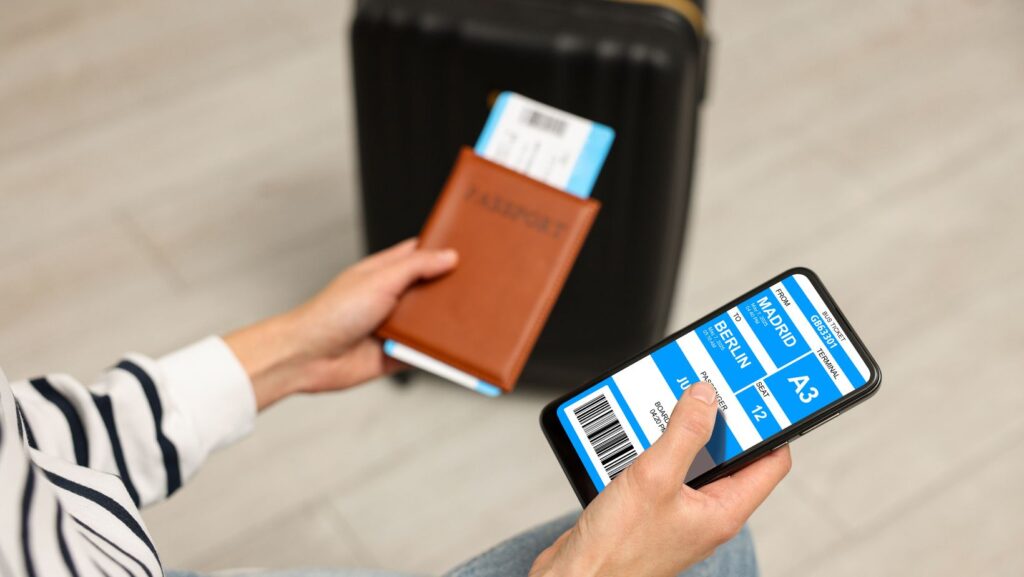
Offline access is another useful step to plan for. Internet connections can be limited on flights, and some destinations have unreliable service. Saving important travel documents to your device before leaving home ensures you can access them whenever you need them.
Combining multiple documents into one file
Travelers often receive several confirmation documents from different sources, such as airlines, booking sites, and ticket vendors. Bringing everything together into one file creates a simple itinerary that’s easier to reference and share during the trip.
Many travelers use SmallPDF to merge PDF files together and keep their documents organized. You can merge your PDF files quickly online into one clean document without watermarks. It’s a small step that turns scattered confirmations into a simple itinerary you can open in seconds.
Having everything in one file also saves time during everyday travel interactions. If the hotel reception staff, rental agencies, or tour operators ask for confirmations, you can show them without wasting time.
Why modern travel prioritizes smart and green choices
Travel habits have changed quite a bit in recent years. Many travelers now think more carefully about their environmental impact while also looking for ways to simplify logistics.
Reducing paper waste through digital tools supports both goals. When everything is organized digitally, you travel lighter, move faster, and support more sustainable travel practices at the same time.
Reducing unnecessary travel waste
Travel used to generate a lot of paper. Boarding passes, printed itineraries, hotel confirmations, and attraction tickets often ended up in the trash within hours. Switching to digital documents immediately reduces that waste. It might seem like a small change during one trip, but frequent travelers quickly notice how much paper they used before.
With digital tickets now common at airports, hotels, and transport services, travelers can replace multiple printed pages with a single QR code on their phone.
That shift not only cuts down on paper but also speeds up check-in and boarding. Being able to show documents instantly helps travelers move through checkpoints more quickly.
Small choices, like skipping prints that aren’t required, add up over time. Traveling with fewer printed documents also keeps bags lighter and less cluttered while helping reduce unnecessary paper use.
Using apps that replace traditional paperwork
Today’s travel apps can replace many of the paper documents travelers once carried. Airline apps store boarding passes, hotel apps manage reservations, and itinerary apps automatically gather bookings in one place. Instead of carrying folders, travelers keep everything on their phones.
Mobile boarding passes are a good example of how simple this shift has become. Once you check in through the airline app, your boarding pass appears instantly and updates if gate details change. There’s no need to print anything or worry about outdated information.
Digital tools also make coordinating with travel companions easier. Sharing booking confirmations or tickets takes seconds. Instead of passing around paper copies, everyone receives the same document immediately, which makes group travel far less stressful.
The growing importance of going paperless while traveling
Travel systems have become increasingly digital. Airlines send mobile boarding passes, hotels confirm reservations electronically, and transport services rely on QR codes.
Because of this shift, going paperless now makes travel much more efficient. Travelers who keep their documents organized digitally often move through airports, hotels, and attractions with fewer delays.
Avoiding lost or damaged paperwork
Paper documents come with small but frustrating risks. A boarding pass can slip out of a pocket, a printed reservation can tear, or an itinerary can disappear somewhere between flights. Keeping everything digitally removes many of those problems. Your phone becomes the place where every confirmation lives.
Digital copies are also helpful when unexpected situations come up. Lost luggage, sudden hotel changes, or airline rebookings are easier to manage when confirmations are just a tap away.
Keeping digital copies of identification documents can reduce stress as well. If a passport is lost or stolen, having a stored image can help during embassy visits or travel insurance claims. That extra preparation can make a difficult situation much easier to handle.
Simplifying airport and border processes
Airports increasingly rely on electronic systems that work best when passengers have their documents on their phones. Mobile boarding passes, automated kiosks, and digital customs forms are becoming standard.
Because travelers can quickly show the required documentation, airport processes often move faster.
Security screening is becoming smoother, too. Instead of opening bags to find a printed boarding pass, travelers can simply display a QR code on their device.
Border procedures are evolving as well. Some countries now allow passengers to submit arrival forms online before they land. When travel documents are already stored on a phone, completing those forms becomes quick and simple.
Travel lighter, plan smarter
Going paperless makes travel simpler and far more organized. When confirmations, tickets, and important documents live on your device, you spend less time searching through bags or emails and more time enjoying the experience of the trip itself.
It also adds a layer of flexibility that traditional paperwork never offered. Travel plans can change quickly, and having digital copies ready means you can respond just as quickly, whether that means sharing a booking with a travel companion, showing a confirmation at check-in, or pulling up details while you’re on the move.
Digital organization also reduces paper waste and keeps important information accessible wherever you are. As more airlines, hotels, and travel services move toward mobile systems, paperless travel is becoming less of a convenience and more of a practical standard.
Once you adopt a digital approach, travel logistics tend to feel smoother, lighter, and easier to manage from the moment you begin planning until the day you return home.
By Srdjan Gombar

Veteran content writer, published author, and amateur boxer. Srdjan has a Bachelor of Arts in English Language & Literature and is passionate about technology, pop culture, and self-improvement. In his free time, he reads, watches movies, and plays Super Mario Bros. with his son.