
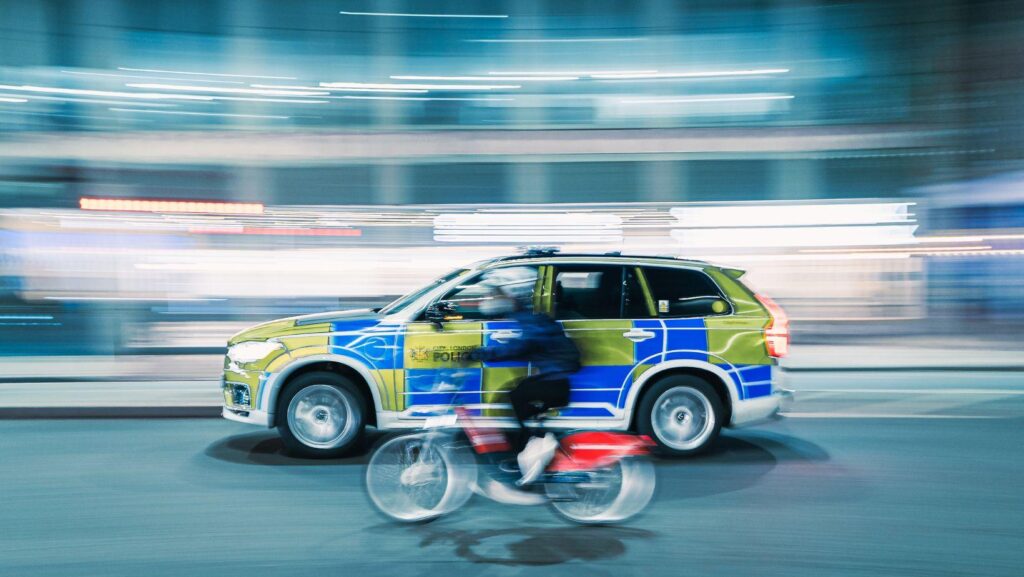
Speeding can turn an ordinary traffic mistake into a devastating collision. A driver who is moving too fast has less time to react, needs more distance to stop, and may strike another vehicle, pedestrian, or cyclist with far greater force. After a crash, however, the speeding driver may deny going too fast or claim there was no way to know their speed.
Proving speed often requires more than one piece of evidence. Skid marks, vehicle damage, witness accounts, camera footage, electronic data, and crash reconstruction may all help show how fast the vehicle was traveling before impact. The strongest cases usually come from connecting several details into one clear picture of what happened.
The Story Hidden in the Damage
Vehicle damage can say a lot about the force of a crash. A small dent may suggest a lower-speed impact, while crushed frames, deployed airbags, broken glass, and severe intrusion into the passenger area may point to a much harder collision.
Damage alone does not always prove an exact speed, but it can raise important questions. If a driver claims they were barely moving, yet both vehicles were pushed far from the impact point, the physical damage may tell a different story. Photographs, repair estimates, and vehicle inspections can help preserve these clues.
Skid Marks and Gouges on the Road
Tire marks can help investigators understand braking, swerving, and vehicle movement before impact. Long skid marks may suggest a driver was traveling quickly before trying to stop. Curved marks may show loss of control or a sudden evasive maneuver.
Road gouges, scrape marks, debris fields, and fluid trails may also help show the direction and force of the collision. These marks can fade or be cleared quickly, so photographs should be taken as soon as possible after the crash if it is safe to do so.
The Distance Vehicles Traveled After Impact
Where the vehicles came to rest can matter. A speeding vehicle may push another car into an intersection, across lanes, onto a sidewalk, or into a fixed object. The farther a vehicle travels after impact, the more questions may arise about speed and force.
Investigators may look at final resting positions, vehicle weights, road surface, braking evidence, and impact angles. These details can help determine whether the crash involved ordinary movement or excessive speed.
Witnesses Who Heard or Saw the Approach
Witnesses may describe a vehicle “flying,” “racing,” “coming out of nowhere,” or “not slowing down.” While these descriptions are not precise speed measurements, they can still be useful.
A witness may have seen the driver pass other vehicles, ignore traffic conditions, or approach an intersection too fast. Another may have heard an engine revving, tires screeching, or a loud impact without any braking sound. These details can support other evidence of speeding.
Surveillance and Traffic Camera Footage
Video can be powerful because it may show the vehicle’s movement before the crash. Cameras from nearby businesses, homes, parking lots, traffic signals, or dashcams may capture the driver approaching, changing lanes, or failing to slow down.
Even if the crash itself is not visible, footage may show how quickly the vehicle traveled between two points. In the middle of an investigation, a Charleston, WV vehicle accident lawyer may work to identify nearby cameras and request that footage be preserved before it is deleted.
Event Data From the Vehicle
Many modern vehicles contain electronic systems that may record information shortly before a crash. This data may include speed, braking, throttle use, seat belt status, steering input, and whether airbags were deployed.
This information can be especially important when the driver’s statement conflicts with the physical evidence. Accessing vehicle data may require proper tools, legal steps, and preservation of the vehicle before repairs or disposal. If the vehicle is altered too soon, key information may be lost.
Cellphone and GPS Records
A phone may not directly show vehicle speed in every case, but location data, app records, or navigation history can sometimes help establish movement. Rideshare apps, delivery apps, GPS devices, and vehicle tracking systems may also contain useful timing and location information.
These records can be important when the driver was working, making deliveries, or using a navigation app. They may show whether the driver was rushing, taking an unusual route, or covering distance faster than expected.
Black Boxes in Commercial Vehicles
Commercial trucks, delivery vans, and company vehicles may have additional data systems. These may include electronic logging devices, telematics, dash cameras, GPS tracking, speed governors, braking records, or fleet monitoring reports.
This evidence may reveal whether the driver was speeding before the crash or had a history of unsafe driving. Company records may also show whether an employer ignored prior warnings, failed to discipline speeding, or pressured drivers to meet unrealistic schedules.
The Severity and Pattern of Injuries
The type and seriousness of injuries may help show that a crash involved significant force. Evidence may include:
Injury evidence may not prove speed on its own, but it can strengthen the case when it supports the overall crash evidence.
Accident Reconstruction Analysis
In serious crashes, an accident reconstruction expert may analyze the evidence to estimate speed and explain how the collision occurred. The expert may review photographs, vehicle damage, roadway marks, final resting positions, weather, road grade, visibility, and electronic data.
Reconstruction can be helpful when drivers disagree about what happened. It can also explain complicated crashes involving multiple vehicles, intersections, pedestrians, motorcycles, or commercial trucks. The goal is to turn scattered evidence into a clear, science-based timeline.
Admissions Made at the Scene
Sometimes a driver admits they were speeding, rushing, late, or not paying attention. These statements may be made to police, witnesses, passengers, emergency responders, or the injured person.
Admissions should be documented quickly. A witness who heard the driver say, “I was going too fast,” may become important later if the driver changes their story. Police reports, body-camera footage, and witness statements may help preserve these remarks.
Speeding Does Not Have to Be the Only Cause
A crash may involve more than speeding. The driver may also have been distracted, impaired, following too closely, ignoring weather conditions, or failing to yield. Speed can make each of these mistakes more dangerous.
Even if another factor contributed to the accident, evidence of speeding may still matter. It can show why the driver could not stop in time, why the impact was so severe, or why the victim had no chance to avoid the collision.
Preserving Evidence Before It Disappears
Speed evidence can vanish quickly. Road marks fade, vehicles are repaired, video is overwritten, and witnesses become harder to locate. Early action can make a major difference.
After a crash, useful steps may include taking photos, identifying cameras, saving repair records, writing down witness names, seeking medical care, and avoiding quick settlement discussions before the evidence is reviewed. The sooner the investigation begins, the easier it may be to prove what the speeding driver tried to deny.
When the Evidence Reveals the Real Speed
A driver’s statement is only one part of the story. The road, the vehicles, the cameras, the witnesses, and the data may all show whether speed played a role before the crash.
When several forms of evidence point in the same direction, it becomes harder for a speeding driver or insurance company to minimize responsibility. Proving speed can help explain not only how the crash happened, but why the injuries were so serious and why accountability matters.