
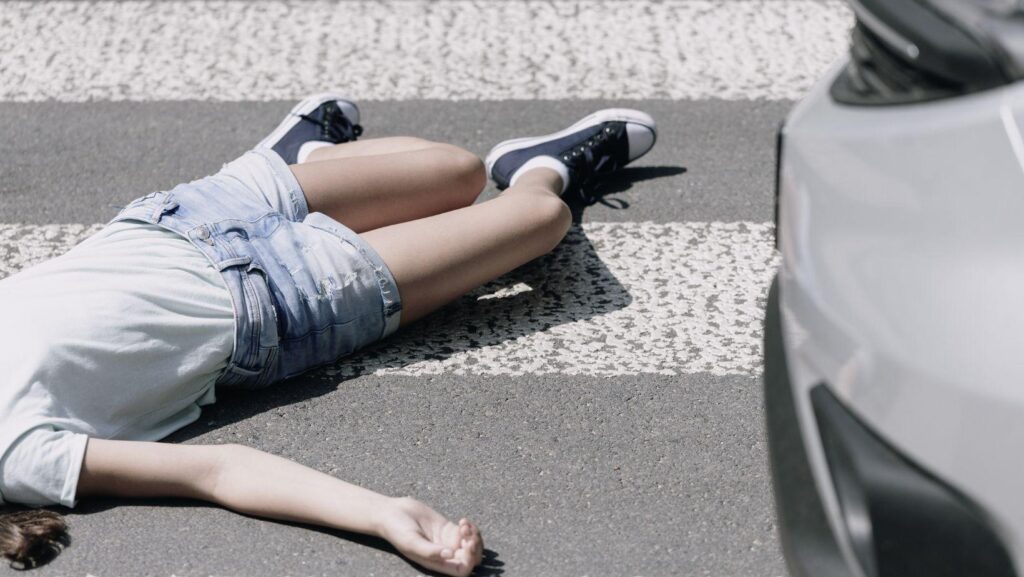
A crosswalk is supposed to give pedestrians a safer place to cross the street, but it cannot protect someone from a careless driver. A person may be struck by a driver who was speeding, distracted, turning too quickly, failing to yield, or looking for a gap in traffic instead of watching for people on foot.
After a crosswalk accident, the pedestrian may face pain, confusion, emergency treatment, missed work, and questions about who is responsible. The steps taken after the crash can affect both the person’s health and any possible injury claim. When serious injuries are involved, a Seattle pedestrian accident lawyer can help investigate what happened and preserve evidence before it disappears.
The First Concern Is Emergency Care
A pedestrian has little protection when struck by a vehicle. Even a low-speed impact can cause serious harm if the person is knocked to the pavement, hit by another object, or trapped under part of the vehicle.
Emergency care should come first. Head injuries, broken bones, internal injuries, back injuries, and bleeding may not always be fully obvious at the scene. Calling 911 allows medical responders to evaluate the pedestrian and creates an official record of the crash.
The Driver’s Explanation May Not Tell the Whole Story
Drivers often say they did not see the pedestrian. They may claim the person stepped out suddenly, crossed against the signal, wore dark clothing, or was outside the crosswalk. These claims should not be accepted without review.
A driver has a duty to watch for pedestrians, especially near marked crossings, intersections, schools, bus stops, and busy streets. The investigation should look at the driver’s speed, attention, lane position, traffic signal, turning movement, and whether they had enough time to stop.
Police Reports Can Provide a Starting Point
When police respond to a pedestrian crash, they may document the location, driver information, witness names, weather, road conditions, traffic signals, and statements from people at the scene. They may also include a diagram or note whether a citation was issued.
The police report can be useful, but it may not contain everything. If the pedestrian was taken away for medical care, the driver may have had more time to explain their version. The report should be reviewed carefully for missing details or errors.
Crosswalk Design May Matter
Not every crosswalk is equally safe. Some have clear markings, signals, countdown timers, signs, and good lighting. Others are faded, poorly placed, blocked by parked cars, or difficult for drivers to see.
The design of the crossing may matter if the driver claims the pedestrian was hard to see. Photos of the crosswalk, nearby signs, traffic signals, lighting, sight lines, and road markings can help show whether the driver should have recognized the crossing and slowed down.
Turning Vehicles Create Special Danger
Many pedestrian crashes happen when a driver turns left or right through a crosswalk. The driver may focus on oncoming traffic, nearby vehicles, or the traffic signal while failing to notice a person walking across the street.
This type of crash can be especially frustrating because the pedestrian may have believed they were visible and crossing safely. Evidence may need to show where the pedestrian was in the crosswalk, when the driver began turning, and whether the driver looked before entering the crossing.
Witnesses Can Help Clarify What Happened
Witnesses may be important after a crosswalk accident. Another pedestrian, driver, cyclist, bus rider, nearby worker, or passenger may have seen the crash or the moments leading up to it.
A witness may confirm that the pedestrian had the signal, was already in the crosswalk, or was crossing normally. They may also describe the driver’s speed, distraction, sudden turn, or failure to brake. Getting witness names and contact information early can make a major difference.
Video Footage May Disappear Quickly
Crosswalks are often near businesses, apartment buildings, traffic cameras, buses, rideshare vehicles, and parked cars with dashcams. Any of these may capture the crash or show what happened just before impact.
Video can be powerful, but it may not be saved for long. Businesses may overwrite footage, and dashcam recordings may be deleted automatically. Identifying cameras quickly can help preserve evidence before it is lost.
Injuries May Develop Over Time
Some pedestrian injuries are obvious immediately. Others become clearer later. A person may feel shocked after the crash and not realize the extent of pain until hours or days pass.
Common injuries may include concussions, broken bones, torn ligaments, road rash, spinal injuries, hip injuries, knee damage, shoulder injuries, internal trauma, and emotional distress. Follow-up medical care is important if symptoms continue, change, or worsen.
Medical Records Connect the Crash to the Harm
Medical records are important because they show what injuries were diagnosed and how treatment progressed. Emergency records, imaging results, specialist visits, therapy notes, prescriptions, and follow-up appointments can help explain the full impact of the crash.
Insurance companies may question injuries if there are gaps in treatment. They may argue the pain came from something else or was not serious. Consistent medical care helps show that the pedestrian took the injury seriously and followed treatment recommendations.
The Pedestrian’s Daily Life May Change
A crosswalk injury can affect more than physical health. The pedestrian may miss work, need help at home, avoid walking near traffic, lose independence, or struggle with sleep and anxiety.
These changes should be documented. Notes about pain, missed activities, transportation problems, work limits, and emotional effects can help show the real-life impact of the accident. Receipts, wage records, and appointment logs may also support the claim.
Insurance Companies May Try to Share Blame
After a pedestrian accident, the insurance company may argue that the pedestrian was partly responsible. They may claim the person was distracted, crossed too late, moved outside the crosswalk, or failed to watch for traffic.
These arguments are common, but they do not always match the evidence. Photos, witness statements, signal timing, video footage, vehicle damage, and medical records can help respond to blame-shifting. The key is to preserve facts early instead of relying only on the driver’s version.
The Vehicle Damage Can Be Important
The location and type of vehicle damage may help explain how the crash happened. Damage to the bumper, hood, windshield, side mirror, or fender can show the direction of impact and where the pedestrian was struck.
Photographs of the vehicle should be taken before repairs are made. Even small damage can help support the pedestrian’s account, especially when paired with injury patterns and witness statements.
When a Crosswalk Crash Changes Everything
Being hit in a crosswalk can leave a pedestrian with serious injuries, financial pressure, and fear about walking in ordinary places. What should have been a safe crossing can become a life-changing event.
After this kind of crash, the details matter. Medical care, police reports, photos, witness accounts, video footage, vehicle damage, and records of daily struggles can all help show what happened and how deeply the injury affected the pedestrian’s life.