
Many people ask what makes smaller Midwestern cities easy to settle into when they compare them with larger metro areas. The answer often starts with daily life. These places usually make routines feel simpler, costs feel less heavy, and local services feel easier to reach. Streets often feel easier to learn, errands take less time, and familiar places become part of life sooner. That practical ease can matter more than flashy features. Smaller cities across the Midwest often attract people who want steadier days, clearer choices, and a setting that feels manageable from the start without giving up important basics.
Shorter Routines Start the Adjustment
Smaller Midwestern cities often help new residents settle through simpler routines and clearer daily patterns. Streets usually feel easier to follow, so trips require less guesswork and less wasted time. Grocery runs, school drop-offs, and doctor visits often fit into one steady rhythm. That practical ease matters early. Also, understanding auto transport costs can help during a long move and shape smarter budget choices. Car setup, fuel, registration, and distance all affect the first weeks in a new place. As a result, planning feels less stressful. Familiar routes build confidence faster, and each small task starts to feel easier to handle.

Lower Costs Give Newcomers More Flexibility
Smaller Midwestern cities often appeal because everyday costs can feel easier to manage. Rent, parking, and routine errands may leave more room in the budget. That extra margin can ease the pressure of a move—still, good planning matters before arrival. Packing needs a clear system from the start. First, make a list for packing supplies and sort items by room. Then label boxes with simple names, so unpacking takes less time later. Fragile items need a sturdy wrap, while daily essentials should stay close at hand. Also, a small overnight bag can save time during the first busy days. As a result, the move feels more organized. A smoother start often helps a new place feel practical sooner.
Familiar Layouts Reduce Early Stress
Smaller Midwestern cities often feel easier to learn during the first weeks after a move. Streets, service areas, and shopping spots usually follow a clearer pattern. That helps daily plans come together faster. In fact, what makes smaller Midwestern cities easy to settle into often starts with simple geography. A new resident can spot key places without much confusion. Banks, schools, clinics, and stores often sit within a short range. As a result, fewer wrong turns interrupt the day. That steady sense of direction can help a place feel comfortable much sooner.
Everyday Places Help New Residents Settle
Public libraries, local parks, and small business districts often shape daily life in useful ways. These places give new residents easy starting points. A person can build steady habits through simple, regular stops. That matters even more for remote workers. For someone used to a digital nomad lifestyle, familiar routines can feel hard to keep after a move. Smaller Midwestern cities often support that shift with quieter spaces and easier access to basic needs. As a result, daily life can feel more grounded. Over time, those small habits help a new place feel easier to understand.
Simple Centers and Steady Routines Ease the Move
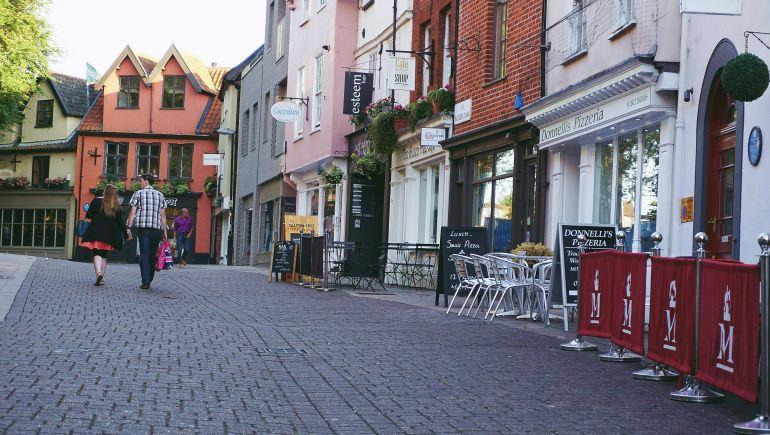
Smaller Midwestern cities often organize daily life around clear downtown areas and familiar local spots. That structure helps new residents learn the area faster. Shops, cafes, and public spaces often sit close together, so errands feel easier to plan. That rhythm can also help avoid stress when you’re moving, especially during the first busy weeks. A person can find regular places sooner and build new habits with less confusion. Also, repeated visits to the same areas create comfort over time. As daily patterns become clearer, the city starts to feel easier to handle and easier to trust.
Clear Benefits: What Makes Smaller Midwestern Cities Easy to Settle Into
Settling into a new place often depends on how quickly daily life starts to feel manageable. In many smaller Midwestern cities, familiar routines, accessible services, and steady community patterns help reduce that early adjustment period. As a result, new residents can build comfort and stability without facing the constant friction common in larger urban areas.
- Smaller Midwestern cities often make local life easier to notice and join. Farmers’ markets, school events, park programs, and seasonal fairs stay easy to spot. Because of that, new residents can pick up local rhythms sooner. Also, familiar events create a stronger sense of place over time.
- Daily services often sit within a shorter distance. Clinics, grocery stores, banks, schools, and city offices usually stay easy to reach. So, errands need less planning and less extra driving. That convenience can ease the pressure of the first months.
- Housing goals can also feel more realistic in many smaller markets. That matters for people who want stability and a clearer long-term plan. In turn, saving, renting, or buying can feel less overwhelming.
- Seasonal habits also help people adjust. Winter prep, summer festivals, school calendars, and fall routines create a pattern that feels easy to follow. As those patterns repeat, the city starts to feel steadier, clearer, and easier to understand.
A Slower Pace Gives People Room to Adjust
Many smaller Midwestern cities feel calmer during the first months after a move. Daily schedules often stay more manageable, so new routines form with less pressure. That slower pace helps people notice local habits and plan each day with more ease. It also suits people who work everywhere and need flexibility without constant noise. Cafes, libraries, and quiet public spaces can support that kind of schedule. As a result, work and daily life can fit together more smoothly. Over time, that balance helps a new city feel steadier, more familiar, and easier to live in.

Why Everyday Life Feels Easier
Looking at what makes smaller Midwestern cities easy to settle into also shows a bigger idea about comfort and stability. People adjust faster when a place removes small daily pressures instead of adding new ones. A shorter drive, a lower housing cost, or an easier trip to the store can shape how a home starts to feel. That kind of change may seem small at first, yet it often affects mood, time, and long-term plans. Smaller Midwestern cities often appeal because they support a calmer rhythm and give people room to build a life step by step with less strain.