
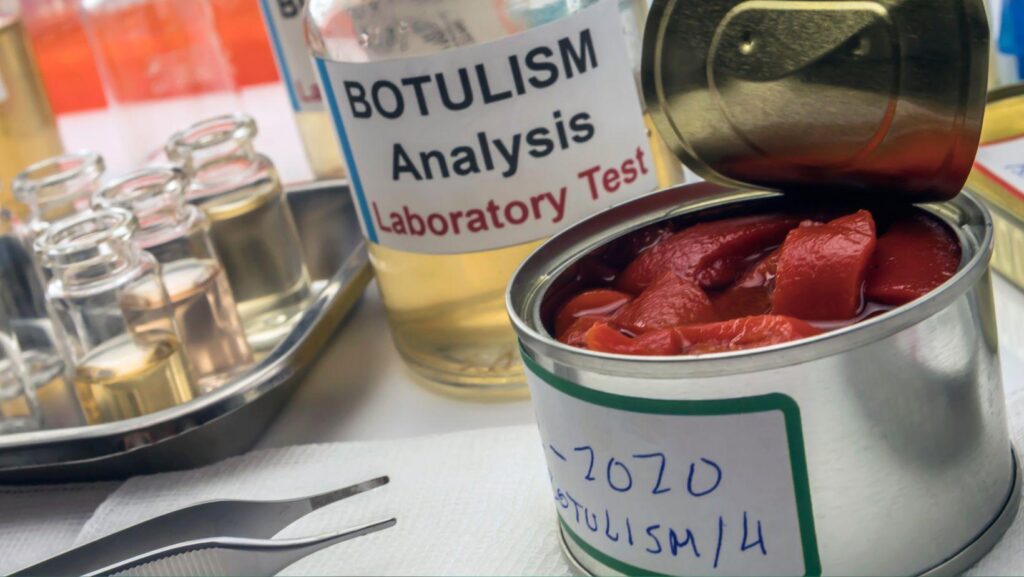
Canning can be a useful way to preserve vegetables, meats, sauces, soups, seafood, and other foods for later use. Many families rely on home-canned goods, homemade preserves, or small-batch products from local sellers. When the process is done safely, canned foods can last a long time and remain convenient.
However, improper canning can create dangerous conditions for botulism. The toxin that causes botulism cannot be seen, smelled, or tasted, which means food may look normal while still being unsafe. When serious illness is linked to improperly preserved food, a Botulism attorney may review the food source, preparation method, medical records, and harm caused by the contamination.
The Danger Begins in a Low-Oxygen Jar
Botulism risk is closely connected to the environment inside a sealed jar or can. Once food is sealed, there may be little or no oxygen inside. That type of environment can allow dangerous bacteria to produce toxin if the food was not processed correctly.
This is one reason canning must be handled with care. The jar may appear tightly sealed, but a seal alone does not prove the food is safe. The right method, temperature, pressure, acidity, and processing time all matter.
Low-Acid Foods Need Extra Caution
Low-acid foods are especially concerning because they can support the conditions that allow botulism toxin to form. These foods may include green beans, corn, carrots, potatoes, beets, meats, poultry, seafood, soups, stews, and some sauces.
Because low-acid foods require more careful processing, they are not the same as high-acid jams or pickles. Using the wrong method can leave spores alive. If the food is later stored in a sealed container, the risk can grow.
Boiling Water May Not Be Enough
Some people assume that boiling jars in water is enough for all home-canned foods. That is a dangerous mistake for many low-acid foods. A boiling-water bath may work for certain high-acid products, but low-acid foods often require pressure canning.
Pressure canning reaches higher temperatures than ordinary boiling water. Those higher temperatures are needed to deal with the risk more effectively. If a person uses the wrong method, the food may be unsafe even if the jar seals and the food looks normal.
Old Recipes Can Create Modern Problems
Many families pass down canning recipes through generations. While those recipes may have sentimental value, older methods may not match current safety guidance. Processing times, jar sizes, acidity levels, and equipment recommendations may have changed.
A recipe that worked for years without obvious illness is not automatically safe. Botulism is rare, but it can be severe when it happens. People who can foods at home should use tested, current instructions from reliable food-safety sources rather than guessing or relying only on tradition.
Appearance Is Not a Safety Test
Food contaminated with botulinum toxin may not show obvious warning signs. A person may open a jar that looks fine, smells normal, and tastes ordinary. That is what makes botulism so dangerous.
Some signs should always raise concern, such as bulging lids, leaking jars, spurting liquid, mold, strange odor, cracked containers, or loose seals. But the absence of those signs does not guarantee safety. If the canning process is uncertain, the food should not be tasted.
Small Tastes Can Be Dangerous
People sometimes taste a questionable food to decide whether it is still good. With botulism risk, this can be extremely dangerous. Even a small amount of contaminated food can cause serious illness.
If a jar or can seems suspicious, it should be handled carefully and discarded according to safe instructions. No one should taste it, feed it to pets, or serve it to others. The risk is too serious to rely on smell or flavor.
Homemade Products Can Reach Many People
Improperly canned food may affect more than one household. Homemade canned goods are often shared at family gatherings, community events, fundraisers, farmers markets, holiday meals, or through small food businesses.
If several people become sick after eating the same preserved food, the situation may point to a larger problem. Investigators may need to identify who prepared the food, what recipe was used, when it was canned, where it was stored, and who else received jars from the same batch.
Commercial Products Can Also Raise Concerns
Although botulism is often linked to home-canned foods, commercially prepared foods are not immune from problems. Manufacturing errors, damaged containers, improper processing, failed seals, or unsafe storage may create risk.
Consumers should pay attention to recalls, damaged cans, swollen packaging, leaking containers, or food that looks unusual. Stores, manufacturers, distributors, and sellers may need to answer questions if a contaminated product reaches the public.
Symptoms May Affect the Nervous System
Botulism is different from an ordinary stomach illness because it can affect the nerves and muscles. Warning signs may include:
- Vision problems: Blurred vision or double vision may develop.
- Drooping eyelids: Weakness around the eyes can be an early sign.
- Speech or swallowing trouble: A person may have difficulty talking, eating, or drinking.
- Dry mouth: This symptom may appear along with muscle weakness.
- Weakness: Muscle weakness may spread and become more serious.
- Breathing problems: Botulism can affect the muscles needed to breathe.
- Digestive symptoms: Nausea, vomiting, stomach pain, or diarrhea may also occur.
Anyone with possible symptoms after eating home-canned, preserved, or questionable food should seek urgent medical care and tell providers what was eaten.
Medical Testing and Treatment Matter
Doctors may consider botulism based on symptoms, food history, and possible exposure. Treatment may involve antitoxin, hospitalization, breathing support, and close monitoring. Early recognition can be important because the illness may worsen.
Medical records can help show the timeline of symptoms, diagnosis, treatment, and complications. These records may also help connect the illness to a specific food item if more than one person became sick.
Save the Food and Packaging When Safe
If botulism is suspected, leftover food, jars, lids, labels, packaging, receipts, photos, and batch information may be important to collect. These items can help identify the source and whether others may have been exposed.
The food should not be opened, tasted, or handled casually. Public health officials or medical providers may give instructions on how to preserve or dispose of it safely. Notes about who ate the food and when symptoms began can also help.
When Preserved Food Becomes a Serious Hazard
Canned foods may seem shelf-stable and harmless, but improper processing can create conditions where botulism toxin becomes a hidden danger. Low-acid foods, sealed jars, unsafe recipes, poor pressure canning, and damaged containers can all raise concern.
When botulism causes serious illness, the investigation may need to look at the recipe, canning method, storage, distribution, medical testing, and exposure timeline. Careful documentation can help show whether the harm came from food that should never have reached the table.