
World-class diving is not defined by coral alone. It’s defined by how reliably a destination delivers variety, depth, safety, learning potential, and repeat value across different diver profiles. Malta and Gozo earn their reputation because they compress an unusually broad range of underwater experiences into a compact, accessible setting—then support it with infrastructure built specifically around divers rather than seasonal tourism.
Geography that actively shapes the dive experience
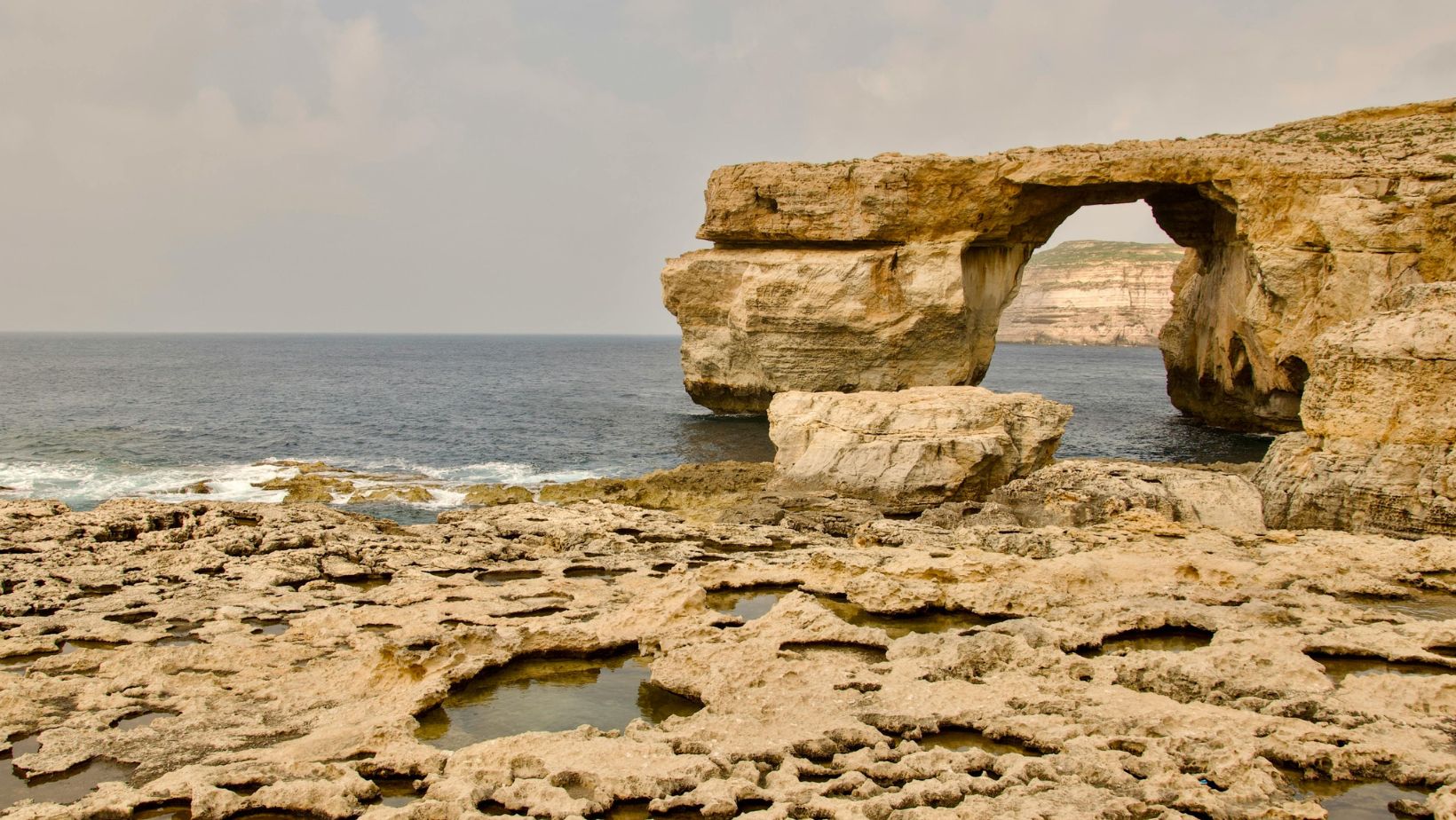
Malta and Gozo sit on a limestone plateau that drops sharply into deep water. This geology offers sheer walls, terraces, swim-throughs, caverns, and collapsed arches within short distances of shore. Unlike reef systems that rely on biological growth, these formations are structural and permanent. That stability matters: dive planning becomes predictable, navigation is intuitive, and sites retain their character year after year.
Gozo’s coastline is more rugged, with steeper drop-offs and complex rock architecture. Malta’s main island offers broader bays and gentler entries alongside dramatic vertical profiles. Together, they provide a spectrum of underwater terrain that suits training dives, advanced recreational profiles, and technical exploration without changing destinations.
Wreck diving designed for progression, not novelty
Few destinations offer wreck diving that is both deliberate and diverse. Malta’s wrecks include purpose-scuttled vessels and historically significant ships placed at varying depths to suit different certification levels. Examples include shallow patrol boats for first wreck experiences, mid-depth cargo vessels for penetration practice, and deep technical wrecks for trimix and decompression training.
What sets Malta apart is spacing and accessibility. Wrecks are close enough to allow multiple wreck dives across consecutive days without repetitive profiles. Clear access routes, known penetration lines, and minimal current reduce task loading, which is why instructors frequently use these sites for advanced wreck training rather than one-off adventure dives.
Cave and cavern systems that reward skill development
Caves and caverns in Malta and Gozo range from light-filled caverns suitable for recreational divers to fully overhead cave systems requiring specialized training. Features such as arched tunnels, vertical chimneys, and interconnected chambers allow divers to experience progressive overhead environments within the same geographic area.
Visibility and ambient light penetration are key advantages. Reduced sediment and reflective limestone walls maintain orientation and spatial awareness, which is why these islands are often chosen for introductory cavern courses and technical cave progression. The underwater environment teaches discipline without overwhelming the diver.
Conditions that reduce stress and extend usable bottom time
Mediterranean water clarity is a defining feature. Visibility commonly exceeds 30 meters, sometimes significantly more, which changes how dives are experienced. Divers spend less cognitive effort on orientation and more on buoyancy control, awareness, and observation.
Currents are generally mild, tides are minimal, and swell is manageable across most of the year. These factors contribute to longer, calmer dives and make the region particularly suitable for self-guided shore diving. When divers choose to go scuba diving in Malta, they are often surprised by how controlled and unhurried the dives feel compared to busier tropical destinations.
Shore diving that genuinely expands options
Shore diving in Malta and Gozo is not a compromise; it’s a strength. Purpose-adapted entry points, marked sites, and nearby parking allow divers to access walls, wrecks, reefs, and caverns without boats. This flexibility enables early-morning dives, extended surface intervals, and last-minute plan changes based on conditions.
The density of dive sites means shore access does not limit variety. A single day can include a shallow cavern dive, a mid-depth wall, and a dusk reef dive without logistical complexity. For independent divers and photographers, this control over timing is invaluable.
A destination that scales with the diver
Beginners benefit from calm conditions and clear navigation. Intermediate divers find variety that sharpens skills. Advanced and technical divers access depth, overhead environments, and structured wreck penetration. Few destinations serve all three groups without forcing trade-offs.
Instructors value the islands because skills can be introduced, refined, and tested in a short time frame. Divers gain experience rather than just logging numbers. This is why many certifications completed in Malta or Gozo are paired with unusually high confidence levels.
Marine life that rewards attention rather than spectacle
Malta’s appeal is not built on mass pelagic encounters. Instead, marine life reveals itself through behavior and seasonal patterns. Common sightings include octopus displaying hunting tactics, moray eels occupying limestone crevices, cuttlefish during breeding seasons, and schools of barracuda moving along drop-offs.
Macro enthusiasts find nudibranchs, seahorses, and crustaceans in sheltered bays, while patient observers occasionally encounter tuna or amberjack offshore. Over time, divers begin to recognize how topography influences species presence, adding depth to repeat dives at familiar sites.
Compact distances that maximize dive efficiency
Travel time between sites is short. This matters more than it seems. Reduced transit allows for better gas management, longer surface intervals, and flexible scheduling. Divers can adjust plans in response to weather shifts rather than committing to long boat journeys.
Compared to destinations where a single dive consumes half a day, Malta and Gozo allow divers to maintain rhythm and energy across a full week. This efficiency is a major reason why photographers, instructors, and technical divers return repeatedly.
Year-round diving without narrow peak windows
Diving is possible throughout the year. Summer offers warm water and minimal exposure protection. Winter brings cooler temperatures but excellent visibility and fewer crowds. Spring and autumn balance comfort with calm seas.
Rather than chasing a short “best season,” divers choose timing based on personal priorities: training intensity, crowd levels, or thermal preference. This flexibility makes the islands reliable for planned courses and long-term projects.
Safety culture built into the destination
Safety is reinforced structurally. Dive sites are well documented. Emergency services understand diver needs. A hyperbaric chamber is available, and decompression planning is taken seriously within the local dive community.
This environment encourages responsible independence. Divers are trusted to plan, but supported when needed. That balance fosters confidence and competence rather than dependency.
Why Gozo often becomes the second chapter
Many divers start on Malta and move to Gozo. The shift feels subtle but meaningful. Gozo offers fewer urban distractions and more technically engaging sites. Entries can be steeper. Profiles tend to be deeper. The diving asks more of the diver—and gives more back.
This progression explains why experienced divers often describe Gozo as a place where skills consolidate and understanding deepens, rather than a place to simply tick off sites.
How Malta and Gozo compare to better-known alternatives
Tropical reefs deliver color and biodiversity but can lack depth progression and repeat interest for advanced divers. Cold-water wreck destinations offer history but demand heavier logistics and exposure management. Malta and Gozo sit between these extremes, offering technical depth with Mediterranean accessibility.
They are not replacements for every destination. They are complements—especially for divers who value mastery, structure, and long-term engagement over novelty.
Who gains the most from diving here
These islands suit divers who want to improve, explore methodically, and return with greater competence. They are ideal for wreck enthusiasts, overhead environment learners, underwater photographers, and instructors. Divers seeking drift dives, coral gardens, or constant big-animal encounters may look elsewhere.
For everyone else, Malta and Gozo offer something rarer: a place where diving quality is measured not by spectacle, but by how much better you are when you leave.