I’ve been to cities that are cleaner.
Cities that are more efficient.
Cities that feel easier.
But none of them feel like Rome.
Rome isn’t polished. It doesn’t try to impress you. In fact, at first, it can feel chaotic — traffic, noise, uneven pavements, crowds that move without direction. And yet, the longer you stay, the more it reveals something deeper.
Rome doesn’t ask you to admire it.
It asks you to pay attention.
The Moment Beneath the Colosseum
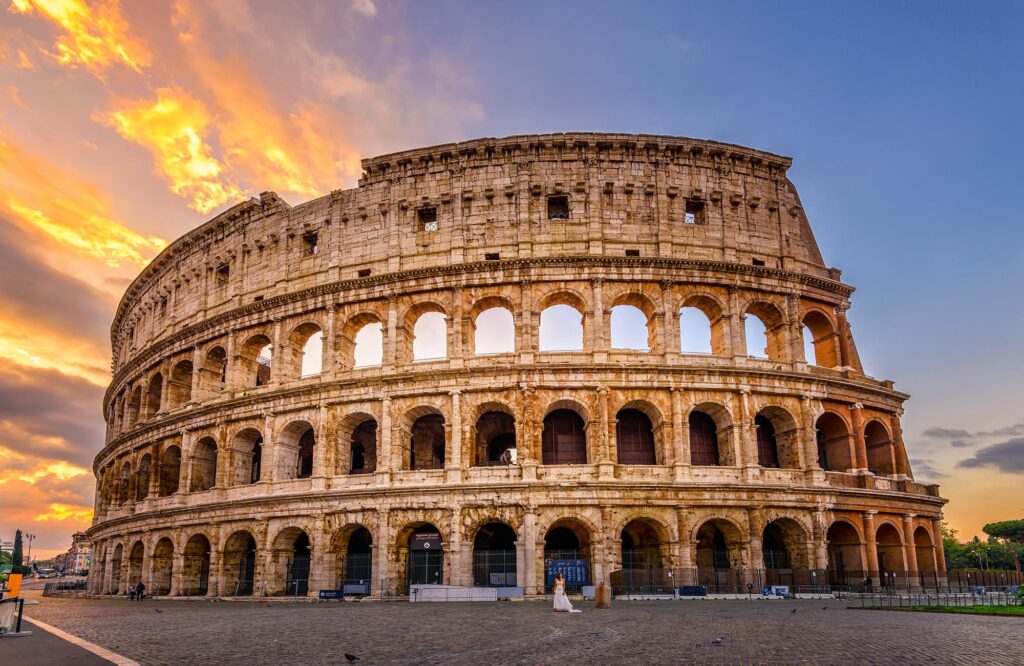
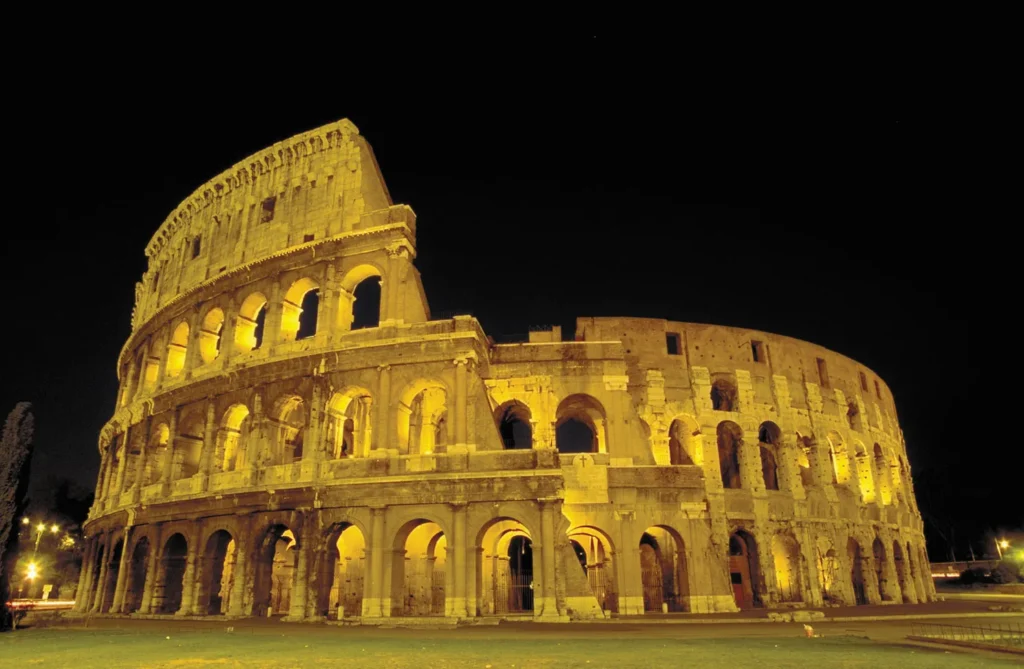
The first time I visited the Colosseum, I did what everyone does. I walked in, climbed the tiers, took the photos. It was impressive — undeniably so — but it felt distant.
It wasn’t until I stood beneath the arena floor that something shifted.
Down in the underground chambers, the space narrows. The grandeur disappears. You begin to imagine the waiting — the uncertainty before the spectacle. The Colosseum stops being a monument and becomes human.
Access to these lower levels isn’t included in every ticket, and many visitors only realize that too late. There are multiple entry formats, some including the arena floor, others allowing access to the underground corridors. Before my second visit, I found it surprisingly helpful to read independent breakdowns of the different options on ColosseumRoman.com, which clarified what each access level actually involved. It made the experience intentional rather than accidental.
And in Rome, intention changes everything.
Where Rome Eats When No One Is Watching
If you eat next to a monument, you are eating for convenience.
If you eat in Testaccio, you are eating for history.
In this neighborhood, restaurants don’t advertise authenticity — they live it. Cacio e pepe tastes the way it does because it has been prepared the same way for generations. The atmosphere isn’t curated for visitors; it simply exists.
I remember sitting at a small table near the market, watching locals argue affectionately over espresso. No one was taking photos of their plates. No one was in a hurry.
Rome felt real there.
Walking an Ancient Road Without a Destination
One Sunday morning, I walked the Via Appia Antica.
No agenda. No timed tickets. Just cobblestones worn smooth by centuries of footsteps. Tombs lined the road quietly. Cypress trees leaned in slightly, as if listening.
It struck me then that Rome is most powerful when it isn’t performing.
Away from the center, the city breathes differently. It doesn’t overwhelm you; it unfolds.
The Light That Changes Everything
There’s a particular moment at Pincian Terrace just before sunset when conversations stop.
The rooftops turn amber. The domes soften against the sky. Even the traffic noise feels distant. It’s not dramatic — it’s subtle. And maybe that’s why it lingers.
Rome doesn’t overwhelm you with perfection.
It persuades you slowly.
Why It Remains My Favourite
Other cities are easier.
Other cities are cleaner.
Other cities may even be more efficient.
But Rome feels alive in a way that no itinerary can fully capture.
It lives in small decisions — choosing the right ticket format before entering the Colosseum, wandering into a neighborhood without checking ratings first, walking an ancient road simply because it’s there.
Rome rewards attention. It rewards patience.
And every time I leave, I know I’ll return — not to see something new, but to feel it again.