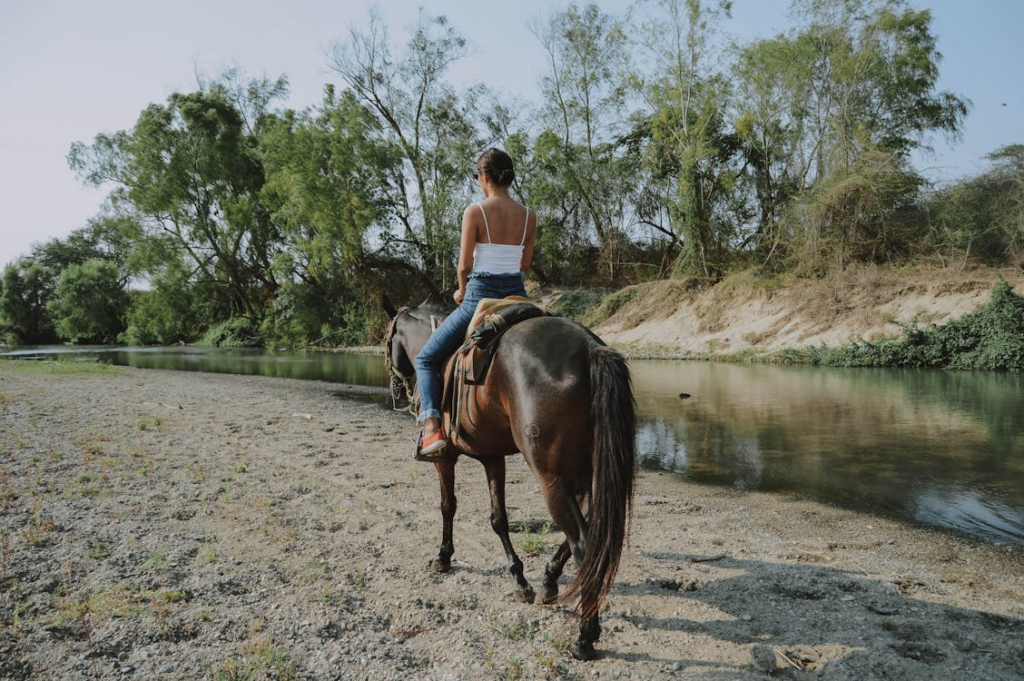
Over 6 million horses are kept domestically in the US, many of which serve the thousands of horseback riders hitting the trails every day, yet most cluster around a handful of famous park loops. Finding quiet corridors requires a bit of research and a willingness to drive past the primary visitor center.
The real magic happens when the sound of tourists fades into the rhythmic thud of hooves on soft needles. These hidden gems offer a level of solitude that is becoming increasingly rare in modern travel.
Secluded Canyons of the American Southwest
The desert holds secrets far beyond the paved paths of Zion or Bryce Canyon. In the rugged folds of the Kaibab National Forest, riders can navigate through ponderosa pines that open into sweeping vistas of the Grand Canyon’s North Rim.
These trails offer a cooler climate than the exposed canyon floor, allowing for longer treks during the summer months. This area is a top destination for those seeking a peaceful escape from seasonal crowds.
Planning a trip to these remote locations requires more than just a sturdy pair of boots. The environment can be harsh on your horse, especially when moving between different elevations or through boggy river bottoms.
- Check trail conditions with local ranger stations before unloading your trailer
- Pack more water than you think you need for both horse and rider
- Carry a basic first aid kit designed for equine trail emergencies
Lead your mount, the canyon is deep, red rock provides a timeless sanctuary.
Navigating the Forested Valleys of the Southeast
The Appalachian range provides a completely different sensory experience characterized by dense canopies and winding river crossings. The Cohutta Wildlife Management Area in North Georgia is a prime example of a hidden gem where trails are often shared only with local deer.
These forested river valleys are stunning, but they are also breeding grounds for aggressive biting insects. Using comfortable fly masks for pets ensures your horse stays focused on the technical terrain rather than shaking its head at persistent gnats, and breathable, close-knit materials that block pests while allowing for clear vision during long rides are advised. When your mount isn’t distracted by pests, you can actually appreciate the geological wonders of the Blue Ridge.
Humidity in the Tennessee-North Carolina border region creates a lush environment where insect activity is at its peak. Riding through the Little Pine Gem Mine area offers a glimpse into history, but the damp valley floors require proactive protection. And while rivers might be fishing hotspots, they can pose problems for unprepared horseback riders.
Exploring the Deep Greens of the Pacific Northwest
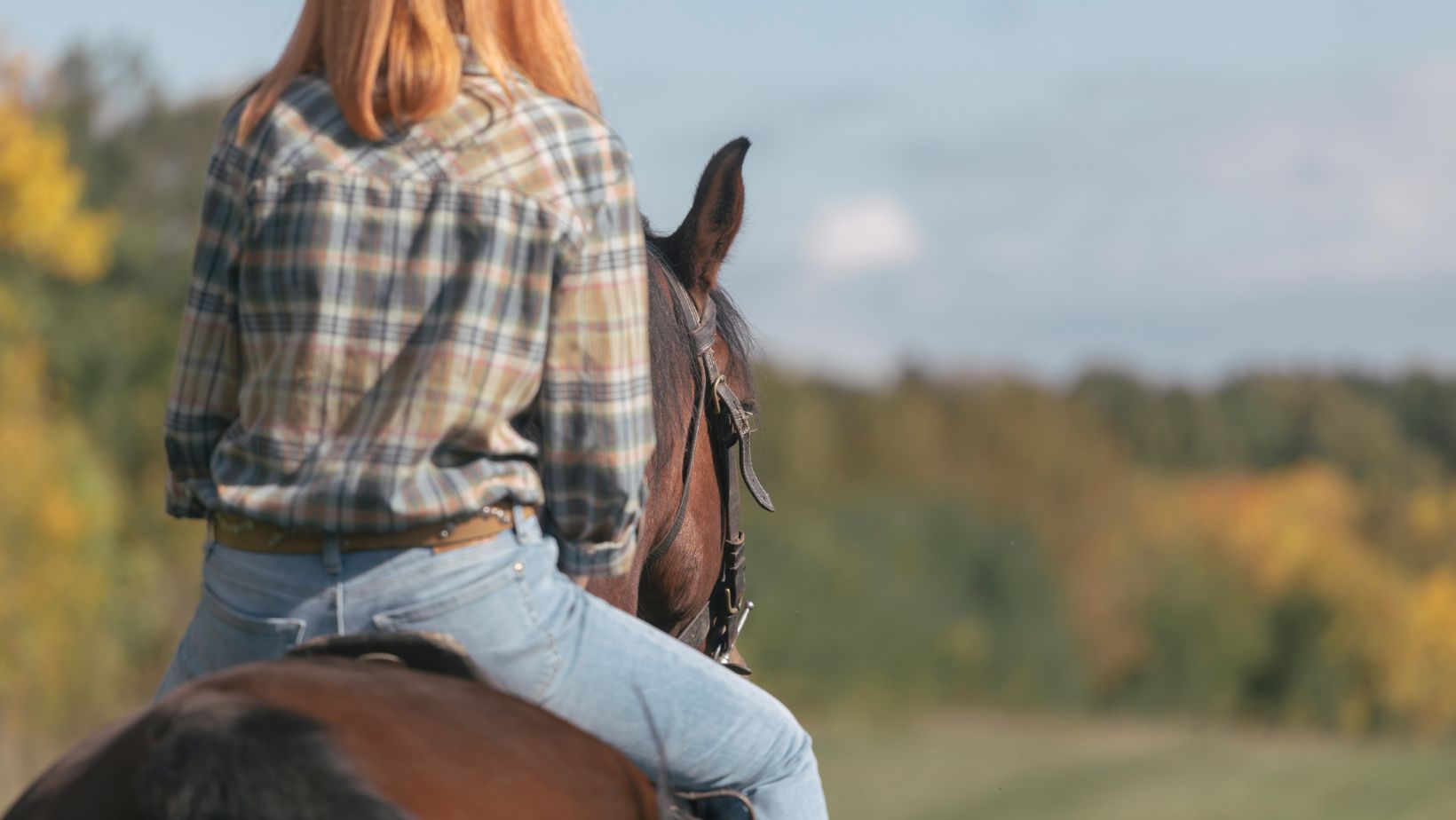
Washington state is home to the Yacolt Burn State Forest, where the Tarbell Trail leads to the hidden beauty of Hidden Falls. This isn’t a typical tourist ride; it is a trek through ancient volcanic landscapes and regrowth forests.
The lack of crowds in these state forests means you have a better chance of spotting elk in their natural habitat. Mounting up for these excursions transforms a simple weekend ride into a memorable expedition. By choosing trails that sit just outside the spotlight, you help preserve these areas while finding your own pace.
Preparing Your Equine for Remote Terrain
Equine travel is about the bond between the animal and the landscape. Proper preparation ensures that both you and your horse can enjoy the journey without unnecessary stress.
If you are looking for more tips on preparing for an upcoming trip, whether or not it’s horse-related, check out our recent posts covering travel topics of all types, so you can anticipate any adventure with excitement.