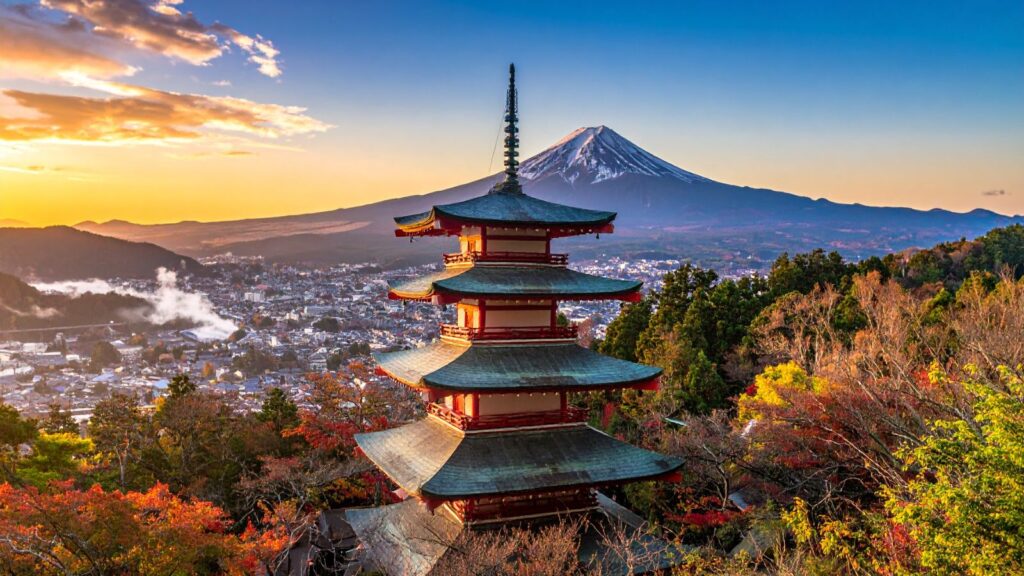
Japan is one of the most exciting destinations in the world. Whether you dream of seeing ancient temples, eating incredible food, or exploring cutting-edge cities, Japan has something for everyone. But planning your first trip can feel overwhelming. There are so many choices. When should you go? How much will it cost? What is the culture really like? This guide will help you answer these questions and prepare for an amazing adventure.
Understanding Japanese Culture and Etiquette
Before you pack your bags, it is important to understand Japanese culture. Japan has deep traditions that go back thousands of years. Japanese people respect order, cleanliness, and politeness. This shapes how they interact with each other and with visitors.
One key custom is removing your shoes indoors. When you enter a home, temple, or traditional restaurant, you will need to take off your shoes. This is not optional. It is a sign of respect. Many restaurants and hotels have specific areas for shoes, so do not worry about finding a place to put them.
Japanese people are also very quiet in public spaces. Speaking loudly on trains or buses is considered rude. Keep your voice down. Do not talk on your phone while riding public transportation. This applies even in busy areas like Tokyo, including many tokyo hotels that keep a calm atmosphere for guests.
Bowing is another important gesture. You do not need to bow like a native, but a small bow shows respect. A quick nod of the head is often enough when thanking someone or greeting them. Japanese people will appreciate your effort to show respect, even if you do not do it perfectly.
Getting Around: Transportation Made Easy
Japan has one of the best transportation systems in the world. Do not worry about renting a car or figuring out confusing routes. You will get around easily.
Trains are the best way to travel between cities. The Japan Rail Pass (JR Pass) is a ticket that lets you ride most trains for a fixed price over a certain number of days. If you are staying for two weeks or more, a JR Pass will save you money. You can buy one before you arrive or at the airport.
Within cities, you will use a combination of trains, subways, and buses. Tokyo and Osaka have excellent subway systems. Kyoto has buses that connect all the major sites. Every train and bus has English signs and announcements. Getting lost is difficult because the system is so well organized.
One helpful tip is to get a prepaid card like Suica or Pasmo. You can use these cards on almost all trains, buses, and even some shops. Load money onto the card and tap it when you board. It is faster than buying individual tickets.
For exploring specific regions in depth, consider booking private day trips in Japan with local guides. A guided tour takes the stress out of planning routes and allows you to see hidden gems that tourists often miss.
Food: Your Culinary Adventure
Japanese food is one of the best parts of any trip. You will eat some of the best meals of your life. The good news is that eating well does not have to be expensive.
Start by understanding the basics. Sushi is raw fish on rice. Ramen is a noodle soup. Tempura is battered and fried food. Udon is thick noodles in broth. These are not the only options. You will also find tonkatsu (fried pork cutlet), okonomiyaki (savory pancakes), and yakitori (grilled chicken skewers).
Convenience stores like 7-Eleven and FamilyMart have excellent food at low prices. You can get a full meal for five to eight dollars. The food is fresh, safe, and delicious. Many travelers eat breakfast and lunch at convenience stores to save money.
Restaurants range from tiny noodle shops to high-end dining. Do not be intimidated by restaurants without English menus. You can point at photos. Other customers will often help you. Prices are clearly marked. You will rarely have a bad meal in Japan.
Tap water is safe to drink everywhere in Japan. You do not need to buy bottled water. This will save you money during your stay.
One important note: most restaurants in Japan do not tip. Tipping can actually make people uncomfortable. If service is included in the bill, do not add extra money.
Budgeting for Your Trip
Japan is expensive compared to other Asian countries, but it is still reasonable for many travelers. A budget traveler can eat well and see major sites for sixty to eighty dollars per day. This includes a hostel room, meals, and entry fees.
Mid-range travelers should budget one hundred to one hundred fifty dollars per day. This covers a decent hotel room, good food, and activities.
The biggest costs are flights and hotels. Flights from North America cost four hundred to eight hundred dollars depending on the season. Hotels in Tokyo and Kyoto range from thirty dollars for a hostel to three hundred dollars for a nice hotel.
Entry fees to temples, shrines, and museums are cheap. Most sites cost five to ten dollars to enter. Even major attractions like Mount Fuji do not have entry fees.
Food is very affordable. A bowl of ramen costs five dollars. Sushi lunch sets cost eight to fifteen dollars. Convenience store meals cost three to five dollars.
One way to save money is to visit during low season. Japan is crowded during cherry blossom season (late March to early April) and golden week (late April to early May). Hotels cost more and attractions are packed. You will have a better experience and spend less money if you visit at other times.
Finest Times to Visit
Japan has four distinct seasons. Each one has its own appeal.
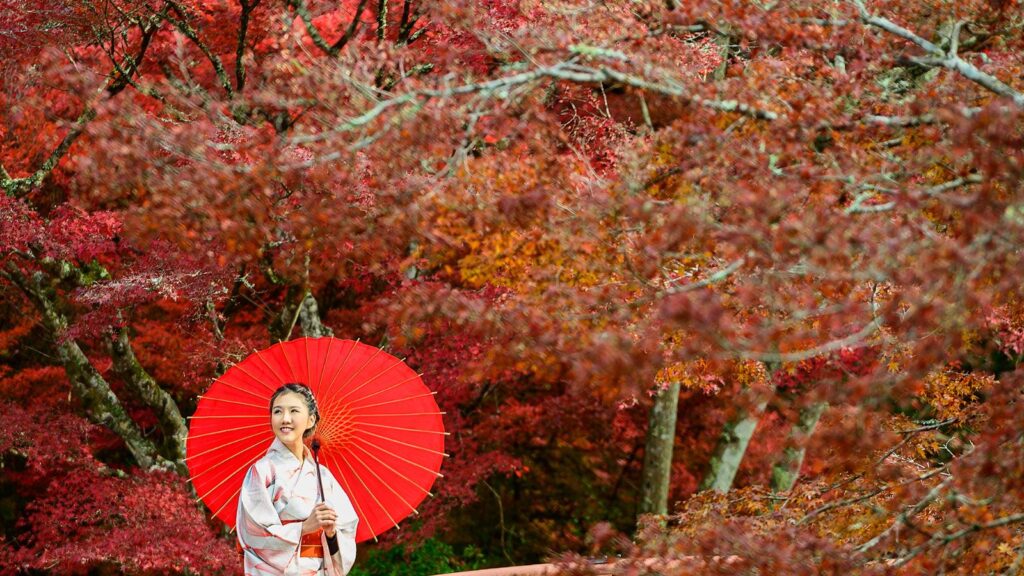
Spring (late March to May) brings cherry blossoms and mild weather. It is the most popular season, so book hotels early. Summer (June to August) is hot and humid but cheaper. Autumn (September to November) is many travelers’ favorite time. The weather is cool and the leaves turn beautiful colors. Winter (December to February) is the cheapest season with fewer crowds, especially in Kyoto.
Must-Visit Places for First-Time Travelers
Most first-time visitors see Tokyo, Kyoto, and one other area. Tokyo is the capital where modern skyscrapers stand next to ancient temples. Visit Senso-ji Temple, shop in Shibuya, and eat in Tsukiji Outer Market.
Kyoto is the old capital with over two thousand temples and shrines. Visit Fushimi Inari Shrine and the bamboo forests of Arashiyama. From Osaka, you can easily reach both Kyoto and Nara (home to friendly deer and ancient temples). Hiroshima and Miyajima are also worth a visit for history and the famous floating torii gate.
Do not try to see everything. A good first trip includes two or three regions. You can always return to see more.
Practical Tips for Your Journey
Here are a few important things to know before you arrive.
Get a Japan SIM card or pocket WiFi for your phone. You will need internet to navigate cities and communicate. You can buy a SIM card at the airport for about ten dollars per week.
Learn a few basic Japanese phrases. “Arigatou gozaimasu” (thank you very much) and “sumimasen” (excuse me) go a long way. Japanese people appreciate when you try, even if your pronunciation is not perfect.
Visit the tourism information offices in major cities. Staff members speak English and can give you free maps and advice. This is incredibly helpful for planning your days.
You will want to check out Japan travel tips and planning resources before you go. These resources cover everything from packing tips to regional guides.
Make copies of your passport and store them separately from the original. This is basic travel safety that applies everywhere.
Do not worry about credit cards. Major cities accept them widely. However, carry some cash for temples, small restaurants, and rural areas. Many places are still cash only. ATMs at convenience stores accept foreign cards.
Book major activities in advance during peak season. Museums and popular restaurants may be full if you try to book the day before.
Final Thoughts
Your first trip to Japan will change how you see the world. The culture is unique. The food is incredible. The people are kind and helpful. Japan is very welcoming to visitors who show respect and effort.
Start simple. Plan a route that connects two or three regions. Leave room for spontaneity. Try new foods. Visit temples and museums. Take time to simply sit and observe.
Japan will exceed your expectations. You will return home with amazing memories and likely start planning your next trip before you even leave. Start planning today. Your adventure awaits.