Planning a wedding in a tropical paradise or a historic European city sounds like a dream. It really does. The photos are stunning. The memories are for a lifetime. But nobody talks about the physical toll. It’s a marathon dressed up as a party. You’re dealing with long-haul flights; heavy luggage; uneven cobblestone streets; and hours of standing in formal footwear. By the time you reach the altar, your joints might be screaming louder than the music.
Managing the physical stress of a destination wedding isn’t just about a spa day. It’s about tactical planning. It’s about knowing how to protect your body from the unique strains of travel and celebration.
The Travel Toll: Beyond the Jet Lag
The stress starts way before the first toast. It starts at the airport. You are hauling bags that weigh fifty pounds. You’re cramped into a middle seat for eight hours. This isn’t just uncomfortable; it’s a setup for inflammation.
Your knees and lower back take the brunt of it. Sitting stationary for long periods causes fluids to pool. It makes everything stiff. Then, you land and immediately jump into “wedding mode.” You’re lifting boxes of decorations. You’re walking miles through a resort. Your body doesn’t get a chance to recover from the flight before you demand peak performance from it.
Physical Hacks for the Journey
- Compression is your friend. Wear those socks. They look a bit silly, but they keep the blood moving. Your ankles will thank you when you try to slide into those tight wedding shoes later.
- Hydration isn’t a suggestion. Airplanes are deserts. Dehydration makes your joints feel like they’re rubbing against sandpaper. Drink twice as much water as you think you need.
- Move every hour. Even if it’s just a walk to the galley. Wake up the muscles.
The Venue Trap: Cobblestones and Sand
We love a vintage vibe. A Tuscan villa or a Greek island village offers incredible backdrops. However, those surfaces are a nightmare for human biomechanics. Walking on uneven ground requires your stabilizer muscles to work overtime. If you aren’t used to it, you’re looking at acute joint pain or even a rolled ankle.
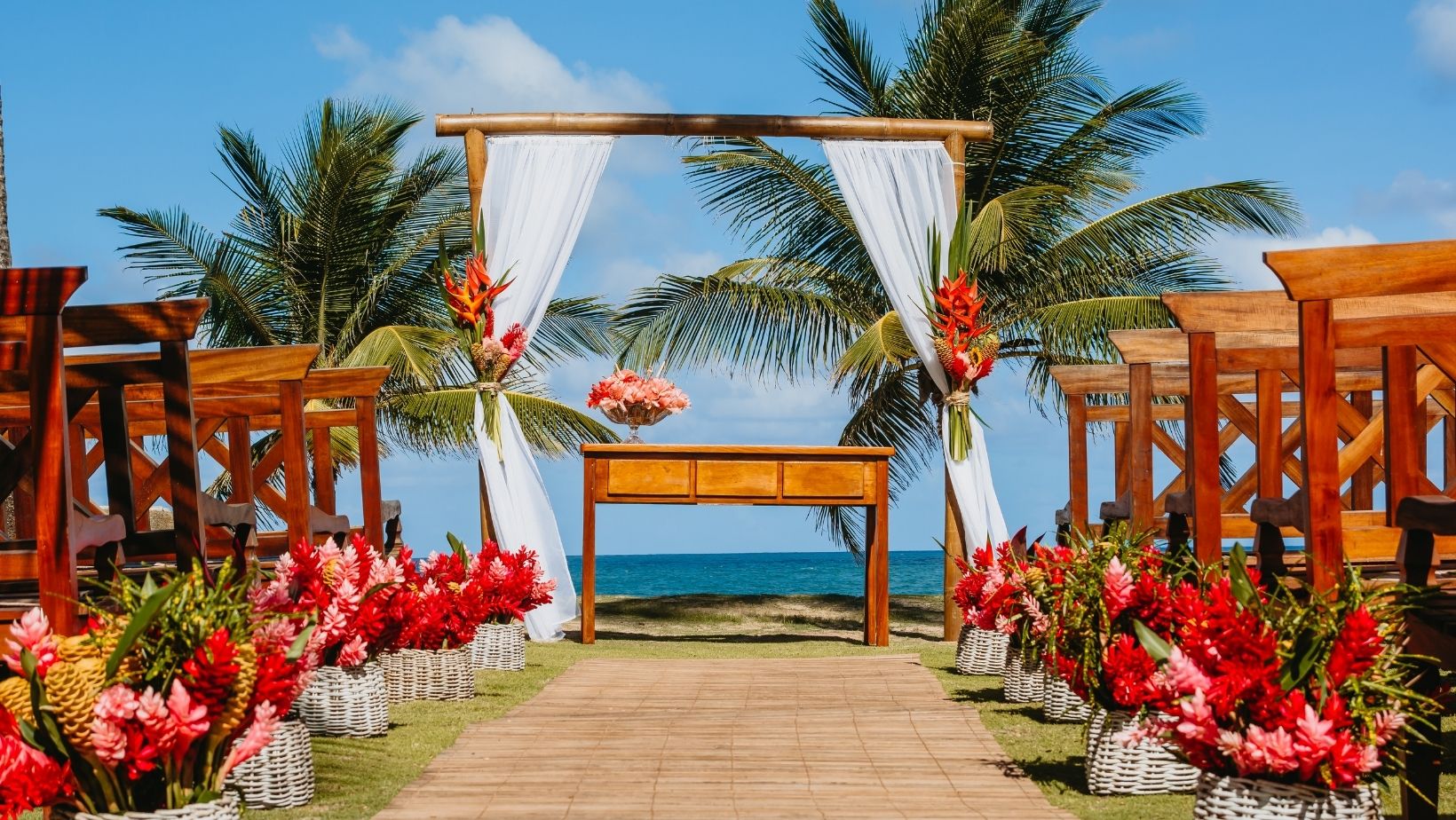
Sand is just as tricky. It’s beautiful for a ceremony, but it’s an unstable surface. Every step requires more force. If you are already dealing with chronic issues like osteoarthritis, these environments can trigger a massive flare-up. You want to be present for the vows; not focused on the throbbing in your kneecaps.
When the pain becomes a barrier to the experience, many people realize that standard over-the-counter options aren’t cutting it. It is often about looking for long-term lubrication for those weight-bearing joints. Finding a way to order orthovisc online or discussing similar viscosupplementation with a specialist can be a game-changer for people who refuse to let joint stiffness ruin their big trip. It provides that much-needed cushion, allowing the knees to move without that bone-on-bone sensation that often accompanies high-stress travel and long days on your feet.
The Footwear Fiasco
Fashion usually wins over function at weddings. It’s understandable. But four-inch heels on a lawn? Thin-soled dress shoes on marble floors? That’s a recipe for disaster. The impact of every step travels straight up your legs into your hips and spine.
You need a strategy. Don’t wear the “big day” shoes for the rehearsal. Save the precious footwear for the actual ceremony. Use inserts. Use padding. Give your arches a fighting chance. If you can find a way to wear stylish sneakers during the setup phase, do it. Your body has a finite amount of “impact credit” it can spend over a weekend; don’t waste it on the welcome dinner.
The Hidden Weight of Logistics
People forget that destination weddings involve a lot of manual labor. Unless you have a massive team of planners, you’re likely moving “stuff.” Welcome bags. Floral arrangements. Tents. Gift boxes.
This repeated lifting and twisting is where the real danger lies. You’re tired. You’re probably a bit stressed. Form goes out the window. One wrong twist while moving a crate of champagne can result in a back spasm that lasts the entire honeymoon.
Organizing the Labor
- Delegate the heavy lifting. Hire local help or ask the youngest, fittest members of the wedding party to handle the crates.
- Break it up. Don’t try to set up the entire venue in one four-hour block. Give your joints a rest.
- Stretch intentionally. This isn’t just about “feeling good.” It’s about keeping the muscles long and the joints mobile under pressure.
Recovery is Part of the Schedule
We often pack wedding itineraries so tightly that there is zero downtime. That’s a mistake. You need to build in “body maintenance” windows. This isn’t just about sleeping; it’s about active recovery.
Ice packs are underrated. If you’ve been standing for six hours at a cocktail hour, get some ice on your knees or feet before you go to bed. It keeps the inflammation at bay. Heat helps with the muscle tension in your shoulders from the stress of coordinating vendors.
You have to listen to the signals. If a joint feels “hot” or stiff, that is your body telling you to slow down. Pushing through it with sheer willpower usually leads to a crash right as the reception starts. Nobody wants to be the person sitting in the corner with a bag of frozen peas while everyone else is on the dance floor.
Nutrition and Inflammation
What you eat and drink affects how your body handles physical stress. Alcohol is a massive inflammatory agent. It’s hard to avoid at a wedding, but balance is key. Sugar also plays a role. If you are consuming high amounts of both, your joints are going to feel it.
Focus on anti-inflammatory foods when you can. Omega-3s, leafy greens, and plenty of clean protein. It sounds boring for a vacation, but it’s the fuel that keeps your joints moving. It keeps the “puffiness” down.
The Psychological-Physical Connection
Stress isn’t just in your head. It manifests in your jaw, your neck, and your hips. When you are worried about the caterer being late, your body tenses up. This chronic tension makes you more susceptible to injury.
Try to find moments of stillness. Take five minutes away from the crowd. Drop your shoulders. Breathe. This physical release tells your nervous system that it’s okay to relax. It prevents the kind of rigid movement that leads to strains and pulls.
Final Thoughts on the Big Day
You’ve put months of work into the aesthetics. You’ve picked the perfect location. Don’t let a lack of physical preparation be the thing that stands in the way of your enjoyment. Treat yourself like an athlete preparing for an event.
Pack the right tools. Be honest about your physical limits. If you need medical support for your joints, secure it well in advance. Wear the comfortable shoes during the walkthrough. Stay hydrated. When you finally stand there, looking at your partner with the sunset behind you, you want to be thinking about the moment; not the sharp pain in your knee.
A destination wedding is a beautiful challenge. Respect the physical side of that challenge, and you’ll actually be able to dance the night away.