
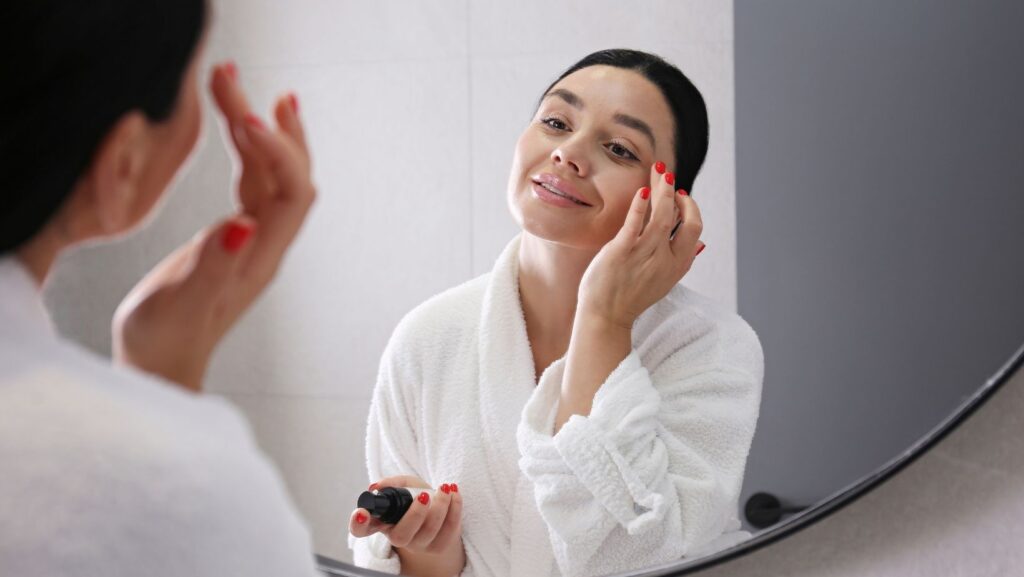
Packing a suitcase used to be about the outfits. Now? It’s about the “face kit.” But not the one filled with seventeen different serums and a heavy foundation that cracks the moment you hit thirty thousand feet. Things have changed. We are seeing a massive shift in how people approach their appearance before they even head to the airport. The goal is no longer about fixing things on the go. It is about being ready before the taxi arrives.
Travel is exhausting; there is no way around that. Red-eye flights, changing humidity levels, and the frantic dash between terminals. It all shows up on the skin. Yet, the current trend isn’t about more makeup. It is about having less to do. People want to wake up in a hotel room in Tokyo or a villa in Tuscany and look like they actually slept.
The Death of the High-Maintenance Travel Bag
Nobody wants to spend forty minutes in front of a tiny hotel mirror anymore. We have moved into an era where “subtle” is the ultimate flex. It is the art of looking like you haven’t done anything at all, even though you’ve put in the prep work weeks in advance.
The heavy contouring and the thick layers of product are staying home. Instead, travelers are investing in treatments that do the heavy lifting for them. This shift is practical. If your skin looks hydrated and your features look rested without a drop of product, you save space in your carry-on. You save time. You avoid the dreaded “airport face” where everything just looks a bit gray and deflated.
Why Pre-Trip Tweaks are the New Standard
The logic is simple. Why pack a bag full of “miracle” creams that take six weeks to work when you can address the root of the issue before you leave? It is an analytical approach to beauty. You identify the pain points; tired eyes, thinning lips, or a loss of volume; and you solve them.
- Time management: Every minute spent blending foundation is a minute not spent exploring a new city.
- Climate resilience: Makeup melts in the humidity of Bali and flakes in the dry cold of the Alps. Skin that is already “set” doesn’t have those problems.
- Confidence in high-definition: With everyone documenting their trips on social media, the pressure to look “on” is real. Subtle work ensures you look like the best version of yourself in every lighting.
This isn’t about changing your face. It is about maintenance. It is about keeping the structure there so the environment can’t tear it down.
The Science of Staying Hydrated From Within
Airplanes are essentially giant vacuum cleaners for skin moisture. You can drink all the water you want, but the cabin air is relentless. This is where the modern traveler gets smart. Instead of topical oils that just sit on the surface, the focus has turned to deep-seated hydration.
There is a specific kind of magic in treatments that pull moisture into the deeper layers of the dermis. When you look at how certain injectable gels function, they don’t just fill space; they act as a reservoir. They hold onto water. They keep the skin plump even when you are dehydrated and jet-lagged. By opting for Restylane dermal filler treatments, individuals are essentially building a safety net into their skin. These procedures provide a refined structure that stays put. They don’t migrate or look “done.” They just make the face look like it hasn’t spent twelve hours in a pressurized tube. It is the difference between looking haggard and looking like you just had a very expensive nap.
The “No-Filter” Reality of Modern Tourism
We live in a world of 4K cameras. The old tricks don’t work anymore. You can see the texture. You can see the heavy concealer settling into fine lines. This is why travelers are leaning into “micro-optimizations.”
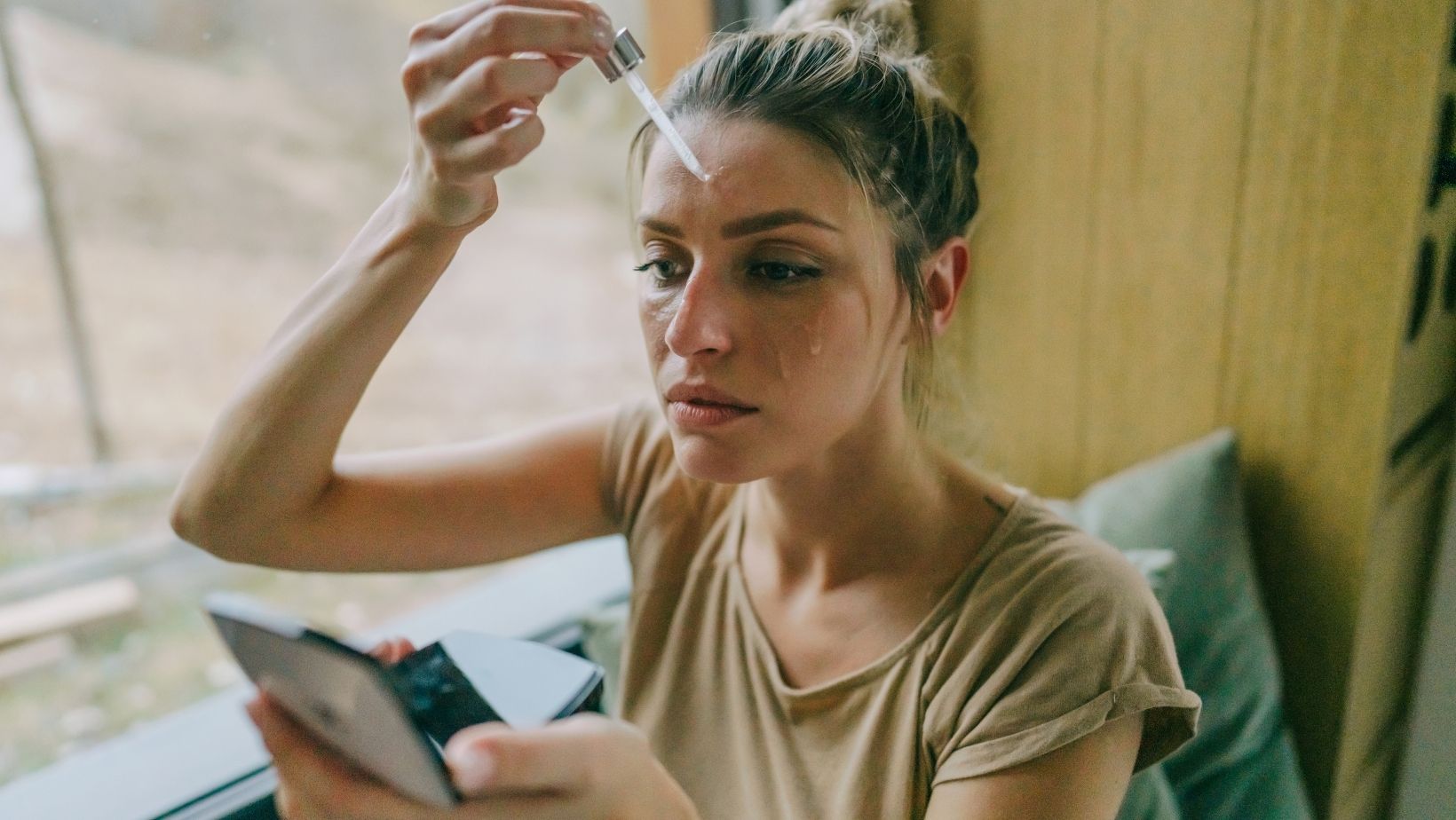
Think about the jawline or the subtle lift of a cheekbone. These aren’t dramatic transformations. They are small adjustments that catch the light better. When you are moving through different time zones, your salt intake changes and your sleep patterns break. Your face usually swells or sags. But with a bit of strategic structural support, those fluctuations are much less noticeable. You maintain a baseline of “good.”
Minimalism as a Luxury Statement
There is a certain status in being the person who doesn’t need the vanity lighting. The traveler who can jump off a plane and go straight to a lunch meeting without a full “face-beating” session is the one who has mastered the game.
It feels like a return to a more effortless kind of glamour. It is less about the “glam squad” and more about the clinical preparation. We are analyzing beauty like a logistics problem. How do we get the maximum result with the minimum daily effort? The answer is always in the prep work.
- Longevity: Most of these subtle enhancements last through three or four different trips.
- Adaptability: They work whether you are hiking or attending a gala.
- Discretion: No one asks what you did; they just ask where you went on vacation because you look so refreshed.
Breaking Down the Aesthetic Shift
The conversation has moved away from “erasing” age. Now, we talk about “supporting” the face. The goal is to prevent the collapse that happens during high-stress travel periods. It is structural integrity. If the foundation of the house is solid, you don’t need to keep repainting the walls every morning.
This trend is also a response to the “tweakment” culture becoming more transparent. People aren’t hiding the fact that they get a little help. They are proud of the efficiency of it. It’s a smart move for someone who travels for work. If your schedule is packed, you don’t have the luxury of a bad skin day. You need your face to be as reliable as your laptop.
The Psychological Benefit of the “Always-On” Look
There is a mental load that comes with worrying about how you look. When you are in a foreign country, you want to be present. You want to look at the architecture, taste the food, and meet the people. If you are constantly checking your reflection to see if your under-eye bags have reached your chin, you aren’t really there.
By choosing long-lasting, subtle enhancements, you delete that worry from your brain. It is one less thing to manage. You know the volume is there. You know the skin looks bright. You can focus on the experience. That is the true luxury of this approach; it buys you mental space.
Looking Toward the Future of Travel Beauty
We are likely to see even more specialized treatments designed specifically for the frequent flyer. The industry is moving toward “preventative maintenance” rather than “emergency repair.”
The modern traveler is savvy. They know that a bottle of expensive cream at the duty-free shop is a bandage, not a cure. They are looking for results that stay. They want to be the person who looks the same at the end of a ten-hour flight as they did at the start. It sounds impossible, but with the right strategy, it is becoming the new baseline.
Subtlety is the key. The best work is the kind that makes people think you just have great genes and a very relaxing life. Even if the reality is that you’ve been working sixty-hour weeks and just spent half a day in economy class.