

The suitcase is still sitting by the door; half-unpacked and smelling of salt air. You feel great, mentally at least. But then you look in the mirror. There is a certain tightness there. A bit of unexpected redness that wasn’t there when you boarded the flight out. It is the classic post-holiday tax. We spend a week chasing the sun, and the sun eventually catches up with us.
Sunscreen helps, sure. We all lather it on. But the combination of UV rays, chlorine, salt water, and perhaps a few too many sunset cocktails does a number on the skin’s biological defense system. It is not just a tan. It is a structural shift. The barrier is tired. It needs a recovery plan that goes deeper than just slathering on some heavy cream and hoping for the best.
The Invisible Shield Under Pressure
Think of your skin barrier as a very thin, very complex security fence. When it is healthy, it keeps the moisture in and the irritants out. After a heavy dose of sun, that fence starts to lean. UV radiation triggers a cascade of oxidative stress. This isn’t just surface level; it affects the very lipids that hold your skin cells together.
You might notice your usual moisturizer suddenly stings a little. Or maybe your skin looks dull despite the “glow” you thought you earned. That is the barrier crying out. It has lost its ability to regulate itself. The water is evaporating out of your pores faster than you can drink it. This leads to a state of chronic dehydration that makes fine lines look like deep canyons.
Why Surface Hydration Isn’t Enough
Most people reach for aloe vera. It feels cold. It provides a temporary sense of relief. But aloe is mostly water. Once it evaporates, you are back to square one. To truly fix the damage, you have to talk to the skin in its own language. You have to address the cellular signaling that has been disrupted by all those hours on the beach.
The recovery process requires more than just masking the dryness. It requires raw materials. We are talking about fatty acids, ceramides, and specific signaling molecules that tell the skin to start the repair work. If you don’t provide these, the skin stays in a state of “emergency mode.” It stays inflamed. It stays reactive.
The Biology of Repair
When we talk about fixing the skin after the sun has battered it, we are really talking about chemistry. The skin needs to rebuild its scaffolding. There is a specific class of ingredients that has changed the way we look at this recovery phase. These are small chains of amino acids that act as messengers. They tell the body to produce more collagen; they signal for the repair of damaged tissues.
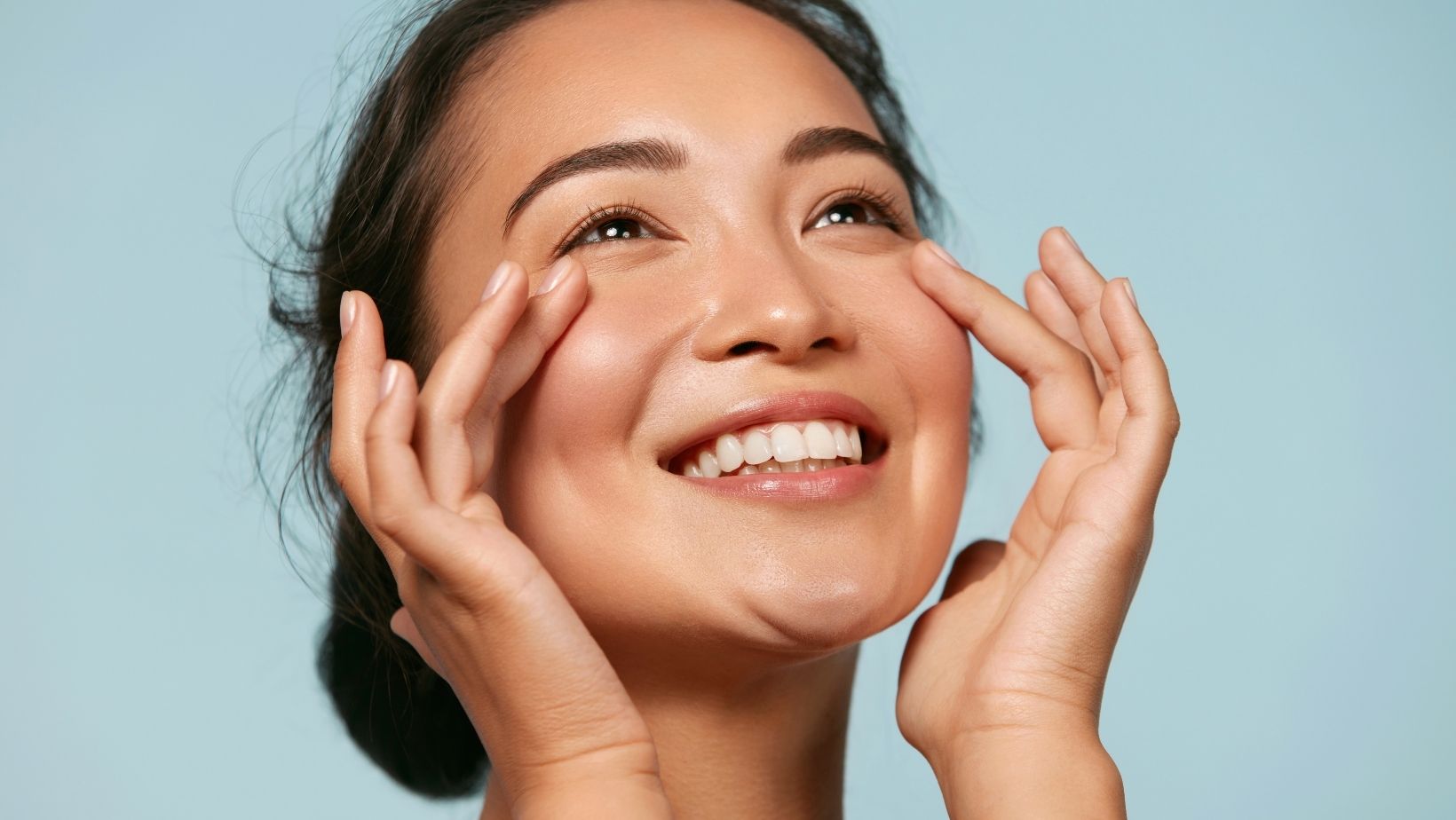
The decision to purchase cosmetic peptides online has become a common move for those looking to support this exact biological repair phase. These molecules don’t just sit on top of the skin like an oil. They are designed to be recognized by the cells. They provide a blueprint. When the skin is overwhelmed by UV damage, its internal communication lines get fuzzy. These specific compounds help clear the static. They encourage the skin to find its balance again, focusing on the structural integrity that the sun worked so hard to strip away. It is about working with the body’s natural rhythm rather than just forcing a heavy layer of grease over the problem.
The Problem with “Stripping” Habits
We often make the mistake of trying to “scrub away” the post-vacation dullness. It feels intuitive. You see flaky skin, you want to exfoliate it. Please, put the scrub down. Your skin is already wounded. Using acids or physical beads right now is like trying to sand a sunburned piece of wood; it only makes the splinters worse.
Instead, the focus should be on “re-fatting” the skin. You want to use cleansers that feel more like milks or oils. You want to avoid that “squeaky clean” feeling. That sound is actually the sound of your remaining natural oils being washed down the drain. After sun exposure, your skin needs every drop of sebum it can get its hands on.
A Targeted Recovery Routine
The goal here is a return to baseline. We aren’t trying to achieve a miracle in twenty four hours. We are trying to soothe the fire.
- Cooling without Alcohol: Check your toners. If alcohol is in the top five ingredients, toss it. Look for rosewater or cucumber extracts that lower the skin temperature without drying it out.
- Layering Humectants: Use products that pull water into the skin. Glycerin is an old-school hero here. It is cheap, effective, and doesn’t irritate.
- Sealing the Deal: Once you’ve put the hydration in, you must lock the door. A balm or a heavy ceramide cream acts as a temporary barrier while your real one heals.
The Role of Internal Recovery
We focus so much on what we put on our faces that we forget the skin is an organ fed from the inside. Sun exposure creates a massive amount of free radicals. These are unstable molecules that bounce around your system, causing damage to everything they touch.
Antioxidants are the cleanup crew. After a trip, you should be loading up on Vitamin C, Vitamin E, and polyphenols. Think dark berries, leafy greens, and maybe even a supplement or two. You are trying to neutralize the internal fire while you treat the external smoke.
Long-Term Texture Management
A week or two after the holiday, the “peeling” phase usually begins. This is the body’s way of getting rid of cells with damaged DNA. It is a protective mechanism. Even though it looks patchy and annoying, let it happen naturally. If you pull at the skin, you risk scarring or permanent pigment changes.
Once the sensitivity has died down, you can slowly reintroduce very gentle enzymes. Pineapple or papaya enzymes are great because they “digest” the dead skin cells without the harshness of a chemical peel. This helps you get back that smooth texture without triggering a new round of inflammation.
The Importance of Sleep and Humidity
Your skin does the bulk of its repair work while you are asleep. After a vacation, your circadian rhythm might be a mess. This affects your cortisol levels, which in turn affects your skin’s ability to heal. Try to get back into a regular sleep cycle as fast as possible.
If you live in a dry climate or have the heater on, consider a humidifier. Keeping the air moist prevents the “trans-epidermal water loss” that happens overnight. It gives your skin a break. It allows the barrier to focus on rebuilding rather than just trying to survive the dry air.
Moving Forward
The sun is a double-edged sword. We need it for our mood and our Vitamin D, but it is a harsh taskmaster for our complexion. Recovering isn’t about one magic product. It is about a shift in philosophy. It is about moving from “attacking” the skin with actives to “nurturing” it with bio-identical ingredients.
Listen to the texture. Watch the color. If your face feels tight, it is thirsty. If it is red, it is angry. Respect those signals. By the time your next trip rolls around, your skin will be much more resilient because you took the time to fix the foundation this time. It is a cycle of protection and repair. The better you get at the repair part, the longer that holiday glow actually lasts.