East Africa is one of those rare destinations that can be visited at virtually any time of year and still deliver a remarkable wildlife experience. Unlike some travel destinations where timing is everything, the national parks and reserves of Kenya, Uganda, and Tanzania maintain their appeal across all twelve months. That said, the seasons do influence what you are likely to see, where animals congregate, and how comfortable your time in the bush will be. Whether you are planning your first safari or returning for another chapter, understanding East Africa’s seasonal rhythms will help you make the most of your time. For travelers considering Uganda as part of their itinerary, africasafaritrips offers a helpful starting point for understanding what the country has to offer across the year.
January and February: Dry Season Wildlife Viewing at Its Finest
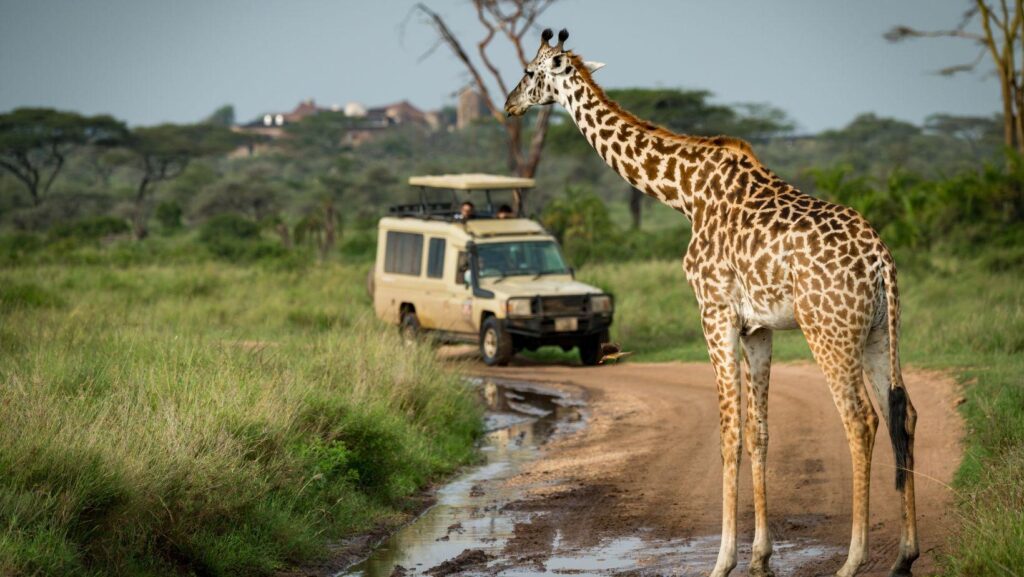
The opening months of the year fall within one of East Africa’s two dry seasons, and they are widely regarded as among the best months for safari. Vegetation is sparse, water sources are limited to rivers and permanent watering holes, and animals congregate in predictable locations that make sightings both frequent and often spectacular. In Kenya’s Maasai Mara and Amboseli, large herds of elephants, buffalo, and plains game are a near-daily occurrence, while predator activity is high as lions and cheetahs take advantage of the open landscape.
January and February also coincide with the calving season in Tanzania’s Serengeti, when hundreds of thousands of wildebeest give birth in a remarkably compressed window of time. This abundance of vulnerable young animals attracts large numbers of predators and creates some of the most dramatic wildlife viewing of the entire year. For travelers who want outstanding game viewing without the peak season crowds of July and August, January and February represent an excellent and often underrated window.
March, April and May: The Long Rains and What They Mean for Safari
March marks the beginning of East Africa’s long rainy season, which typically runs through to the end of May. Rainfall patterns vary considerably across the region, with some areas receiving heavy daily downpours while others experience more intermittent showers. The landscape transforms dramatically during this period, turning lush and intensely green as rivers fill and vegetation flourishes.
The long rains present both challenges and opportunities for safari travelers. Some roads in more remote areas become difficult or impassable, and certain camps and lodges close for the season. On the other hand, this period sees significantly reduced tourist numbers, lower prices, and a landscape of extraordinary beauty. Birdlife reaches its peak during and after the rains, as migratory species arrive and resident birds display breeding plumage. For photographers and birding enthusiasts, the green season holds a genuine appeal that the dry season cannot replicate.
June and July: The Start of Peak Season
As the long rains draw to a close in June, East Africa enters its most popular safari season. The landscape begins to dry out, animals become easier to locate, and the wildebeest herds in the Serengeti start their northward movement towards Kenya’s Maasai Mara. By July, the migration is well underway and the Mara is alive with activity as the first river crossings begin to take place.
June and July are also excellent months for gorilla trekking in Uganda. The drier conditions make forest trails more manageable, and the reduced rainfall makes for a generally more comfortable trekking experience in Bwindi Impenetrable Forest and Mgahinga Gorilla National Park. Accommodation across the region fills quickly during this period, and permits for gorilla and chimpanzee trekking should be secured well in advance.
August and September: The Great Migration and Beyond
August and September represent the absolute peak of safari season in East Africa, driven largely by the Great Migration in Kenya’s Maasai Mara. During these two months, enormous herds of wildebeest and zebras are present in the Mara ecosystem, and the dramatic river crossings at the Mara River are at their most frequent and most spectacular. Witnessing a crossing, with thousands of animals plunging into crocodile-filled waters in a chaotic surge of instinct and momentum, is an experience that ranks among the most extraordinary in the natural world.
Beyond the migration, August and September offer outstanding game viewing across East Africa more broadly. In Uganda, the dry conditions continue to favor wildlife encounters, and both gorilla and chimpanzee trekking remain excellent. The combination of Kenya and Uganda in a single itinerary during this period is particularly rewarding, offering two very different but equally compelling wildlife experiences within a relatively compact region of the continent.
October and November: The Short Rains Arrive
October marks the beginning of East Africa’s short rainy season, which typically lasts through November. The rains during this period are generally less intense and more predictable than the long rains of March to May, often falling in short afternoon showers rather than prolonged downpours. Wildlife viewing remains good throughout October and November, and the returning vegetation brings a freshness to the landscape that many travelers find deeply appealing.
October and November also see a significant reduction in tourist numbers following the peak season, which translates into quieter parks, lower accommodation rates, and a more intimate safari experience. For budget-conscious travelers who are flexible with timing, the short rains season offers genuine value without a substantial compromise in wildlife quality.
December: A Festive Month in the Bush
December occupies an interesting position in East Africa’s seasonal calendar. The short rains typically taper off during the first half of the month, and by mid-December the landscape is lush but drying, creating conditions that combine good accessibility with beautiful scenery. The Christmas and New Year period sees a notable increase in visitor numbers, particularly in Kenya’s most popular parks, as travelers from Europe and North America take advantage of the holiday period.
Despite the increased activity around the festive season, December remains a wonderful time to visit East Africa. Wildlife viewing is consistently good, the long evenings offer generous time in the field, and the atmosphere in camps and lodges during the holiday period carries a warmth and conviviality that adds to the overall experience.
Which Destination Suits Which Season Best
Matching your chosen destination to the right time of year is the final piece of the planning puzzle. Kenya’s Maasai Mara is at its absolute best between July and October for the Great Migration, while Amboseli and Samburu deliver excellent game viewing year-round with a slight advantage during the dry months of January, February, June, and July. Uganda’s gorilla trekking is possible throughout the year but is most comfortable during the drier months of June to August and December to February.
For travelers looking to combine multiple destinations in a single East Africa itinerary, the good news is that the seasonal variations across Kenya and Uganda complement each other well, making it possible to plan a trip that takes advantage of the best each country has to offer at any given time of year. A visit to https://africasafaritrips.com/ is a practical first step for travelers ready to start turning their East Africa safari plans into reality.