
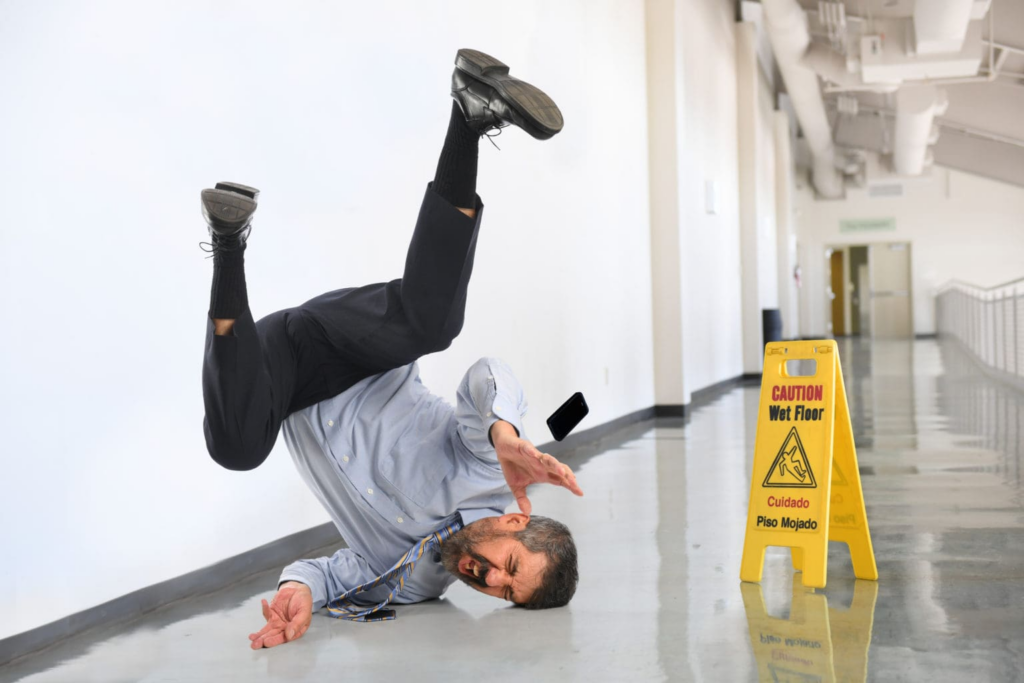
Slip-and-fall accidents are often blamed on clumsiness, distraction, or bad luck. However, many serious falls begin with small hazards that property owners, managers, or businesses could have fixed before someone got hurt.
A raised floor edge, loose mat, small spill, uneven sidewalk, or dim stairwell may not look dangerous at first, but these conditions can cause major injuries when someone loses balance unexpectedly. A Bronx slip and fall lawyer can help investigate whether a seemingly minor hazard was actually an unsafe condition that should have been corrected.
Why Small Hazards Are Easy to Underestimate
Small hazards are dangerous because people often do not notice them until they are already falling. A slight change in elevation, a slick patch of floor, or a curled rug edge can interrupt a normal walking motion in an instant.
Property owners may also underestimate these problems because they look minor compared to obvious dangers. But a hazard does not need to be large to cause a serious fall, especially in crowded areas, poorly lit spaces, or places where people are carrying bags, watching children, or using stairs.
Uneven Sidewalk Edges
A sidewalk slab that is raised even slightly can catch a person’s foot and cause a forward fall. In the Bronx, sidewalks may be affected by tree roots, weather, aging concrete, heavy foot traffic, and nearby construction.
These defects can be especially dangerous near apartment buildings, storefronts, bus stops, schools, and subway entrances. When a sidewalk hazard exists long enough to be noticed and repaired, questions may arise about who was responsible for fixing it.
Loose Floor Mats and Rugs
Floor mats are meant to improve safety by absorbing water and reducing slips. However, when mats curl, bunch, slide, or sit unevenly, they can become trip hazards instead.
Businesses often use mats near entrances, counters, elevators, and restrooms. If a mat is old, poorly placed, or not secured, a customer may catch a foot on it and fall before realizing anything is wrong.
Small Spills on Smooth Floors
A small amount of liquid can make tile, polished concrete, or laminate flooring extremely slippery. Clear liquids can be especially hard to see, making them dangerous in stores, restaurants, lobbies, and apartment hallways.
The key question is often how long the spill was present and whether staff had a reasonable chance to clean it. Surveillance footage, witness statements, and cleaning logs may help show whether the hazard was ignored.
Cracked or Broken Stairs
A stair defect does not have to involve a completely collapsed step. A chipped edge, loose tread, uneven riser, worn surface, or missing anti-slip strip can cause someone to lose balance.
Stair falls can lead to serious injuries because the body may strike multiple steps or land awkwardly. Property owners should take stair maintenance seriously because even small defects can create a high risk of harm.
Poor Lighting in Walkways
Poor lighting can turn a minor defect into a serious danger. A small crack, puddle, or uneven surface may be visible in daylight but nearly impossible to see in a dim hallway, stairwell, parking area, or building entrance.
Lighting problems are common in shared spaces where bulbs burn out or fixtures are not maintained. If poor lighting made it harder to see the hazard, it may become an important part of the slip-and-fall claim.
Worn or Slippery Flooring
Some floors become dangerous over time. Worn tile, polished surfaces, loose flooring, damaged transitions, or missing traction strips can make walking areas unsafe.
This risk may be higher when floors are wet from rain, cleaning, leaks, or tracked-in moisture. If a property owner knows a floor becomes slippery under common conditions, stronger safety measures may be needed.
Clutter in Narrow Spaces
Boxes, cords, bags, tools, displays, trash, or delivery items can create hazards when left in walkways. In narrow aisles, apartment corridors, or building entrances, even small clutter can leave people with little room to avoid a fall.
Businesses and property managers should keep walking paths clear. When clutter is caused by employees, maintenance workers, tenants, or delivery activity, the source of the hazard may help identify responsibility.
Minor Leaks That Keep Coming Back
A small leak from a ceiling, pipe, refrigerator, air conditioner, or entrance area can create recurring wet spots. Even if each puddle looks minor, the repeated condition may show that the property owner knew about the danger.
Temporary cleanup may not be enough if the source of the water is never repaired. A recurring leak can turn a small hazard into evidence of poor maintenance.
Why Injuries Can Be Serious
A fall caused by a small hazard can still produce major harm. People may land on their wrist, hip, shoulder, knee, back, or head, leading to fractures, concussions, ligament tears, spinal injuries, or chronic pain.
The severity often depends on how the person falls, their age, health, footwear, reaction time, and surrounding surfaces. A small trip hazard near stairs, concrete, glass, or metal fixtures can be especially dangerous.
Evidence That Helps Prove the Hazard
Photos can be especially important because they show the hazard before it is repaired, cleaned, or removed. Other helpful evidence may include:
- Surveillance video
- Witness statements
- Incident reports
- Maintenance records
- Cleaning logs
- Prior complaints
- Medical records
These details can help prove that the hazard existed and caused the injury.
When Property Owners Blame the Victim
After a fall, a property owner or insurance company may argue that the hazard was too small to matter or that the injured person should have watched where they were going. These arguments are common.
However, small hazards can still be legally significant if they created an unreasonable risk. The issue is whether the property was reasonably safe and whether the owner had notice of the dangerous condition.
Small Does Not Mean Safe
A slip-and-fall hazard does not need to be dramatic to cause serious harm. Slightly uneven pavement, loose mats, small spills, dim lighting, worn flooring, and recurring leaks can all lead to painful injuries.
When a small hazard causes a serious fall, the details matter. Preserving evidence quickly can help show whether the danger should have been fixed before someone got hurt.