
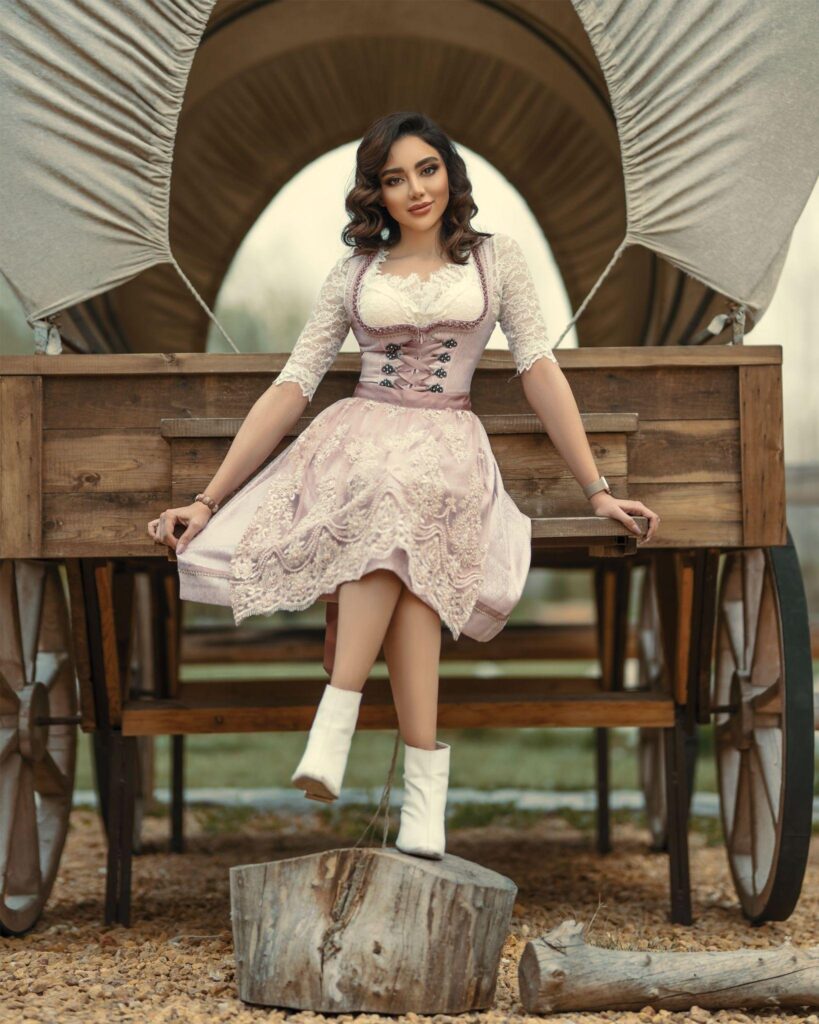
Whether you are attending Oktoberfest for the first time or returning as a seasoned festival-goer, choosing the right traditional Dirndl for women can feel like a significant decision. The Dirndl is one of the most recognizable pieces of traditional German attire, and its construction, with a fitted bodice, full skirt, and decorative apron, is designed to be both flattering and functional.
That said, not every cut, length, or silhouette works equally well for every figure. Understanding how different elements of the garment interact with your body proportions can make the experience of wearing one far more comfortable and confident. This guide walks through the key considerations to help you find a Dirndl that suits your shape and personal style.
Understanding the Basic Structure of a Dirndl
Before selecting a Dirndl dress for women, it helps to understand the three main components that make up the garment:
-
Bodice (Mieder): structured and fitted, it shapes the upper body and defines the waist
-
Skirt (Rock): falls from the waist and varies in length from mini to floor-length
-
Apron (Schürze): tied at the front, serving both a decorative and traditional purpose
-
Blouse (Dirndlbluse): worn underneath the bodice, usually with puffed or lace-trimmed sleeves
Each of these elements can be selected in different proportions. The length of the skirt, the depth of the neckline, the width of the apron, and the cut of the bodice all contribute to the overall silhouette. Knowing which combination works for your figure gives you a strong starting point before you begin browsing styles.
Skirt Length and Its Effect on Proportions
Skirt length is one of the most practical considerations when selecting a traditional Bavarian dress. Here is a simple breakdown:
|
Length |
Best For |
|
Mini to knee-length |
Petite figures — avoids overwhelming a smaller frame |
|
Midi (knee to calf) |
Most versatile — works across many body types and occasions |
|
Maxi / floor-length |
Taller figures — creates a strong vertical line |
It is also worth considering the practical demands of the event itself. At Oktoberfest, where you may be walking, standing, or sitting for extended periods, ease of movement matters as much as appearance. A midi-length folk costume strikes a balance between visual proportion and comfort, which is why it remains a popular choice across all age groups.
Neckline Styles and Bodice Fit
The bodice is the most structured part of the garment, and how it fits will determine much of the overall look. Traditional Dirndls commonly feature:
-
Square neckline: classic and widely flattering
-
Sweetheart neckline: visually elongating, suits a variety of bust sizes
-
Higher necklines: more modest and understated in appearance
A few practical tips on bodice fit:
-
If you are between sizes, size up and adjust if needed: never choose a size that pulls or restricts
-
Look for internal structure such as boning, which supports the upper body and defines the waist
-
Authentic Bavarian garments, such as those available at Bavaria Trachten, are typically crafted to last, making proper fit a worthwhile investment
Colour, Pattern, and Fabric Choices
Beyond cut and silhouette, colour and fabric play a meaningful role in how a Dirndl dress for women looks on the body.
Colour guidelines:
-
Darker shades in the skirt, deep greens, navy, burgundy have a slimming effect and are strongly traditional
-
Lighter or brighter colours work well in the bodice or apron, drawing the eye upward
-
Smaller floral prints suit petite frames; larger prints work better on taller or broader figures
Fabric considerations:
-
Heavier materials (cotton-linen blends, wool) give the skirt more structure and volume
-
Lighter fabrics drape more closely to the body for a softer silhouette
-
Consider the season and level of formality when deciding between the two
Choosing a Dirndl dress That Matches Your Personality
One of the reasons the Dirndl dress remains such a popular choice for Oktoberfest and Bavarian celebrations is its versatility. While the traditional silhouette stays true to its heritage, modern Dirndls are available in a wide range of colours, fabrics, and decorative details to suit different tastes.
Some popular style options include:
-
Classic designs featuring traditional colours, floral patterns, and embroidered details
-
Modern interpretations with cleaner lines, contemporary fabrics, and subtle embellishments
-
Elegant velvet or satin styles suited to evening events and more formal occasions
-
Lightweight cotton Dirndls that offer comfort and breathability during long festival days
When choosing a style, consider not only what flatters your body type but also what feels most authentic to your personal taste. A well-chosen Dirndl should balance traditional Bavarian charm with individual comfort and confidence, allowing you to enjoy the occasion while feeling completely at ease in your outfit.
Conclusion
Finding the right Dirndl dress for women starts with knowing your body shape, selecting a flattering skirt length, ensuring a proper bodice fit, and making thoughtful choices about colour and fabric. For those who prefer a different style, women’s Lederhosen offer a practical alternative rooted in the same Bavarian tradition. Whichever direction you choose, the right Oktoberfest outfit is simply the one that fits well and feels genuinely comfortable to wear.