Organizing an exhibition in Venice involves a set of distinct challenges, particularly during major events such as the Venice Biennale. The city’s historic architecture, network of canals, and longstanding cultural traditions contribute to a remarkable atmosphere but also introduce specific logistical considerations. Whether coordinating a national pavilion, a collateral event, or an independent show, it is important to understand the essential steps involved. This guide outlines key factors including budgeting, permit requirements, and venue selection. Familiarity with local logistics and collaboration with professionals who know the Venetian context can help ensure a successful exhibition in this unique setting.
Understanding the Venetian context
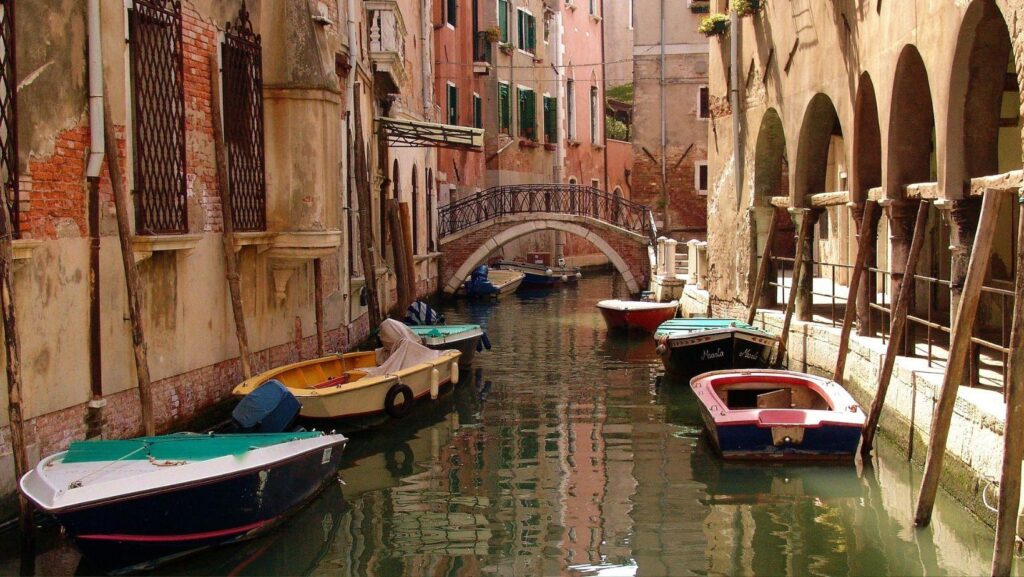
Venice provides a backdrop rich in history and Renaissance art, but its infrastructure presents certain obstacles for exhibition organizers. The city’s architectural legacy draws visitors from around the world; however, narrow walkways, limited road access, and conservation regulations influence how artworks are transported and displayed.
The timing of your exhibition plays a significant role as well. High-profile occasions like the Venice Biennale increase demand for venues, which can lead to higher costs and greater competition for suitable spaces. Local regulations are often complex and should be considered early in the planning process.
Many curators choose to partner with local experts. When organizing an exhibit in Venice, guidance is available on matters ranging from venue selection to securing permits. This collaboration can allow curators to dedicate more attention to the creative aspects of their project.
Steps for successful exhibition planning
Early preparation helps prevent many common challenges. Begin by developing a detailed budget that accounts for venue rental, insurance, transportation, installation costs, and any additional expenses such as temporary staff or permits required for public spaces or large gatherings.
When selecting a venue, consider each location’s unique guidelines and permitted activities. Some sites have structural protections or heritage restrictions that limit what installations are possible. Visiting potential venues in person can help evaluate how works will interact with the space.
Securing the necessary permits is another important task. Venice enforces specific rules concerning artworks on display and materials used within historic buildings. Completing all relevant paperwork in advance can help minimize complications during the installation process.
Applying local expertise in exhibition planning
As your exhibition takes shape, ongoing input from local professionals remains valuable. Venetian partners can coordinate deliveries via canal or adjust schedules around busy festival periods. Their experience helps reduce the risk of logistical delays or regulatory challenges.
Institutions presenting exhibitions during events such as the Biennale commonly engage specialists familiar with Venice’s unique requirements. These professionals assist with aligning creative concepts to local conditions while preserving artistic intent.
For those preparing future exhibitions in Venice, seeking advice from individuals with direct knowledge of the city’s intricacies supports effective planning and compliance. Relying on proven approaches tailored to Venice’s environment provides a strong basis for an exhibition—from opening day through to its conclusion.