
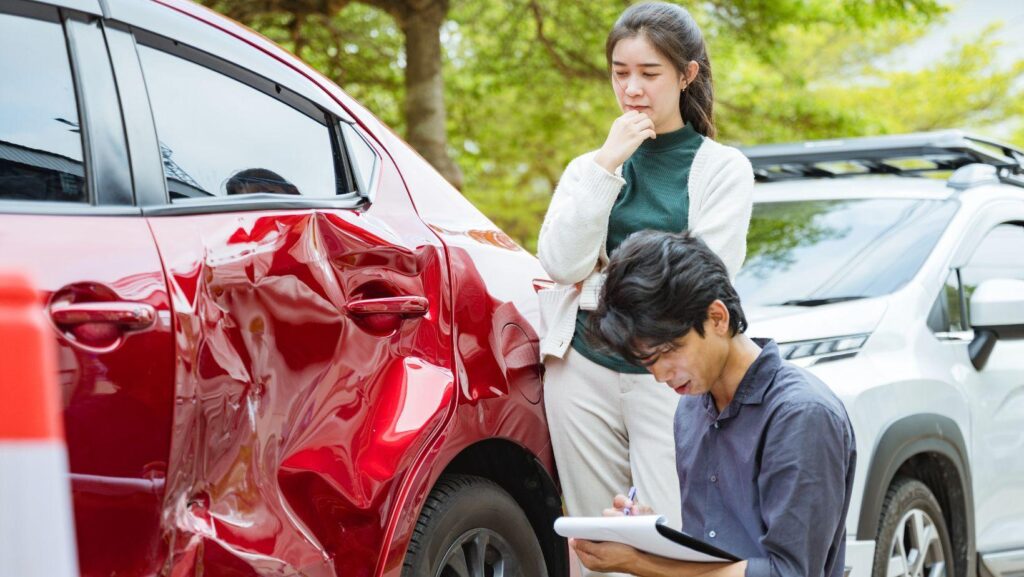
Work-related vehicle accidents are more common than many people think. Delivery drivers, construction workers, sales reps, utility crews, and employees running errands are often on the road for work. When a crash happens during job duties, the claim can become complicated because it may involve both workers’ compensation and a personal injury case.
In many situations, injured workers can pursue both—but only under certain conditions. Workers’ comp can cover medical care and partial wage replacement quickly, while a personal injury claim may provide additional compensation if another driver or third party caused the crash. Knowing when each option applies is key to protecting your health, income, and long-term recovery.
What Counts As A Work-Related Vehicle Accident?
A vehicle accident is considered work-related when it happens while you are performing job duties. This could include driving a company vehicle, using your own vehicle for work errands, traveling between job sites, making deliveries, meeting clients, transporting tools, or completing employer-directed tasks.
However, not every crash during the day counts. If you were commuting to or from work, the accident may not qualify under workers’ comp unless specific exceptions apply. The difference often depends on whether the trip benefited the employer and whether you were acting within your work responsibilities when the collision occurred.
Workers’ Comp Can Apply Even If Someone Else Caused The Crash
Workers’ compensation is typically available for job-related injuries even when the accident was caused by someone outside your workplace. That’s because workers’ comp is a no-fault system. If you were working when the crash happened, workers’ comp may cover medical treatment, temporary disability payments, and other benefits.
This can be extremely helpful early on because it provides immediate access to care and wage support while fault is still being investigated. But workers’ comp benefits are limited and usually do not cover pain and suffering or full future income losses.
The Second Claim: Personal Injury Against The At-Fault Driver
If another driver caused the accident, you may also have a personal injury claim against that driver (and their insurance company). This claim is separate from workers’ comp and is based on negligence. It allows recovery of damages that workers’ comp does not cover, such as pain and suffering, emotional distress, and full lost earning capacity.
This is why work-related vehicle accidents can become more valuable than other workplace injury claims. You may be entitled to both systems of recovery—workers’ comp for immediate benefits and a liability claim for the full impact of your injuries.
When You Can File Both Claims At The Same Time
You can often file both claims when three things are true:
The crash occurred during work duties
You suffered injury
A third party (usually another driver) contributed to the accident
For example, if you were driving between job sites and got rear-ended, you may file a workers’ comp claim and a personal injury claim against the rear driver. If you were making deliveries and another car ran a red light, the same applies. During the middle phase of these dual-claim cases, Grey Law Accident & Injury Lawyers can help coordinate both claims properly, protect your benefits, and pursue full compensation without letting one claim harm the other.
What If You Were Driving A Company Vehicle?
Driving a company vehicle usually strengthens the argument that the crash was work-related. Workers’ comp often applies because you were clearly performing job duties. You may also pursue a personal injury claim if the other driver was at fault.
Company vehicle cases can also involve additional insurance layers. The company may have commercial auto coverage, and the employer may be responsible for vehicle maintenance. If the crash involved mechanical failure, negligent maintenance, or unsafe employer policies, liability may expand beyond the other driver.
What If You Were Using Your Own Car For Work?
Using your personal vehicle does not automatically prevent workers’ comp coverage. If you were running a work errand, delivering supplies, attending meetings, or traveling for work purposes, workers’ comp may still apply.
You may also have coverage through your own auto policy depending on the situation. However, personal auto insurers sometimes dispute claims if the vehicle was being used for business purposes without proper coverage. This makes early documentation and clear reporting especially important in work-related crashes involving personal vehicles.
What If The At-Fault Driver Has Low Insurance Or No Insurance?
Many work-related crash cases become complicated when the at-fault driver has limited coverage. If injuries are serious, their policy may not be enough to cover medical bills, wage loss, and long-term harm. In that situation, underinsured or uninsured motorist coverage may come into play.
Depending on the case, coverage may exist through your personal policy, the employer’s commercial policy, or the company vehicle’s insurance. Workers’ comp may also provide ongoing support. Identifying all insurance sources early is important so you don’t rely on a single limited policy.
Will Workers’ Comp Take Money From The Personal Injury Settlement?
In many cases, yes. Workers’ comp may have a lien, meaning they can seek reimbursement from your personal injury recovery for benefits they paid. This is a normal part of the process and does not mean you shouldn’t pursue both claims.
The key is handling both claims strategically so you still receive meaningful compensation beyond workers’ comp. Proper coordination can reduce the chance of unfair reimbursement and help ensure settlement funds reflect your long-term needs.
Steps To Take After A Work-Related Vehicle Crash
To protect both claims, take these steps right away:
Call police and get an official crash report
Seek medical evaluation immediately
Report the crash to your employer as soon as possible
Document injuries and vehicle damage with photos
Gather witness information
Avoid recorded statements without guidance
Keep records of work duties and why you were driving
Track missed work and medical appointments
These steps help prove the crash was job-related and preserve evidence for the negligence claim.
Dual Claims Can Provide Fuller Recovery When Done Correctly
Work-related vehicle accidents are unique because they can qualify for both workers’ compensation and personal injury recovery. Workers’ comp helps cover immediate medical needs and wage support, while a third-party liability claim may provide compensation for pain, suffering, and full long-term losses.
The most important thing is timing and coordination. Filing both claims correctly—and preserving evidence early—can protect your benefits and maximize recovery. When handled properly, work-related crash cases can provide stronger financial support than a workers’ comp claim alone, helping injured workers rebuild after serious roadway injuries.